


Rough Skin Cream Guide: Expert Tips for Smoother Skin 2026
Struggling with rough, bumpy, or uneven skin texture? You’re not alone. As more people search for the perfect rough skin cream heading into 2026, finding real solutions has never been more important. This expert-backed guide brings you science-driven tips, ingredient secrets, and a step-by-step plan to achieve the smoother skin you crave. Inside, discover the root causes of rough skin, must-have ingredients, tips for sensitive skin, safe routines, and how to pick the best toxin-free, fragrance-free creams. Ready to transform your skin? Dive in and unlock your smoothest self.
Understanding Rough Skin: Causes and Common Concerns
Struggling with rough, bumpy, or uneven skin? You’re definitely not alone. Millions search for the right rough skin cream every year, hoping to transform their skin’s texture. But what really causes rough skin, and why is it so common as we approach 2026? Let’s break down the facts, the science, and expert-backed tips to help you take the first step toward smoother skin.
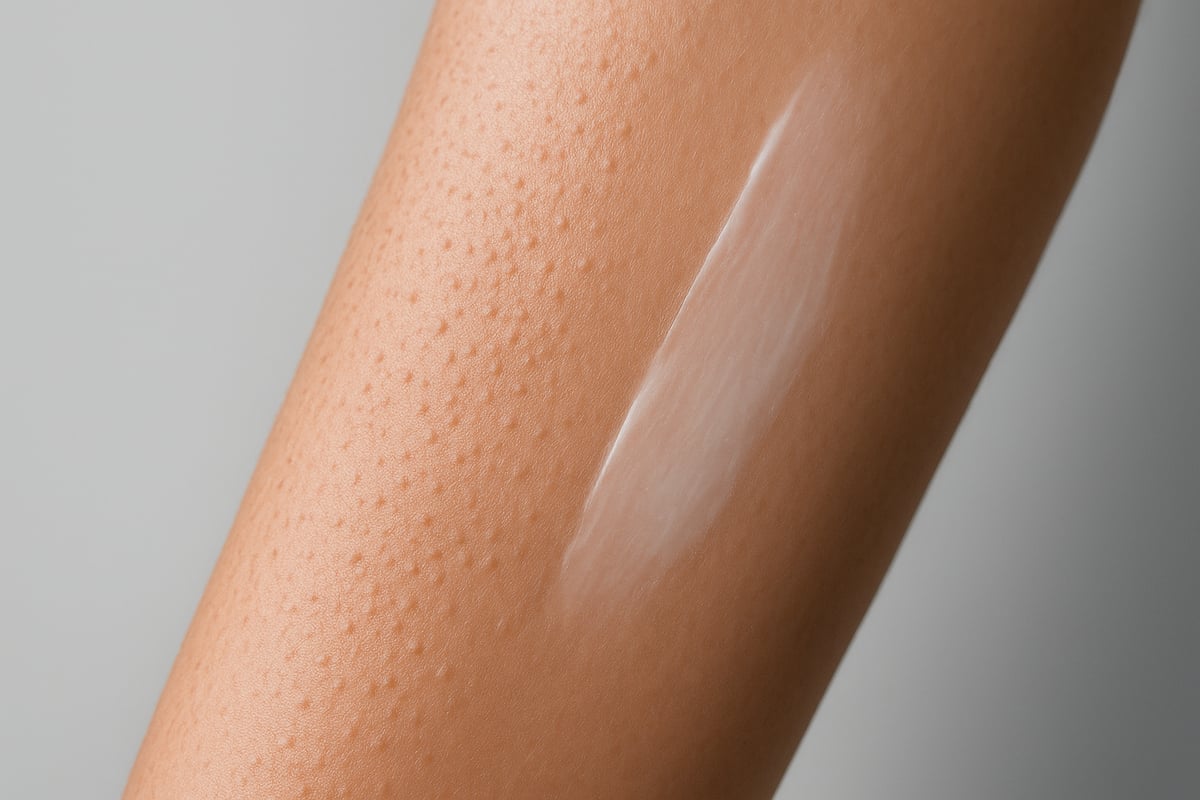
What Is Rough Skin? Signs and Symptoms
Rough skin feels uneven, dry, or bumpy to the touch. It might look dull, flaky, or even scaly, making everyday skincare a challenge. Common signs include:
- Persistent dryness or tightness
- Flakiness or white patches
- Small, raised bumps (think “chicken skin” on arms)
- Thickened, callused areas on hands or feet
- Rough patches that don’t smooth out with regular lotion
For many, rough skin is linked to conditions like eczema, psoriasis, or dermatitis. Another frequent culprit is keratosis pilaris, which causes tiny bumps on the backs of arms or thighs. In fact, up to 40% of adults will experience rough or bumpy skin at some point, according to dermatology studies.
If you want a deep dive into causes and treatment, check out this Mayo Clinic on keratosis pilaris guide for expert-backed insights.
Real-life example: Julia, a college student, noticed her arms grew bumpy and dry every winter. Despite using standard lotion, nothing changed until she switched to a targeted rough skin cream.
Key Causes of Rough Skin
What’s behind the roughness? The answer is often a mix of factors.
| Cause | How it Affects Skin |
|---|---|
| Dry weather | Pulls moisture out, increases flakiness |
| Pollution | Weakens skin barrier, leads to bumps |
| Harsh soaps | Strips natural oils, causes irritation |
| Genetics | Some are simply more prone to rough patches |
| Health conditions | Diabetes or thyroid issues can trigger texture changes |
| Over-exfoliation | Damages barrier, causing more roughness |
| Age | Slower cell turnover, more dryness |
For example, athletes often develop rough feet from friction and sweat. Meanwhile, genetics play a bigger role than many realize—if your parents have rough skin, you might too.
Environmental stressors like wind and cold amplify the need for a specialized rough skin cream. Over-exfoliating with scrubs or acids can backfire, making texture worse instead of better.
Did you know? Studies show that up to 40% of adults will deal with rough or bumpy skin at some point, so finding the right routine is essential.
Why Sensitive Skin Needs Special Care
Sensitive skin brings its own set of challenges when dealing with roughness. It reacts quickly to harsh chemicals, synthetic fragrances, or strong preservatives—common in many mainstream creams.
When choosing a rough skin cream, it’s crucial to look for gentle, toxin-free formulas. Products packed with synthetic ingredients can disrupt the skin’s barrier, leading to redness, stinging, or even allergic reactions.
Real-life tip: Lisa tried a popular exfoliant from the drugstore, only to end up with burning and peeling. Switching to a fragrance-free, plant-based cream calmed her skin and smoothed out the bumps over time.
Tips for sensitive skin:
- Always patch test new creams before full use
- Start with fragrance-free, toxin-free options
- Avoid physical scrubs—opt for gentle acids or enzymes
- Pair exfoliating creams with deep hydration
The benefits of using creams with no synthetic fragrances or harsh chemicals are huge: less irritation, more comfort, and safer results for all ages. Sensitive skin thrives when you choose targeted, clean solutions, making smoother skin possible for everyone.
Expert Insights: Choosing the Right Rough Skin Cream
Choosing the right rough skin cream can feel overwhelming, but knowing what to look for empowers you to achieve real results. With so many formulas promising smooth skin, it’s crucial to focus on ingredients that are proven by experts and safe for sensitive skin.
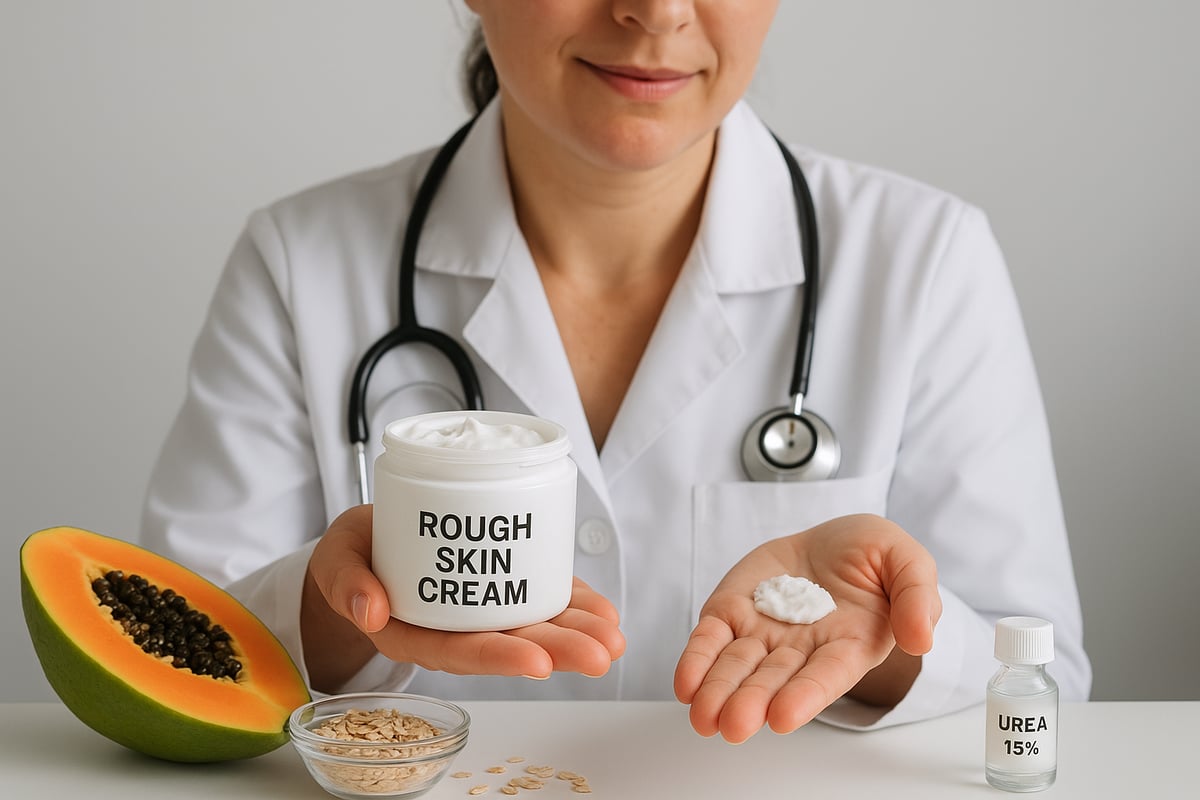
Key Ingredients for Smoother Skin in 2026
The best rough skin cream combines powerhouse ingredients for hydration and gentle exfoliation. Urea (10-15%) stands out for its dual ability to moisturize and slough away dead skin. According to Urea for Smoother, Healthier Skin, this ingredient is dermatologist-trusted for dry, flaky skin and keratosis pilaris.
Other key actives include:
- Glycolic acid (AHA): Boosts cell turnover for smoother texture.
- Salicylic acid (BHA): Targets bumpy skin and unclogs pores.
- Lactic acid: Mild exfoliant that also hydrates.
- Hyaluronic acid: Locks in moisture, plumps skin.
- Niacinamide: Soothes redness, strengthens the skin barrier.
- Proteolytic enzymes (papain, bromelain): Gently exfoliate without irritation.
- Amino acids: Help maintain the skin’s natural moisturizing factor.
Clinical data shows 90% of users report improved texture after consistent use of creams with urea or glycolic acid. Imagine finally running your hand over your arms and feeling only softness.
Ingredients to Avoid for Sensitive or Rough Skin
When shopping for a rough skin cream, always check the label for irritants. Sensitive skin can react strongly to synthetic fragrances, which are a leading cause of irritation. Other ingredients to steer clear of include:
- Parabens
- Sulfates
- Phthalates
- Alcohols and harsh preservatives
Fragrance-free formulas reduce irritation for 80% of sensitive users. If your skin stings or turns red after trying a new product, it could be reacting to one of these culprits. For sensitive skin, a gentle, targeted approach is key—avoid anything that feels harsh or has a strong scent.
Disadvantages of Chemical-Laden Products
Many commercial creams contain chemicals that can do more harm than good. Over time, chemical-laden rough skin cream formulas may cause:
- Sensitization and chronic barrier disruption
- Increased risk of allergic reactions or contact dermatitis
- Build-up of toxins in your skin
A real-life example: a woman with dry, bumpy legs tried a fragranced lotion and developed red, itchy welts. She later discovered her skin was allergic to hidden preservatives.
Benefits of Toxin-Free and Fragrance-Free Creams
Switching to a toxin-free, fragrance-free rough skin cream offers long-term benefits for everyone, especially those with sensitive or allergy-prone skin. These creams:
- Lower the risk of irritation or flare-ups
- Support skin health for conditions like eczema and psoriasis
- Are safer for daily, long-term use and suitable for all ages
For example, a parent noticed their child’s eczema patches softened after switching to a plant-based, fragrance-free formula. Dermatologists frequently recommend these options to protect vulnerable skin and ensure smoother results without unwanted side effects.
Step-by-Step Guide: How to Use Rough Skin Cream for Best Results
Getting real results with rough skin cream starts with a smart, gentle approach. Whether you have sensitive skin, stubborn rough patches, or are new to toxin-free formulas, this guide walks you through each step for a smoother, healthier feel. Ready to transform your skin? Let’s break it down.
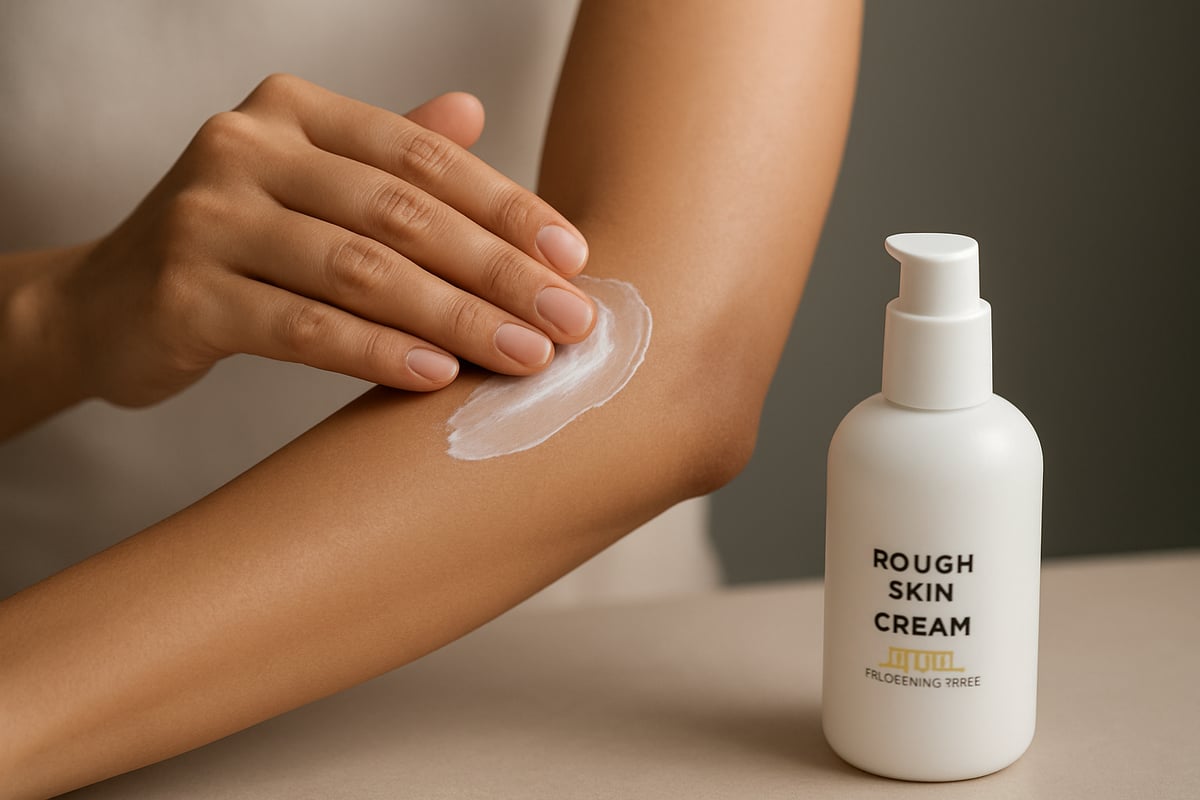
Step 1: Prep and Cleanse
Before applying rough skin cream, always start with a clean canvas. Use lukewarm water to avoid shocking the skin and pick a mild, sulfate-free cleanser that won’t strip away your natural oils.
Gently pat your skin dry with a towel. Rubbing can worsen irritation, especially for sensitive skin types. Imagine you’re prepping a delicate surface—gentle care makes a difference.
Sensitive skin? Skip any scrubbing tools or harsh washcloths. Even a soft cotton cloth is enough. This extra step helps remove sweat, dirt, and pollutants that can block absorption of your rough skin cream.
Here’s a quick sensitive skin tip: double cleanse only if you’re removing sunscreen or heavy creams. Otherwise, one gentle wash is plenty.
Think of this as setting the stage for everything good to follow. Prepping well helps your rough skin cream deliver its full potential.
Step 2: Application Techniques
Now comes the main act. Apply your rough skin cream while skin is still slightly damp for best absorption. For small patches—like elbows, knees, or arms—a pea-sized amount is enough. For larger or tougher areas, such as feet or hands, use a quarter-sized dollop.
Gently massage the cream in circular motions. This boosts blood flow and ensures even coverage. Pay special attention to bumpy spots or calluses.
Want an insider trick? For rough feet, apply the cream before bed, then slip on a pair of clean socks. By morning, you’ll notice a visible difference.
Choosing a product made for rough skin is key. For example, a Urea Body Cream for Rough Skin hydrates deeply and helps exfoliate without irritation. Urea and other gentle acids are especially effective for those with sensitive skin.
Sensitive skin users should always start with a small area. Gradually work up to daily use as your skin adjusts. Remember, less is more to begin with.
Step 3: Layering and Combining with Other Products
To maximize your rough skin cream, timing matters. The ideal moment is right after a shower, when skin is moist and pores are open.
If you use serums or other moisturizers, layer them thoughtfully. Apply rough skin cream first to target texture, then follow with a gentle, fragrance-free moisturizer to lock in hydration.
Don’t rush. Allow each layer to fully absorb before adding the next. This prevents pilling and maximizes the effect of every product.
Pairing a urea cream with a hyaluronic acid serum can deliver extra plumping and hydration. Sensitive skin? Choose serums with minimal ingredients and no synthetic fragrances for best results.
Avoid mixing too many actives at once. Overdoing acids or exfoliants can backfire, leading to redness or stinging. Stick to one new product at a time.
Layering with care means your rough skin cream works smarter, not harder.
Step 4: Monitoring Progress and Adjusting Routine
Results take time, but tracking your journey helps you stay motivated. Most people see smoother skin in two to four weeks of regular rough skin cream use.
Look for signs of improvement: less flaking, softer feel, and fewer bumps. If your skin feels tender, ease up on frequency. Sensitive skin often needs a gradual approach, especially with exfoliating acids.
If you’re not seeing results, try increasing use to twice daily, or switch to a formula with higher urea or glycolic acid content. Remember, toxin-free and fragrance-free creams are less likely to cause setbacks.
Real-life example: One user with keratosis pilaris saw major improvement after introducing glycolic acid slowly, starting twice a week and building up.
Keep a simple log or snap weekly photos. Adjust as needed. Consistency is key, but flexibility ensures your rough skin cream routine remains safe and effective.
Step 5: When to Seek Professional Advice
Sometimes, home routines aren’t enough. If your rough skin persists despite consistent use, or you notice signs of infection, bleeding, or severe irritation, it’s time to check in with a dermatologist.
Underlying issues like eczema, psoriasis, or diabetes may require prescription treatments. Don’t ignore persistent redness or cracking, especially if over-the-counter rough skin cream isn’t helping.
Sensitive skin can react unexpectedly. If you experience swelling, burning, or a rash, stop use immediately and consult a healthcare provider.
Statistically, one in five rough skin cases has a medical cause. Early intervention means better results and less frustration.
Remember, the right rough skin cream is just one part of the journey. When in doubt, expert guidance ensures your skin stays healthy, comfortable, and smooth.
Tips for Sensitive Skin: Achieving Smoother Texture Safely
If you have sensitive skin, achieving a smoother texture can feel like a delicate balancing act. The right rough skin cream can make all the difference, but it’s important to use it safely and thoughtfully. Let’s break down the best tips and real-life strategies for getting the most out of your routine while keeping irritation at bay.
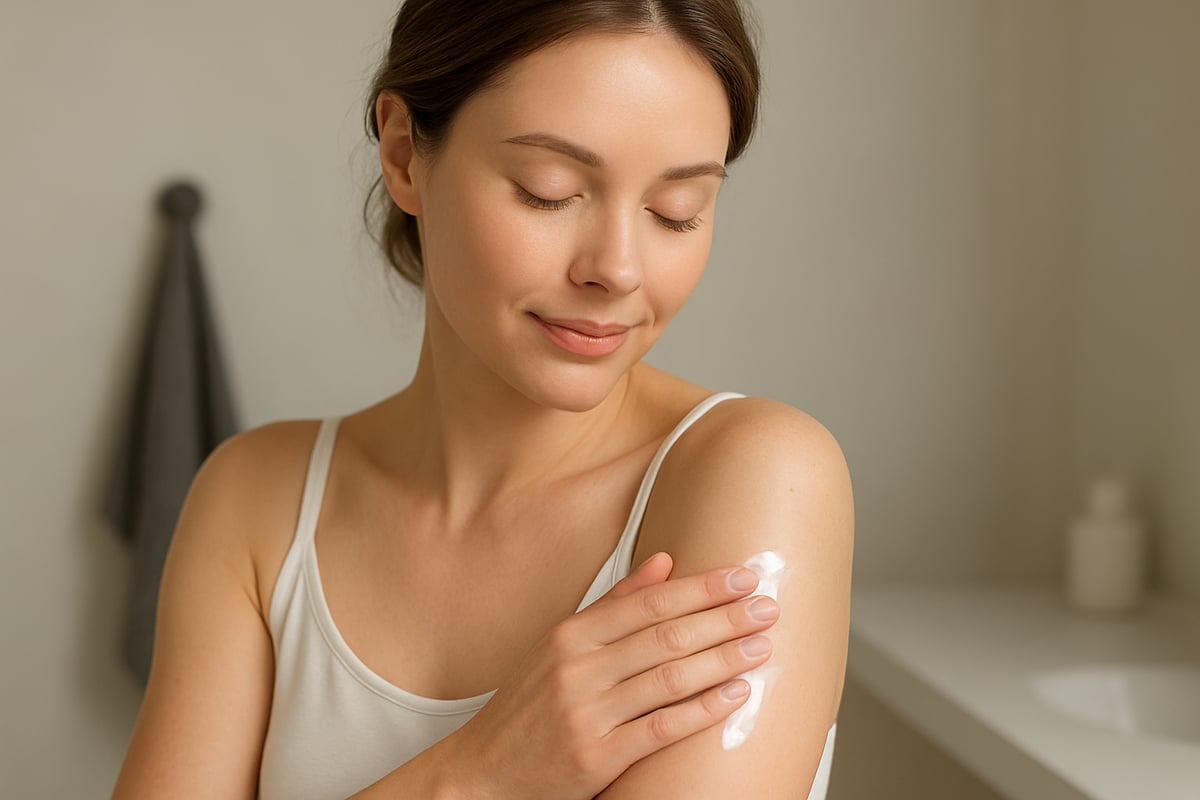
Patch Testing and Gradual Introduction
Before using any new rough skin cream, always start with a patch test. Apply a small amount to the inner arm or behind your ear, then wait 24 hours to check for redness, itching, or stinging. Sensitive skin often reacts unpredictably, so this simple step can save you from a full-blown flare-up.
Not sure how to patch test? Follow these How to Test for Allergic Reactions guidelines for peace of mind. Begin with once-daily application of your rough skin cream, then gradually increase as tolerated. Many sensitive users find that introducing glycolic or urea creams slowly over one week helps their skin adjust.
Gentle Exfoliation Without Irritation
Skip gritty scrubs and choose rough skin cream formulas with mild acids or natural enzymes for gentle exfoliation. Creams with lactic acid or papain can smooth texture without causing micro-tears or burning. Use a soft washcloth, not abrasive tools, to remove flakes.
A real-life example: One reader with keratosis pilaris switched from a harsh scrub to a chemical exfoliant rough skin cream and saw dramatic improvement in bumps within weeks. Gentle methods protect your barrier, so sensitive skin stays calm and happy.
Hydration Is Key
Pair your exfoliating rough skin cream with a rich, fragrance-free moisturizer for best results. Hydration helps soothe irritation and supports the skin’s natural repair processes. Look for creams with hyaluronic acid, ceramides, or plant-based oils.
Don’t forget to drink plenty of water throughout the day. Sensitive skin thrives when hydrated from the inside and out. One reader found her skin transformed after adding a hyaluronic acid booster to her routine, making her rough skin cream work even better.
Avoiding Triggers and Irritants
Sensitive skin is especially prone to reacting to alcohol, dyes, and synthetic fragrances. Always check the ingredient list on your rough skin cream and stick to toxin-free options. Chemical-laden products can cause redness, stinging, and long-term barrier damage.
For many, swapping to a fragrance-free formula led to fewer flare-ups and softer skin. A parent shared that eliminating fragranced body wash and switching to a toxin-free rough skin cream helped reduce their child’s eczema patches significantly.
Sun Protection for Sensitive, Exfoliated Skin
After using a rough skin cream, your skin may be more sun-sensitive. Always finish your routine with a mineral sunscreen, especially if your cream contains exfoliating acids. Reapply after swimming or sweating.
Did you know that up to 70% of rough skin relapses are linked to sun exposure? Protecting your newly smoothed skin is essential for long-lasting results and to avoid setbacks.
Real-Life Success Stories and Examples
Seeing real improvement with rough skin cream is possible, and countless users have experienced remarkable transformations. Let’s explore their stories and the lessons they offer.
Keratosis Pilaris: Smoother Arms in Weeks
One user struggled with “chicken skin” bumps on their arms for years. By using a rough skin cream containing urea and glycolic acid and following keratosis pilaris treatment guidelines, they noticed softer, less bumpy skin within four weeks. Consistency was key, and gentle application prevented irritation.
Cracked Heels Rescued by Overnight Routine
An avid athlete suffered from rough, cracked heels due to constant friction and sweat. Applying rough skin cream nightly, then covering feet with socks, led to visibly smoother, healthier soles in just two weeks. This simple step-by-step routine helped retain moisture and speed up repair.
Sensitive Skin Finds Relief with Toxin-Free Care
One reader with sensitive, redness-prone skin reacted to drugstore products filled with synthetic fragrances. Switching to a toxin-free, fragrance-free rough skin cream calmed their skin, reducing redness and bumps within days. This experience highlights the benefits of avoiding harsh chemicals and synthetic scents.
Gentle Solutions for Children’s Eczema
A parent shared how their child’s eczema patches softened after using a plant-based, fragrance-free rough skin cream. The child’s skin became less itchy and visibly smoother, proving clean formulas can be safe and effective for all ages.
Tips for Sensitive Skin When Using Rough Skin Cream
- Always patch test before full application.
- Start with once daily, increasing gradually.
- Pair rough skin cream with a fragrance-free moisturizer for hydration.
- Protect skin with mineral SPF after exfoliation.
Step-by-Step Guide for Best Results
- Cleanse skin gently with lukewarm water.
- Pat dry, avoiding rubbing.
- Apply rough skin cream to rough patches in circular motions.
- Cover feet or hands with cotton overnight for deep repair.
- Reassess skin after two weeks and adjust frequency if needed.
Mistakes to Avoid with Rough Skin Cream
- Overusing harsh exfoliants can worsen irritation.
- Skipping patch tests may lead to allergic reactions.
- Not applying sunscreen after exfoliation increases risk of dark spots.
Why Toxin-Free and Fragrance-Free Creams Matter
Toxin-free rough skin cream reduces the risk of flare-ups, making it ideal for sensitive or allergy-prone skin. Avoiding synthetic fragrances means less redness and discomfort, while plant-based ingredients nourish and protect. Chemical-laden creams can cause long-term sensitivity, so choosing clean formulas is a safer, healthier choice.
With these real-life stories and tips, you can confidently select and use rough skin cream to achieve smoother, healthier skin—safely and effectively.
Toxin-Free Skincare: Why It Matters for Rough and Sensitive Skin
Are you searching for a rough skin cream that won’t leave your skin red, itchy, or more irritated than before? If you have sensitive or rough skin, the ingredients inside your cream matter just as much as the results you want to see. As more people seek smoother skin, understanding the dangers of toxins and the benefits of clean, fragrance-free formulas is more important than ever.
Dangers of Common Toxins and Synthetic Fragrances
Many mainstream creams contain hidden chemicals that can worsen rough skin. Parabens, phthalates, and formaldehyde releasers are frequent culprits. Synthetic fragrances, often labeled vaguely, are a leading cause of allergic reactions and can disrupt the skin barrier. In fact, studies show that 60% of sensitive skin reactions are traced to fragrance.
A real-life example: One user with sensitive hands noticed that every time she used a fragranced rough skin cream, her skin became red and itchy within hours. Switching to a fragrance-free formula brought immediate relief. To learn more about what to avoid, check out this helpful list of Ingredients to Avoid with Sensitive Skin.
Long-Term Benefits of Clean, Plant-Based Formulas
Choosing a toxin-free rough skin cream isn’t just about avoiding irritation today—it’s about protecting your skin for years to come. Clean, plant-based formulas mean less cumulative inflammation and a lower risk of developing chronic skin issues. These creams are gentle enough for children, adults, and anyone with allergies.
Consider this: A parent used a plant-based urea cream on their child’s eczema patches and saw them soften within days, without any stinging or redness. Over time, the whole family benefited from a simpler, safer skincare routine.
How to Identify Truly Clean Skincare
Not all products labeled “natural” or “gentle” are created equal. When choosing a rough skin cream, look for:
- COSMOS or similar certifications
- Full ingredient transparency
- Vegan, cruelty-free, allergen-free labels
- No vague terms like “natural fragrance”
A great tip is to always check the full ingredient list, not just the front-of-pack claims. If you’re unsure, start with a patch test behind your ear or on your inner arm, especially if your skin is sensitive.
Benefits of No Synthetic Fragrances
Fragrance-free rough skin cream is a game changer for anyone with sensitivity, eczema, or allergies. Without synthetic scents, there’s a much lower risk of redness, burning, or delayed reactions. Dermatologists regularly recommend fragrance-free creams for people with rough or sensitive skin.
For example, one person with chronic eczema switched to a fragrance-free cream and saw flare-ups decrease by half within a month. This simple change made daily skincare safer and more effective.
Frequently Asked Questions About Rough Skin Creams
Curious about rough skin cream and how to get the most from it? You’re not alone. Whether you’re dealing with stubborn bumps, dryness, or sensitive skin, knowing the facts can make your journey to smoother skin much easier. Here, we tackle the most common questions, share expert tips, and offer real-life advice for every skin type.
How long does it take to see results?
Most people notice smoother skin after using rough skin cream for 2 to 4 weeks. If you’re treating conditions like keratosis pilaris, patience is key. Consistent use is the secret. Severity, product strength, and your skin’s sensitivity all play a role in how fast you’ll see results.
For more detailed guidance on managing bumpy skin, check out these keratosis pilaris self-care strategies. Remember to patch test first, especially if you have sensitive skin or are trying a new formula.
Can I use rough skin cream on my face?
Most rough skin creams are formulated for the body, but some gentle, toxin-free options are safe for facial use. Always read the label and start with a patch test, especially if the cream contains acids like glycolic or urea.
Sensitive facial skin benefits from fragrance-free and plant-based creams. If irritation occurs, stop and consult a dermatologist. Try applying a thin layer at night, and pair it with a hydrating, non-comedogenic moisturizer for best results.
Is it safe for children or during pregnancy?
Toxin-free, fragrance-free rough skin cream is generally safer for both children and expectant mothers. Still, it’s wise to check ingredients and get advice from a healthcare provider.
Look for creams with plant-based urea or hyaluronic acid. Avoid products with parabens, phthalates, or synthetic fragrances, as these can trigger irritation. For children, use a small amount and monitor for any reaction.
What if my skin gets worse?
If your skin becomes red, itchy, or inflamed after starting a rough skin cream, stop using it right away. Overuse or allergies are common culprits. Sensitive skin types should introduce new products slowly, starting with every other day.
If symptoms persist, consult a dermatologist. Signs like infection, bleeding, or severe irritation need professional care. Remember, less is more with exfoliating ingredients on delicate or reactive skin.
How do I maintain results?
To keep your skin smooth, continue using rough skin cream as part of your daily routine. Hydration is essential, so pair your cream with a fragrance-free moisturizer. Always apply sunscreen after exfoliating, since skin becomes more sun-sensitive.
Adjust your routine with the seasons. In winter, increase moisturizing and reduce exfoliation. In summer, focus on sun protection. Avoid harsh soaps and wear loose clothing to reduce friction on rough patches.
Are natural/plant-based creams as effective?
Yes, clinical studies show that natural rough skin cream with urea, glycolic acid, and hyaluronic acid from plant sources works just as well as synthetic versions. These creams offer the added benefit of fewer allergens and no synthetic fragrances.
Plant-based options are ideal for sensitive skin, eczema, and allergy-prone users. Dermatologists often recommend fragrance-free formulas for safer, long-term use. Choosing clean, toxin-free skincare supports healthier skin for all ages.
You’ve made it this far because you care about your skin—and trust me, taking steps toward smoother, healthier skin is totally worth it. After breaking down the causes, smart ingredient choices, and safe routines for sensitive skin, maybe you’re wondering, “Where can I actually find clean, gentle creams that fit these expert tips?” I get it—navigating endless options can feel overwhelming. If you’re ready to put this knowledge into action and want toxin free, fragrance free formulas made for sensitive skin, take a peek at Discover Good Intent. Your skin will thank you for making the switch!


