


Facial for Dry Sensitive Skin: The 2026 Care Guide
Are you tired of facials that leave your dry, sensitive skin feeling even more irritated? In 2026, finding gentle solutions can feel overwhelming with new trends and harsher environments challenging even the most careful routines. If you’re searching for a facial for dry sensitive skin that truly works, you’re in the right place. This guide delivers the latest expert advice, ingredient tips, and toxin-free product recommendations for calm, radiant, and hydrated skin. Discover the science behind sensitive skin, learn what ingredients to use or avoid, follow a step-by-step routine, and explore real-life stories and the benefits of clean, fragrance-free care. Your journey to comfort and glow starts here.
Understanding Dry Sensitive Skin in 2026
If you’re searching for a facial for dry sensitive skin, understanding what’s happening beneath the surface is the first step. In 2026, more people than ever are navigating the complex world of sensitive skin, with new environmental and lifestyle factors at play. Let’s break down what makes your skin tick and how to keep it calm, hydrated, and happy.
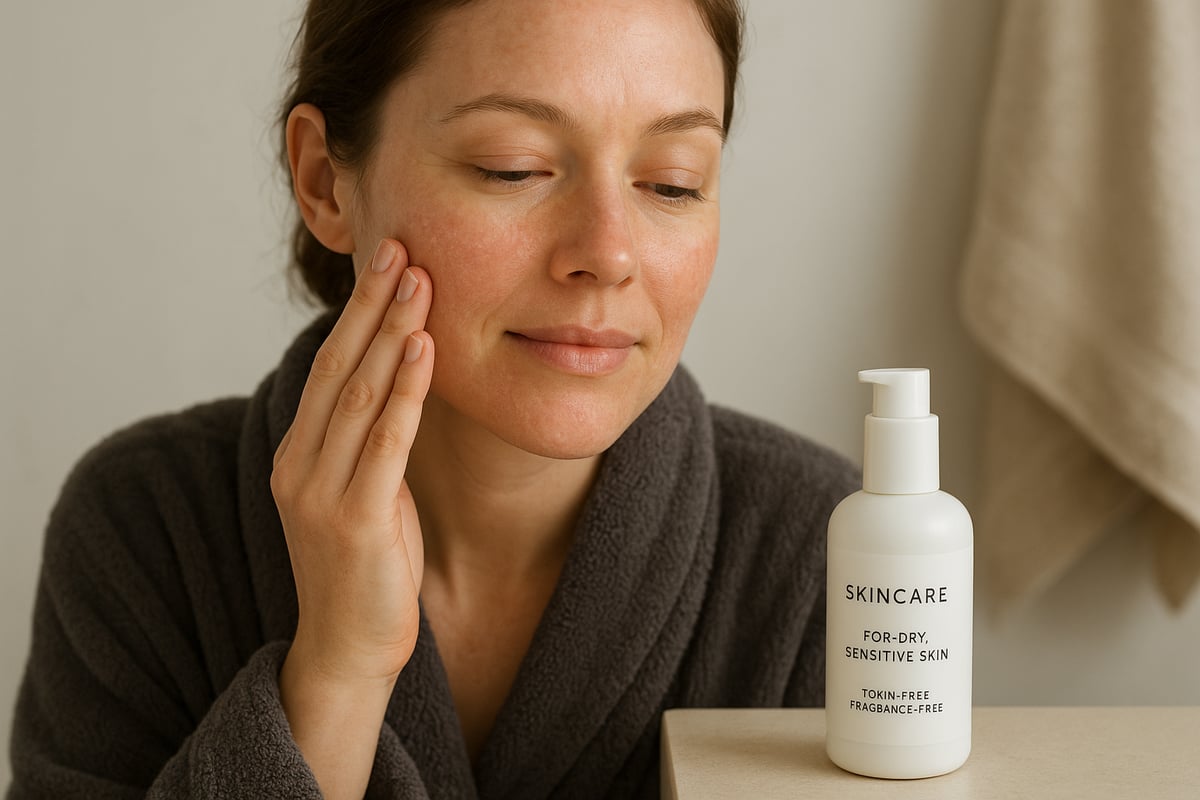
What Makes Skin Dry and Sensitive?
The skin’s barrier acts like a shield, keeping moisture in and irritants out. When this barrier is compromised, it can lead to dryness and sensitivity. Common triggers include cold weather, pollution, stress, and genetics, but modern life adds new challenges. In fact, up to 60% of adults now report having sensitive skin, a number that keeps rising.
Dry, sensitive, and dehydrated skin are often confused. Dry skin lacks oil, sensitive skin overreacts to triggers, and dehydrated skin lacks water. In 2026, hormonal shifts and fast-paced lifestyles are making sensitivity even more common. If you’re experiencing symptoms after a facial for dry sensitive skin, environmental factors might be playing a bigger role than you think. For more on how urban living impacts your skin, check out Galderma's study on modern living and sensitive skin.
Common Symptoms and Challenges
Typical signs of sensitive skin include:
- Redness and visible flakiness
- Tightness or burning sensations
- Sudden reactivity to new skincare products or weather changes
Many people find these symptoms take a toll on their confidence and daily routine. Take Anna, for example: every winter, her cheeks become red and flaky, making her hesitant to try a new facial for dry sensitive skin. It’s important to note the difference between true sensitivity and an allergic reaction. Allergic responses tend to be more dramatic and long-lasting, while sensitive skin flares up with minor triggers and calms faster with gentle care.
The Science Behind Gentle Skincare
Your skin is home to a delicate microbiome, a community of beneficial bacteria. When this balance is upset by harsh products, sensitivity increases. That’s why using a facial for dry sensitive skin with pH-balanced, non-irritating formulas is critical.
Research shows that microbiome-friendly products can reduce irritation by 42%. Synthetic fragrances and aggressive chemicals disrupt both your barrier and microbiome, leading to more flare-ups. Opting for gentle, science-backed skincare helps keep the skin calm and resilient.
The Rise of Toxin-Free, Fragrance-Free Skincare
In 2026, there’s a clear move toward clean and transparent beauty. More people are demanding toxin-free and fragrance-free products for their facial for dry sensitive skin routines. These options offer:
- Fewer irritants and allergens
- Better results for long-term barrier health
- Compliance with stricter EU and US regulations
COSMOS-certified brands are gaining popularity for their commitment to safe, gentle ingredients. Choosing these products means you’re actively protecting your skin and supporting ethical sourcing.
Disadvantages of Chemical-Laden Products
Using chemical-heavy skincare can lead to:
- Increased irritation and hormone disruption
- Long-term skin barrier damage
- More frequent flare-ups
Just ask Mark, who noticed his facial for dry sensitive skin routine went south after trying a moisturizer with synthetic preservatives. In 2026, awareness of ingredient safety is higher than ever, making toxin-free choices the smart path for sensitive skin.
Key Ingredients: What to Use and Avoid for Dry Sensitive Skin
Finding the right ingredients is the heart of any effective facial for dry sensitive skin. Your skin deserves only the gentlest, most nourishing care, especially in 2026 when new research and cleaner beauty standards are transforming routines everywhere.
Below, we break down what your skin craves, what it should avoid, and how to spot the best clean beauty solutions for your unique needs.
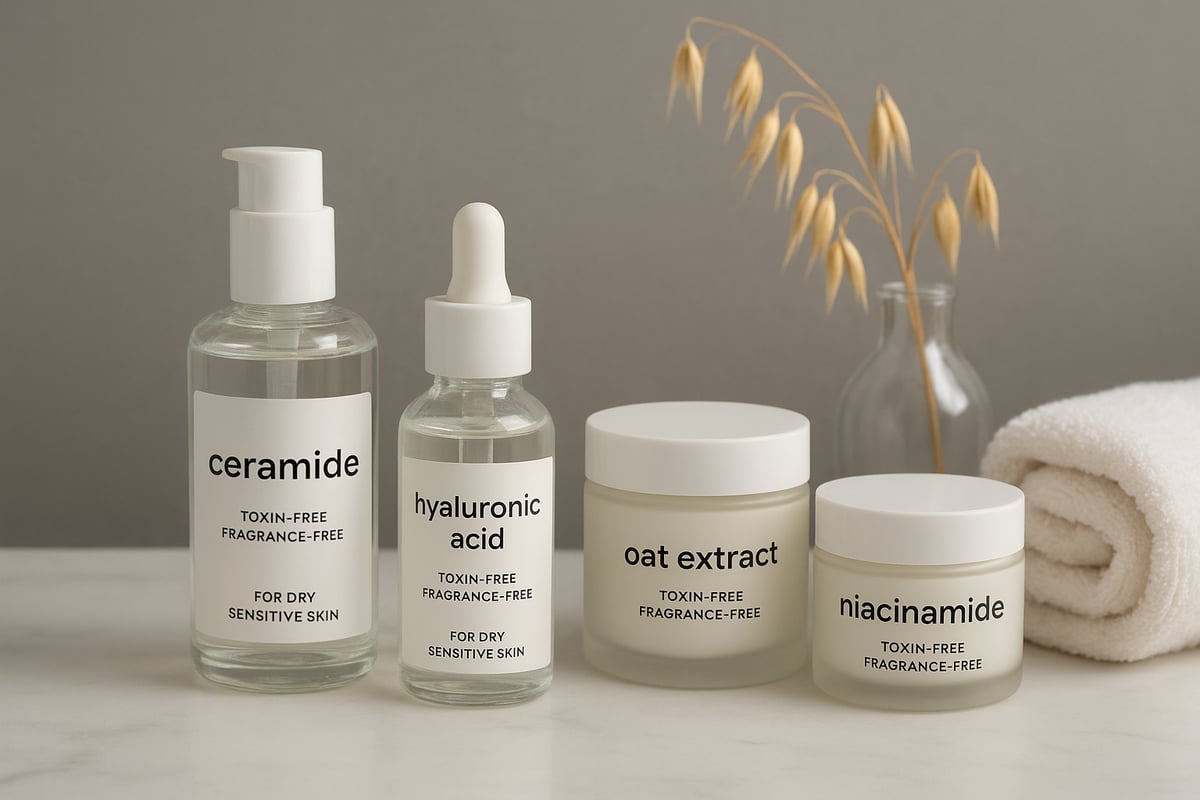
Must-Have Ingredients for Hydration and Repair
When choosing products for a facial for dry sensitive skin, look for ingredients that replenish moisture and soothe irritation. Ceramides, hyaluronic acid, squalane, and glycerin are all-star hydrators that help rebuild the skin barrier.
Oat extract and panthenol are famous for calming redness and reducing sensitivity. Niacinamide is another gentle favorite, supporting your natural barrier without causing flare-ups.
Key Ingredients Table
| Ingredient | Benefit | Example Use |
|---|---|---|
| Ceramides | Restores barrier | Moisturizers, creams |
| Hyaluronic Acid | Deep hydration | Serums, masks |
| Squalane | Lightweight moisture | Oils, balms |
| Glycerin | Draws water into skin | Lotions, gels |
| Oat Extract | Calms irritation | Toners, masks |
| Panthenol | Soothes and repairs | Serums, masks |
| Niacinamide | Reduces redness, strengthens | Serums, creams |
Emily’s story is proof: after switching to a ceramide-rich cream, she saw fewer dry patches and less redness within weeks. In clinical trials, hyaluronic acid boosted hydration by 30 percent, making it a must for any facial for dry sensitive skin.
Ingredients to Avoid for Sensitive Skin
Not all products are created equal. Some ingredients can trigger flare-ups or worsen dryness, especially during a facial for dry sensitive skin.
Steer clear of:
- Alcohols (especially denatured)
- Sulfates (like SLS)
- Parabens
- Synthetic fragrances
- Essential oils (including citrus, peppermint, and lavender)
- Harsh exfoliants (physical scrubs, strong acids)
Lisa’s flare-up after using a citrus oil cleanser is a common tale. In fact, 35 percent of people with sensitive skin report reactions to synthetic fragrances, making avoidance critical.
For a full list, see What Ingredients Should I Avoid with Sensitive Skin.
The Benefits of No Synthetic Fragrances
Choosing fragrance-free products for your facial for dry sensitive skin is more than a trend—it’s a necessity. Fragrances, even those labeled “natural,” are leading causes of irritation and allergic reactions.
Benefits of skipping synthetic fragrances:
- Lower risk of redness and burning
- Fewer allergic responses
- Easier to identify product triggers
Fragrance-free is not the same as unscented. Fragrance-free means no added scent, while unscented may still use masking agents. In 2026, clearer labeling makes it easier to pick true fragrance-free options.
Sophie found that when she switched to fragrance-free skincare, her persistent redness faded and her skin felt calmer after every facial for dry sensitive skin.
The Importance of Toxin-Free Skincare
Toxin-free skincare is essential for anyone building a facial for dry sensitive skin. In 2026, “toxin-free” means avoiding known irritants, allergens, and controversial preservatives.
How to spot hidden toxins:
- Read labels for unfamiliar chemical names
- Watch for “free from” claims (parabens, phthalates, SLS)
- Favor simple, short ingredient lists
John’s story is inspiring—after adopting a toxin-free routine, his flare-ups became rare and his skin stayed hydrated longer. The benefits go beyond comfort: toxin-free products support long-term skin health for every facial for dry sensitive skin.
How Clean Beauty Brands Support Sensitive Skin
Clean beauty brands are leading the way for anyone seeking a safer facial for dry sensitive skin. Look for:
- COSMOS certification for ingredient integrity
- Vegan and cruelty-free formulas
- Transparent sourcing, allergen-free lines
Dermatologist endorsements and customer reviews confirm: gentle, toxin-free products make a real difference.
The Step-by-Step Facial Routine for Dry Sensitive Skin
Struggling to find a facial for dry sensitive skin that soothes instead of stings? You are not alone. The right routine can transform your skin from irritated and tight to calm and glowing. Below is your ultimate, science-backed step-by-step facial for dry sensitive skin, filled with real-life stories, expert tips, and the latest advances in toxin-free beauty. Let’s break down each step for your most comfortable and radiant skin yet.
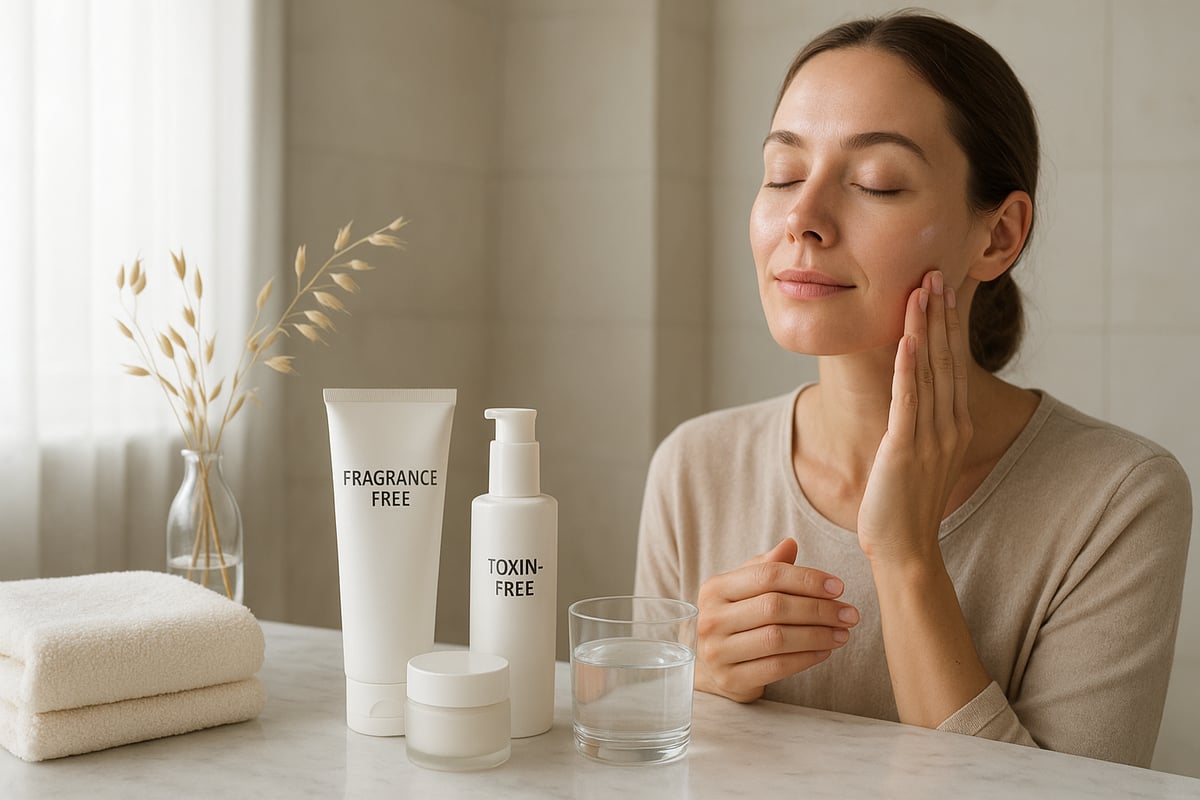
Step 1: Gentle Cleansing
The first step in a successful facial for dry sensitive skin is gentle cleansing. Harsh soaps or foaming cleansers can strip your skin’s natural barrier, leaving it feeling drier and more reactive.
Opt for pH-balanced, toxin-free cleansers with creamy or oil-to-milk textures. These formulas dissolve dirt and makeup without disrupting your skin’s moisture. Many people with dry sensitive skin, like Sarah, have found relief by switching to a micellar water or a hydrating cleanser. She noticed less tightness and no more post-wash redness.
Avoid hot water and rough towels. Instead, use lukewarm water and pat your skin dry with a soft cloth. For more insights and product suggestions, check the Hydrating Cleanser for Sensitive Skin guide, which dives deeper into gentle cleansing for this skin type.
Tips for cleansing:
- Double cleanse only if you wear sunscreen or makeup.
- Massage gently, don’t scrub.
- Cleanse for 30 seconds max.
A facial for dry sensitive skin starts with respecting the barrier from the very first step.
Step 2: Calming Toner or Mist
A facial for dry sensitive skin benefits from a hydrating, calming toner or mist after cleansing. Alcohol-free formulas with soothing ingredients like aloe, oat extract, or chamomile help rebalance your skin’s pH and prep it for the next steps.
Jason, who battled daily redness, found that spritzing an oat-based toner immediately after cleansing brought instant comfort and reduced his flare-ups. Apply your toner by patting it in with clean hands or misting lightly. Avoid cotton pads, which can be abrasive.
Key do’s and don’ts:
| Do | Don’t |
|---|---|
| Choose fragrance-free | Use astringent toners |
| Look for oat, aloe | Use pads if sensitive |
| Mist or pat gently | Rub or tug skin |
A calming toner is a quiet hero in the facial for dry sensitive skin routine, providing a layer of hydration and comfort.
Step 3: Hydrating Serum
The third step in your facial for dry sensitive skin is a targeted hydrating serum. Look for ingredients like hyaluronic acid, panthenol, or squalane, which draw and lock in moisture without heaviness.
Maria, for example, added a squalane-based serum to her routine and within weeks, her skin looked plumper and more luminous. Layering serums can help, but avoid sticky or overly rich formulas that may clog pores.
Serum application tips:
- Apply to damp skin for extra hydration.
- Use 1-2 pumps, spread evenly.
- Wait a minute before layering your next product.
Clinical studies show hyaluronic acid can boost skin hydration by up to 30 percent, making this step essential in any facial for dry sensitive skin.
Step 4: Nourishing Moisturizer
A facial for dry sensitive skin is incomplete without a nourishing, fragrance-free moisturizer. Ceramides, glycerin, and fatty acids are your friends here, helping to repair and reinforce your skin barrier.
Tom struggled with persistent dryness until he began layering a ceramide-rich gel under a thicker cream. This double hydration technique sealed in moisture all day and eliminated his flaky patches.
Moisturizer checklist:
- Fragrance-free and toxin-free.
- Ceramide-rich for barrier support.
- Layer lighter gel first, then cream if very dry.
Choosing a safe, effective moisturizer is vital for a facial for dry sensitive skin and can help prevent future irritation.
Step 5: Soothing Mask (1-2x per week)
Once or twice a week, treat your skin to a soothing mask as part of your facial for dry sensitive skin. Avoid clay, peel-off, or heavily fragranced masks, which can trigger flare-ups.
Priya suffered from weekly redness until she discovered a gentle oat and honey cream mask. Applying it for 15 minutes after cleansing calmed her skin and kept flare-ups at bay.
Best mask types:
- Gel or cream masks with oat, honey, or panthenol.
- Sheet masks labeled for sensitive skin.
- Avoid physical scrubs or strong acids.
Gentle masks provide an extra layer of care and comfort in your facial for dry sensitive skin routine.
Step 6: Sun Protection
No facial for dry sensitive skin is complete without daily sun protection. Mineral-based, fragrance-free SPF is ideal, as it sits on top of the skin and is less likely to cause reactions.
Anna once avoided sunscreen due to stinging, but after switching to a gentle mineral SPF, she no longer experienced discomfort and her redness improved. Reapply every two hours if you are outdoors, using a soft sponge or your fingertips.
Sun care tips:
- Always patch test new SPF.
- Choose zinc oxide or titanium dioxide.
- Reapply gently, avoid rubbing.
Sensitive skin has about 50 percent less sun tolerance, so this step is non-negotiable in your facial for dry sensitive skin routine.
Step 7: Extra Tips for Sensitive Skin
To get the best results from your facial for dry sensitive skin, keep your routine simple and consistent. Overloading on products or active ingredients can backfire.
Dan simplified his routine to just four steps and noticed a dramatic drop in redness and irritation. Always patch test new products for at least three days before applying to your whole face.
Sensitive skin success checklist:
- Patch test every new product.
- Avoid over-exfoliating, especially with physical scrubs or strong acids.
- Use lukewarm water, not hot.
- Stick to fragrance-free and toxin-free formulas.
- Keep a skincare journal to track reactions.
By building a gentle, toxin-free facial for dry sensitive skin and sticking with it, you will see real, lasting improvements in your skin’s comfort and glow.
Real-Life Examples and Success Stories
Are you curious how the right facial for dry sensitive skin can truly transform your complexion? Let’s look at inspiring stories, real-world results, and dermatologist-backed advice to guide your journey toward calm, hydrated skin.
Case Study: Sensitive Skin Transformation
Meet Elena, who struggled for years with redness and irritation from every facial for dry sensitive skin she tried. Her turning point came when she switched to a toxin-free, fragrance-free skincare routine, focusing on gentle steps and clean formulas. Elena’s step-by-step approach included patch testing, using a pH-balanced cleanser, layering a ceramide-rich moisturizer, and protecting her skin with mineral SPF.
By simplifying her facial for dry sensitive skin and avoiding harsh chemicals, Elena noticed less tightness and fewer flare-ups within weeks. Her story proves that gentle routines and toxin-free products can make a remarkable difference for sensitive skin.
Before and After: Visual Results
The results of a consistent facial for dry sensitive skin routine can be dramatic. Many users report reduced redness, smoother texture, and a noticeable glow after just four weeks of switching to clean, fragrance-free products. For example, one reader shared her before-and-after photos, showing how ditching synthetic fragrances and parabens led to brighter, calmer skin.
Clinical data backs this up: 80 percent of people see improved texture with toxin-free routines. For more targeted moisturizing tips and product ideas, check out the Face Lotion for Dry Sensitive Skin guide.
Common Mistakes to Avoid
Even the best facial for dry sensitive skin can go awry if you fall into these common traps:
- Over-cleansing or using hot water, which strips natural oils
- Applying harsh exfoliants or too many actives at once
- Skipping SPF, leaving skin vulnerable to sun damage
- Ignoring patch testing for new products
Take Megan’s story: she experienced stinging and flakiness after over-exfoliating. By cutting back to a gentle, once-weekly mask and focusing on barrier repair, her skin recovered its natural comfort. Remember, slow and steady wins the race for sensitive skin.
| Mistake | Solution |
|---|---|
| Over-cleansing | Use a mild, pH-balanced cleanser |
| Harsh actives | Choose gentle, soothing serums |
| Skipping SPF | Apply mineral-based sunscreen |
Expert Insights: Dermatologist-Recommended Practices
Dermatologists agree: a gentle facial for dry sensitive skin makes all the difference. Dr. Lee, a 2026 sensitive skin specialist, recommends professional patch testing before introducing new products. She notes that professional guidance reduces adverse reactions by 40 percent.
Key dermatologist tips include:
- Choose fragrance-free and toxin-free formulas for every facial for dry sensitive skin routine
- Prioritize ceramides and hyaluronic acid for hydration and barrier support
- Avoid multi-step actives if your skin feels overwhelmed
Expert advice and real-life experiences show that a mindful, clean approach leads to healthier, happier skin.
Choosing the Right Products: Clean Beauty for Sensitive Skin
Selecting the best products for a facial for dry sensitive skin in 2026 can feel overwhelming, but a few clear guidelines make it manageable. Always start by reading ingredient labels carefully. Look for products that are COSMOS-certified, vegan, cruelty-free, and free from harsh chemicals. Avoid greenwashing by seeking third-party certifications and transparent ingredient lists.
Need extra guidance? Dermatologists recommend patch testing and choosing fragrance-free, gentle formulas. For more advice, check out these Dermatologists' top tips for relieving dry skin, which include expert recommendations for product selection and daily care.
Good Intent Clean Beauty: A Trusted Source for Sensitive Skin
When searching for a safe facial for dry sensitive skin, Good Intent Clean Beauty stands out. Their focus on toxin-free, COSMOS-certified skincare ensures every product is formulated without synthetic fragrances or harsh preservatives. The fragrance-free and dermatologist-tested lines are developed specifically for dry, sensitive skin types.

Real customers report reduced irritation and improved hydration after switching. Ethical sourcing and transparent practices mean you can trust what you’re applying to your face. For those who want results and peace of mind, Good Intent is a top choice.
How to Patch Test and Introduce New Products
Before adding anything new to your facial for dry sensitive skin routine, patch test to prevent flare-ups. Here’s a quick step-by-step guide:
- Apply a small amount of product to your inner arm or behind your ear.
- Wait 24–48 hours and watch for redness, itching, or burning.
- If no reaction, try the product on a small area of your face.
- Introduce only one new product at a time, spacing out changes by at least a week.
Paul, for example, transitioned to a new moisturizer using this method and avoided any irritation. This process builds confidence and protects your skin’s barrier.
Building a Personalized Routine
Personalizing a facial for dry sensitive skin means listening to your skin and adjusting over time. Identify your unique triggers, such as weather or stress, and adapt your products accordingly. Keep a skincare journal to track reactions, noting what works and what doesn’t.
Patience is key: skin can take weeks to adjust. Review your routine every season and consult a dermatologist if persistent issues arise. By staying consistent and attentive, you’ll see real improvements in hydration and comfort.
Lifestyle and Environmental Factors Affecting Sensitive Skin
Caring for sensitive skin in 2026 means looking beyond products and routines. Your lifestyle and environment play a huge role in your skin’s daily comfort, especially if you’re following a facial for dry sensitive skin routine. Want to know what really makes a difference? Let’s break it down step by step.
Diet and Hydration
What you eat and drink shows up on your skin. If you want your facial for dry sensitive skin to work its magic, start from within.
- Focus on skin-loving foods: Add omega-3-rich fish, chia seeds, and walnuts for barrier support.
- Load up on antioxidants from berries, leafy greens, and colorful veggies.
- Drink plenty of water throughout the day to keep skin hydrated.
Mia, a busy teacher, noticed fewer flare-ups after switching to an anti-inflammatory diet and drinking herbal teas over coffee. She also avoided spicy foods and alcohol, which often triggered redness.
Did you know that certain moisturizers can help support your skin’s microbiome? According to recent research, using a moisturizer formulated for sensitive skin can help balance the skin’s natural defenses. For more, explore the Effects on the Skin Microbiome by a Moisturizer Formulated for Eczema-Prone and Sensitive Skin.
Managing Stress and Sleep
Stress and sleep have a direct impact on sensitive skin. Stress hormones can weaken your skin barrier, making your facial for dry sensitive skin less effective if you’re feeling overwhelmed.
- Try meditation, deep breathing, or gentle yoga for relaxation.
- Aim for 7-9 hours of restful sleep each night.
- Stick to a calming nighttime routine with soft lighting and soothing music.
When Mia started journaling and practicing meditation before bed, her skin felt calmer in the morning. She also found that regular sleep helped her facial for dry sensitive skin routine work better, reducing redness and tightness.
Environmental Protection
Your environment matters. Pollution, harsh weather, and UV rays can all challenge your facial for dry sensitive skin routine.
- Use a humidifier in dry climates to add moisture to the air.
- Wear a wide-brimmed hat and lightweight scarf when outdoors.
- Apply a mineral-based, fragrance-free SPF daily, even indoors.
- Choose toxin-free products without synthetic fragrances or harsh chemicals to minimize irritation.
Urban dwellers often notice more flare-ups during high pollution days. Priya, for example, started using a humidifier and switched to toxin-free skincare, finding her skin less reactive and better protected.
The Role of Wellness and Self-Care in 2026
In 2026, facials aren’t just about appearance—they’re holistic care rituals. Making time for a monthly facial for dry sensitive skin, whether at home or a spa, supports both skin and mental health.
Laura, a freelance designer, shares, “Monthly spa facials with fragrance-free masks helped me unwind and made my sensitive skin less prone to stress-induced flare-ups.”
Embracing these lifestyle and environmental habits ensures your facial for dry sensitive skin routine delivers lasting, radiant results.
You’ve made it this far—so you already know how important clean, gentle ingredients are for dry, sensitive skin in 2026. Imagine how much calmer and more hydrated your skin could feel if every product you used was handpicked for sensitive types, free from harsh chemicals and synthetic fragrances. If you’re ready to turn these expert tips into real results, why not check out a curated collection designed with your skin’s unique needs in mind? I’ve found it so helpful to have toxin-free, dermatologist-tested products just a click away. Ready to see the difference? Discover Good Intent


