


Guide to Choosing the Best Cream for Sensitive Areas 2026
Choosing the right cream for sensitive areas has never been more important than in 2026. With more people experiencing skin sensitivity and irritation, using the wrong product can lead to discomfort or even lasting damage.
If you have ever felt burning, redness, or dryness after trying a new cream, you know how risky it can be. The good news? This guide will empower you to confidently pick the safest, most effective cream for sensitive areas.
Inside, you will discover why sensitive skin needs special care, which ingredients to look for (and avoid), a step-by-step selection guide, the benefits of toxin-free formulas, and expert-approved tips. Ready to make informed, gentle choices for your skin? Let’s get started.
Understanding Sensitive Areas and Their Unique Needs
Sensitive areas of the skin are more fragile than you might expect. Choosing the right cream for sensitive areas is not just about comfort, but also about long-term health. Delicate zones like your underarms, bikini line, face, and inner thighs need extra attention, especially as more people experience irritation and allergies in 2026.
What Defines a Sensitive Area?
Sensitive areas are places on your body where the skin is thinner, more delicate, or exposed to friction and sweat. Common zones include:
- Underarms
- Bikini line
- Face and neck
- Elbows and inner thighs
These spots are more likely to react because they encounter constant movement, heat, and moisture. For example, underarm skin is not only thinner, but it also faces daily shaving, deodorant, and sweat, making it vulnerable to irritation. Choosing a cream for sensitive areas here means picking products that support rather than strip your skin.
Common Skin Concerns in Sensitive Areas
You might notice redness, rashes, dark spots, dryness, or even chafing in these zones. Allergic reactions are also common, especially when using the wrong cream for sensitive areas. Did you know that up to 40% of adults report increased skin sensitivity over the last decade?
Take the example of a runner who struggles with recurring irritation on the inner thighs. Without the right care, even daily activities can become uncomfortable. This is why understanding your skin’s unique needs is the first step to relief.
Table: Common Sensitive Areas and Their Challenges
| Area | Common Issues |
|---|---|
| Underarms | Redness, rashes |
| Bikini Line | Ingrown hairs, itch |
| Face/Neck | Dryness, breakouts |
| Inner Thighs | Chafing, dark spots |
Why Standard Creams Often Fail
Many regular creams contain harsh chemicals, synthetic fragrances, and strong preservatives. These can lead to burning, stinging, or long-term sensitivity, especially in delicate spots. The disadvantages of chemical-based products include increased risk of dermatitis and disruption of your skin’s natural barrier.
For instance, a spa owner shared that clients often reported flare-ups after using heavily fragranced creams. Switching to toxin-free, gentle options made a clear difference. If you want to learn more about what to avoid, check out this guide on Ingredients to Avoid with Sensitive Skin. Choosing a cream for sensitive areas free of irritants is a game changer.
The Role of pH Balance and Skin Barrier
The right cream for sensitive areas will support your skin’s natural pH and barrier. When pH levels are disturbed, the skin loses its ability to protect against germs and moisture loss. Using products that are too acidic or alkaline can strip away your body’s natural defenses, leading to more irritation.
A balanced, nourishing formula helps keep the skin barrier strong. This means less redness, fewer breakouts, and a smoother feel. For sensitive skin, pH-balanced creams are not a luxury, but a necessity.
The Rise of Sensitivity: Trends for 2025
Sensitive skin is on the rise, and it’s not just genetics. Pollution, stress, and fast-paced lifestyles are making skin more reactive than ever. By 2026, more consumers are demanding toxin-free, fragrance-free products for sensitive areas.
People are looking for creams that don’t just promise, but actually deliver comfort and safety. Brands are responding with gentler, plant-based options and transparent ingredient lists. If you’ve been searching for a cream for sensitive areas that truly works, now is the perfect time to embrace these positive changes and make the switch.
Key Ingredients to Look For (and Avoid) in Creams for Sensitive Areas
Choosing the right cream for sensitive areas is often the difference between comfort and constant irritation. Let's break down which ingredients can truly soothe your skin, which ones to avoid, and how to make safe choices every time.
Beneficial Ingredients for Sensitive Skin
Sensitive skin craves gentle, nourishing care. When choosing a cream for sensitive areas, prioritize formulas rich in natural moisturizers like aloe vera, shea butter, and oat extract. These ingredients hydrate without clogging pores or causing flare-ups.
Soothing agents such as chamomile, allantoin, and panthenol help reduce redness and calm irritation. Plant-based oils like jojoba, sunflower, and sweet almond provide a protective layer, locking in moisture while supporting the skin barrier.
A spa owner recently switched to calendula-based creams for sensitive areas. Clients reported less redness and a noticeable improvement in comfort.
- Look for: Aloe vera, shea butter, oat extract, calendula
- Seek out: Chamomile, allantoin, panthenol
- Consider: Jojoba oil, sunflower oil, sweet almond oil
Ingredients to Avoid
Not all creams are created equal. Many contain harsh chemicals that can worsen sensitivity. When selecting a cream for sensitive areas, steer clear of synthetic fragrances, parabens, sulfates, phthalates, and harsh preservatives. These substances are known to trigger allergic reactions and disrupt your skin's natural defenses.
Synthetic fragrances are especially problematic. They are among the top causes of skin allergies and irritation. According to recent studies, 60% of users experienced fewer reactions after eliminating synthetic scents. For a deeper dive into fragrance risks, check out Fragrance in Skincare: Risks and Facts.
Alcohols and certain preservatives can strip away moisture, leading to dryness or chafing. Always be vigilant about what goes on your skin.
The Benefits of Toxin-Free Skincare
Why choose a toxin-free cream for sensitive areas? The benefits are clear. Toxin-free formulas minimize the risk of irritation and long-term health effects. Without harsh chemicals or synthetic additives, your skin can heal and thrive naturally.
People who switch to toxin-free creams often notice fewer breakouts, less redness, and improved overall comfort. Wellness studios that made this change reported a sharp drop in client complaints.
- Reduced allergic reactions
- Better skin hydration
- Enhanced long-term skin health
Choosing toxin-free products is a step toward healthier, happier skin.
How to Read Ingredient Labels Effectively
Understanding what is in your cream for sensitive areas is essential. Ingredient lists can be confusing, but a few tips make them manageable.
- Learn to recognize INCI names (the scientific names for ingredients).
- Watch for “free from” claims, but always verify by reading the full list.
- Red-flag words: parfum, fragrance, alcohol denat, parabens, and sulfates.
Apps and online databases can also help you quickly identify hidden irritants. Taking a few minutes to check labels can save you from weeks of discomfort.
The Importance of Patch Testing
Never skip a patch test when trying a new cream for sensitive areas. This simple step can prevent severe reactions. Apply a small amount of product to an inconspicuous area, such as behind your ear or on your inner arm.
Wait 24 to 48 hours and monitor for redness, itching, or burning. One user avoided a severe rash by patch-testing a new cream before applying it to her bikini line. It's a small effort with significant payoff.
Patch testing is a must for anyone with sensitive skin.
Step-by-Step Guide: How to Choose the Best Cream for Sensitive Areas
Choosing the right cream for sensitive areas can feel overwhelming, but a thoughtful process makes all the difference. Let’s break it down into easy, actionable steps so you can find a cream for sensitive areas that truly works for you—without risking irritation or disappointment.
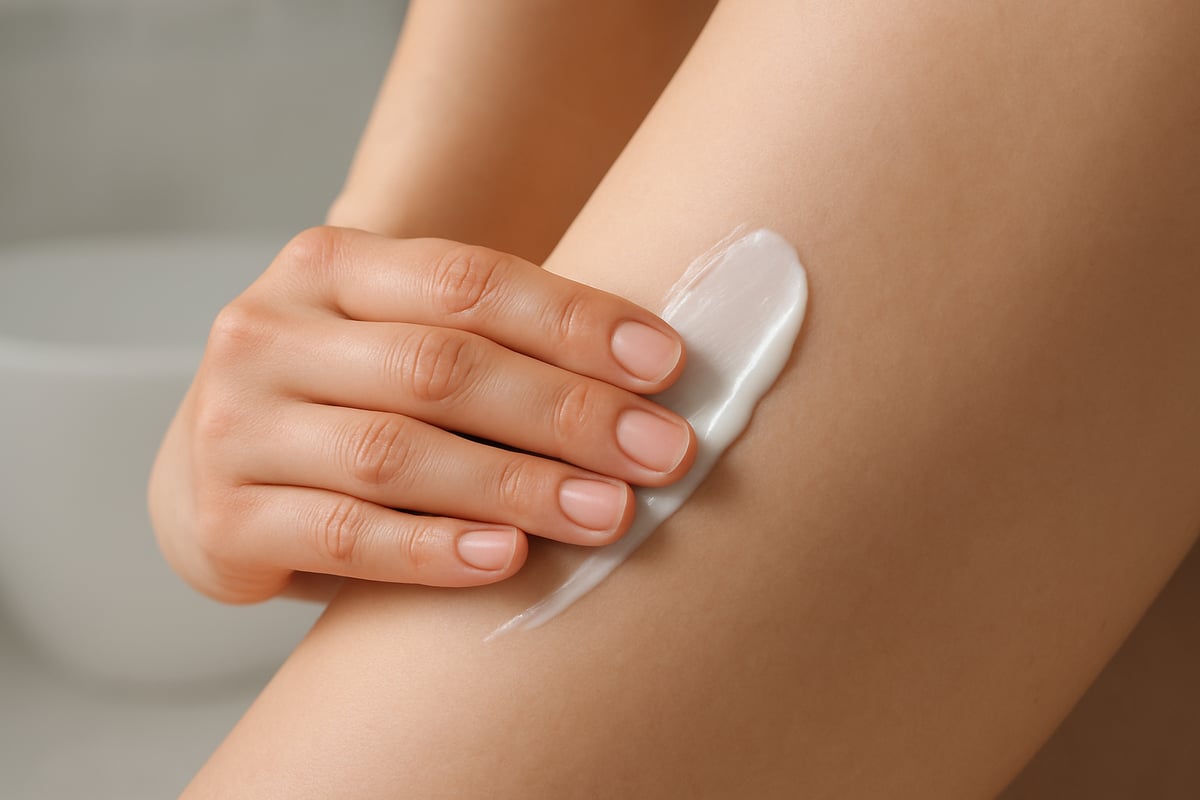
Step 1: Identify Your Skin Type and Sensitivities
Start by understanding your skin’s unique needs. Is your skin dry, oily, prone to eczema, or easily irritated by certain fabrics or products? Do you notice redness after shaving, or do specific activities like yoga cause chafing?
For example, a yoga instructor with a history of fragrance sensitivity might need a cream for sensitive areas that is fragrance-free and calming. Knowing your triggers will help you avoid harsh chemicals and synthetic fragrances—two common culprits behind irritation.
Step 2: Define Your Goals and Concerns
What do you want your cream for sensitive areas to achieve? Are you hoping to moisturize, soothe redness, brighten dark spots, or repair damaged skin? Be realistic about results and prioritize safety. For instance, someone looking to soothe post-waxing irritation should focus on calming and barrier-repairing ingredients rather than whitening agents.
Make a checklist of your main concerns so you can compare products side by side. This helps you stay focused and avoid impulse buys that don’t match your needs.
Step 3: Research and Shortlist Safe Brands/Products
Look for brands that prioritize safety—think COSMOS-certified, vegan, cruelty-free, and dermatologist-tested options. Avoid companies with a history of recalls or negative reviews.
A spa owner recently switched exclusively to toxin-free, plant-based creams for sensitive areas after clients complained about itchiness from traditional brands. The results? Fewer reactions and happier customers.
Step 4: Check Ingredient Lists for Red Flags
Always read ingredient lists with a critical eye. Skip products with parabens, sulfates, phthalates, and alcohol, which can harm your skin barrier. Instead, search for those containing natural moisturizers and soothing agents.
Use online resources or apps to verify unfamiliar ingredients. For a helpful reference, check out this Ingredients to Avoid for Sensitive Skin guide, which details common irritants hiding in many creams for sensitive areas.
Step 5: Consider Product Texture and Absorption
Texture matters, especially for sensitive zones. Do you prefer a lightweight gel, a rich cream, or a non-greasy lotion? The right choice depends on your needs and lifestyle.
For example, an athlete might choose a fast-absorbing gel as their cream for sensitive areas to prevent stickiness during workouts. Meanwhile, someone with persistent dryness may benefit from a thicker, shea butter-based option.
Step 6: Patch Test and Monitor Reactions
Never skip the patch test. Apply a small amount of cream for sensitive areas to a discreet spot and wait 24 hours. Watch for redness, itching, or burning. This simple step can help you avoid uncomfortable flare-ups.
For step-by-step guidance, visit this How to Patch Test Skincare resource, which outlines exactly how to test new products safely.
Step 7: Evaluate Results and Adjust Routine
After introducing a new cream for sensitive areas, monitor your skin closely. Are you seeing improvements, or has a new issue emerged? Keep a simple log to track changes.
If you experience discomfort or no improvement after a couple of weeks, stop using the product and explore alternatives. Sometimes, a minor tweak—like switching to a toxin-free, fragrance-free formula—makes all the difference.
Additional Tips for 2025
- Stay updated on ingredient safety news and regulations.
- Join online communities for sensitive skin support and recommendations.
- Avoid expired products and always perform a patch test.
- Prioritize creams for sensitive areas that are free of toxins and synthetic fragrances, as these reduce the risk of flare-ups and support overall skin health.
- Personalized care, not one-size-fits-all, is the secret to happy, resilient skin.
The Benefits of Toxin-Free and Fragrance-Free Creams
Choosing the right cream for sensitive areas goes far beyond quick relief. In 2025, more people are realizing that what is left out of their skincare matters just as much as what is included. Toxin-free and fragrance-free options are quickly becoming essentials for anyone with delicate skin.
Why Toxin-Free Matters for Sensitive Areas
Sensitive skin is easily aggravated by harsh chemicals found in many commercial creams. When using a cream for sensitive areas, even small amounts of toxins can lead to redness, stinging, or chronic irritation. The skin in these zones is thinner and more permeable, letting more ingredients penetrate deeply.
Switching to toxin-free products means fewer flare-ups and a lower risk of long-term skin damage. One wellness studio recently replaced all conventional creams for sensitive areas with toxin-free alternatives and noticed a sharp drop in client complaints about irritation. Want to know which chemicals to avoid and why they matter? Check this guide on Harsh Chemicals and Toxins to Avoid for a comprehensive breakdown.
The Hidden Dangers of Synthetic Fragrances
Synthetic fragrances are among the most common irritants in skincare. They can trigger allergic reactions, rashes, or even respiratory issues for those with sensitive skin. In fact, studies show that synthetic scents are now one of the top five causes of skin allergies.
If you have ever tried a new cream for sensitive areas and ended up with a burning sensation or hives, fragrance was likely the culprit. By choosing fragrance-free products, you immediately reduce your risk of hidden irritants and ensure your skin stays calm and soothed.
Benefits of Plant-Based and Allergen-Free Formulations
Plant-based creams for sensitive areas offer gentle hydration and nourishment. Ingredients like aloe, calendula, and oat extract are rich in natural antioxidants and fatty acids, helping repair the skin barrier without harsh side effects. Many allergen-free and dermatologically tested formulas are specifically designed to minimize reactions.
One real-life example is a yoga instructor who swapped her regular cream for sensitive areas with a calendula-based, allergen-free option. Her skin became softer, and she no longer worried about breakouts after long classes.
Environmental and Ethical Benefits
Choosing toxin-free and fragrance-free creams for sensitive areas is not just better for your skin—it is also kinder to the planet. Many of these products are vegan, cruelty-free, and use sustainable sourcing. By avoiding harsh chemicals and animal testing, you support brands that prioritize ethical practices and environmental responsibility.
The next time you reach for a cream for sensitive areas, remember that your choice impacts more than just your skin. Safer ingredients mean healthier skin, fewer allergic reactions, and a cleaner world for everyone.
Tips and Best Practices for Sensitive Skin Care
Caring for sensitive skin requires mindful routines that protect and nourish the most delicate areas. If you often struggle with irritation, redness, or allergic reactions, adopting a tailored approach for your daily regimen is essential. Discover these expert-backed tips to keep your skin calm, healthy, and resilient.
Daily Care Routines for Sensitive Areas
Start your day with a gentle cleanser that is free from harsh chemicals. After cleansing, pat the area dry instead of rubbing to avoid friction. Apply a cream for sensitive areas immediately after bathing to lock in moisture and support your skin barrier.
Choose lightweight, toxin-free products, especially for the underarms, bikini line, or inner thighs. Avoid over-exfoliating, as this can strip your skin and lead to increased sensitivity. For those with active lifestyles, like gym-goers, a mild cleanser after workouts helps prevent sweat-induced irritation.
- Use lukewarm water, not hot
- Opt for fragrance-free, dermatologically tested creams
- Apply moisturizer while skin is slightly damp
How to Prevent and Soothe Irritation
Prevention is easier than treating a flare-up. Wear breathable, loose-fitting clothing to minimize friction. If you anticipate chafing, such as during a run or long walk, apply a barrier cream for sensitive areas as a protective layer.
If you notice redness or discomfort, cool the area with a damp washcloth and re-apply your cream for sensitive areas. Look for ingredients like calendula or panthenol, which help to soothe and repair the skin. Toxin-free skin care reduces the risk of allergic reactions and long-term damage.
- Avoid synthetic fragrances and dyes
- Choose creams with natural oils or aloe vera
- Switch to toxin-free products for daily use
When to See a Dermatologist
Sometimes, even the best routines are not enough. If you experience persistent redness, swelling, or unexplained reactions that do not resolve with a cream for sensitive areas, consult a dermatologist.
Early intervention can prevent chronic issues and help identify any underlying allergies or sensitivities. According to data, seeing a professional promptly reduces the risk of long-term complications by 30 percent. If over-the-counter solutions fail, a dermatologist can recommend prescription options or patch testing.
Real-Life Success Stories
Many people have found relief by switching to toxin-free, gentle products. A yoga instructor who struggled with underarm irritation reported significant improvement after eliminating synthetic fragrances from her cream for sensitive areas.
A salon owner shared that clients with eczema experienced fewer flare-ups when they used fragrance-free creams. These stories highlight the power of mindful product selection and consistent care.
Lifestyle Adjustments for Sensitive Skin
Simple lifestyle choices make a big difference. Manage stress through regular exercise and mindfulness, as stress can worsen skin sensitivity. Stay hydrated, and eat a balanced diet rich in antioxidants to support your skin from within.
Avoid known triggers, such as perfumes or harsh detergents, and always choose a cream for sensitive areas that is labeled as allergen-free. For peace of mind, select products from trusted sources like Dermatologically Tested & Allergen-Free Care, which offer added protection for delicate skin.
Mistakes to Avoid
Never skip patch testing when trying a new cream for sensitive areas. Using expired products can lead to irritation and infection, as seen with a client who developed a rash from an old cream. Ignoring ingredient lists may expose your skin to hidden irritants.
Do not fall for unverified marketing claims. Always prioritize certified, toxin-free, and fragrance-free options for the safest results.
Good Intent Clean Beauty: Natural Solutions for Sensitive Skin
Choosing the right cream for sensitive areas just got easier with Good Intent Clean Beauty. As more people seek toxin-free skincare in 2025, this brand stands out by delivering gentle, effective solutions that actually put your skin's health first.

Every Good Intent cream for sensitive areas is COSMOS-certified, vegan, cruelty-free, and completely fragrance-free. This means you get peace of mind with every application, knowing your skin is protected from harsh chemicals and synthetic fragrances. For anyone tired of unpredictable reactions, their commitment to pure, gentle formulas is a game changer.
Flagship Products for Sensitive Skin:
- Sensitive Skin Body Cream: Deeply hydrates and calms without clogging pores.
- Urea Body Cream for Rough Skin: Smooths and repairs with gentle exfoliation.
- Oil-To-Milk Cleanser: Removes impurities without stripping moisture.
When a local spa switched to Good Intent’s cream for sensitive areas, staff noticed fewer client complaints about irritation and redness. Real-life results like these show the difference toxin-free skincare can make.
Good Intent’s transparent ingredient lists and dermatologically tested formulas help you avoid hidden irritants. If you want to learn more about what to avoid in your cream for sensitive areas, check out this helpful guide on Ingredients to Avoid in Moisturizers for Sensitive Skin.
These products are ideal not just for individuals, but also for wellness studios, salons, gyms, and sports clubs that value skin safety. Good Intent offers 10% off your first order, free shipping over $50, and supports multiple currencies, making it easy to prioritize self-care.
Choosing a cream for sensitive areas from Good Intent means embracing holistic, gentle care for sensitive and allergy-prone skin. Experience the benefits of toxin-free, plant-based skincare that truly respects your skin and the planet.
Common Mistakes to Avoid When Choosing Creams for Sensitive Areas
Choosing the right cream for sensitive areas is crucial, but many people trip over common pitfalls that can lead to discomfort, irritation, or even lasting skin issues. Let's break down the top mistakes and learn how to sidestep them for healthier, happier skin.
Overlooking Ingredient Lists
One of the biggest mistakes is skipping the ingredient list when picking a cream for sensitive areas. Many hidden irritants, such as lanolin or synthetic preservatives, can sneak into products and trigger flare-ups. For example, a user developed a painful rash from using a cream with an undisclosed fragrance.
Always read the full list, not just the front label claims. Some ingredients like parabens or certain emollients are common contact allergens. To get a deeper understanding of which ingredients to watch out for, check out this guide on Common Contact Allergens in Emollients.
Tips:
- Look for clear, short ingredient lists
- Avoid products with "fragrance" or "parfum" unless specified as natural
- Prefer creams labeled as toxin-free and free from synthetic fragrances
Falling for Marketing Hype
Don't be fooled by buzzwords alone. "Natural" and "hypoallergenic" on the label don't always mean the cream for sensitive areas is truly safe. Many brands use these claims without any third-party certification.
Did you know that 50% of products labeled “natural” still contain known irritants? Always check for credible certifications like COSMOS or dermatologist approval.
Watch out for:
- Uncertified "hypoallergenic" claims
- Fancy packaging that hides poor ingredient quality
- Products with long, unpronounceable chemical names
Not Performing Patch Tests
Skipping a patch test before using a new cream for sensitive areas can set you up for an allergic reaction or breakout. Even if a product is labeled as gentle, everyone’s skin is different.
A real-life example: one yoga instructor avoided weeks of irritation by patch testing a new plant-based cream on her inner arm first.
Step-by-step patch test:
- Apply a small amount to a discreet area
- Wait 24–48 hours
- Check for redness, itching, or bumps
- Only use widely if no reaction occurs
Using Products Past Expiry
Expired creams can be a breeding ground for bacteria and lose their effectiveness, especially in sensitive zones. Using an old cream for sensitive areas increases the risk of infection and irritation.
An athlete learned this the hard way when an expired tube caused a stubborn skin infection after a workout.
How to avoid:
- Always check the expiry date before use
- Store creams in a cool, dry place
- Discard any product that smells off or has changed color
Ignoring Professional Advice
If you have ongoing redness, swelling, or unexplained reactions, skipping the dermatologist can make problems worse. Self-diagnosing or relying on generic advice may not address your unique needs.
Early consultation often leads to faster relief and fewer chronic issues. Don’t hesitate to seek expert help for persistent sensitive skin concerns.
Relying on One-Size-Fits-All Solutions
Every person’s skin is unique. Using a generic cream for sensitive areas may not target your specific issues. For example, a local salon now offers custom recommendations after clients experienced flare-ups from mass-market products.
Benefits of personalized care:
- Better results by matching ingredients to your needs
- Lower risk of reactions from tailored formulas
- More confidence in your daily routine
Take time to research, patch test, and choose toxin-free skincare to truly support your sensitive skin.
Frequently Asked Questions About Creams for Sensitive Areas
Choosing the right cream for sensitive areas can feel overwhelming, especially with so many options on the market. Below, we answer the most common questions to help you find safe, effective solutions for your delicate skin.
Can I use face cream on other sensitive areas?
While some face creams are gentle, not all are safe for intimate or high-friction zones. Always check if the cream for sensitive areas is labeled as suitable for multiple regions and free from harsh chemicals.
How often should I apply cream to sensitive skin?
Most people benefit from applying cream for sensitive areas twice daily, morning and night. If your skin is extra dry, you might need a midday touch-up. Always follow the product instructions and observe how your skin responds.
Are natural creams always safer?
Natural does not always mean safe. While many plant-based ingredients soothe sensitive skin, some natural extracts can cause allergies. Always perform a patch test before using any cream for sensitive areas.
What should I do if I experience a reaction?
Stop using the product immediately. Gently cleanse the area with lukewarm water and apply a soothing, fragrance-free cream for sensitive areas. If symptoms persist, consult a dermatologist.
How long does it take to see results?
Results vary by concern and product. Moisturizing and soothing effects may be noticeable within days, while improvements in dark spots or texture can take weeks. Consistency is key for any cream for sensitive areas.
Is it safe to use whitening creams on intimate areas?
Most dermatologists advise caution. Many whitening creams contain harsh chemicals that can harm delicate skin. Opt for toxin-free, dermatologist-tested products if you have concerns about pigmentation.
Should I avoid all fragrances or just synthetic ones?
Synthetic fragrances are common irritants and are best avoided in any cream for sensitive areas. Some people tolerate mild natural scents, but fragrance-free is safest for highly reactive skin.
What certifications should I look for in 2026?
Look for COSMOS, vegan, cruelty-free, and dermatologically tested labels. These ensure your cream for sensitive areas meets strict safety standards and contains fewer potential toxins.
Can men use creams for sensitive areas too?
Absolutely. Men’s skin can be just as sensitive, especially after shaving or sports. Anyone can benefit from a gentle, toxin-free cream for sensitive areas.
How do I store creams to maintain their efficacy?
Store your cream for sensitive areas in a cool, dry place away from direct sunlight. Always close the lid tightly. Using expired products increases the risk of irritation and infection.
Now that you know what to look for in a cream for sensitive areas and why ingredient safety is more important than ever, you’re already ahead of the game. It’s amazing how a few mindful choices—like checking labels, patch testing, and going toxin free—can make all the difference for your skin’s comfort and confidence. If you’re ready to explore gentle, science backed options that fit everything we’ve talked about, why not take the next step? I invite you to Discover Good Intent and see how natural, thoughtfully formulated skincare can help you care for even the most delicate areas, every day.


