


8 Best Cleanser For Sensitive Combination Skin in 2026
If you’ve ever felt frustrated trying product after product, only to end up with red, dry patches or an oily shine, you’re not alone. Finding the right cleanser for sensitive combination skin can feel impossible, especially when so many formulas leave your face feeling tight or irritated.
This guide is here to help. We’ll reveal the 8 best cleansers for sensitive combination skin in 2025, explain what makes your skin unique, the dangers of harsh ingredients, and how to choose toxin-free, fragrance-free options for healthier, happier skin.
Ready for clarity and comfort? Let’s get started.
Understanding Sensitive Combination Skin
Have you ever felt like your skin is playing tricks on you? One minute, your forehead and nose are shiny and oily, the next, your cheeks are dry and flaky. Add in redness or stinging after trying a new product, and suddenly, finding the right cleanser for sensitive combination skin feels impossible.
What Is Sensitive Combination Skin?
Sensitive combination skin is a unique type that reacts easily to irritants and also features both oily and dry zones. The classic pattern is an oily T-zone (forehead, nose, chin) with drier, sometimes flaky cheeks. This duality creates a real challenge: you need a cleanser for sensitive combination skin that hydrates the dry areas without clogging pores or causing breakouts in the oily ones.
Triggers for sensitive combination skin are all around us. Environmental changes, stress, pollution, and especially harsh skincare products can set off irritation. For example, using a foaming wash with sulfates might leave your cheeks feeling tight and red, while your nose stays shiny.
Did you know that up to 60% of people self-report having sensitive skin? Combination skin is also among the most common adult skin types, making this concern widespread. You can find more detailed statistics in this Sensitive skin prevalence statistics research.
A real-life story: imagine someone trying a popular cleanser for sensitive combination skin, only to end up with red, irritated cheeks while their T-zone remains greasy. This frustration is all too common, highlighting the importance of barrier protection and gentle hydration.
Common Issues and Symptoms
Living with sensitive combination skin means juggling a list of conflicting skin issues. After cleansing, you might notice redness, itching, or a feeling of tightness, especially on the drier parts of your face. At the same time, your T-zone can look shiny or feel greasy.
It’s not unusual to see flaky patches right next to oily spots. This skin type is also prone to breakouts and dry areas at the same time, which makes finding a suitable cleanser for sensitive combination skin even trickier. Weather changes, pollution, and even emotional stress can make symptoms worse.
Let’s break down the common symptoms:
- Redness and irritation after washing
- Flaky cheeks alongside an oily forehead and nose
- Breakouts and dry spots appearing together
- Sensitivity to wind, sun, and humidity
- Emotional impact, such as frustration or embarrassment, due to unpredictable reactions
Many people feel discouraged by the cycle of trying new products and ending up with worse skin. That’s why choosing a gentle, toxin-free cleanser for sensitive combination skin is so important. Supporting your skin’s natural barrier and keeping hydration balanced can help restore confidence and comfort day after day.
The Dangers of Chemical and Fragrance-Laden Cleansers
Choosing the right cleanser for sensitive combination skin is more than just a matter of preference. If your skin often feels tight, looks red, or reacts unpredictably, you know the struggle is real. Many products on the shelves promise results, but the hidden dangers of chemical and fragrance-laden cleansers can turn daily care into a battle.
Why Avoid Harsh Chemicals and Synthetic Fragrances?
Sensitive combination skin is uniquely vulnerable to the effects of harsh ingredients. Many cleansers contain sulfates, parabens, SD alcohol, and synthetic dyes, all of which can strip away natural oils, leaving the skin barrier compromised. When the barrier is weak, skin becomes more reactive and can alternate between dry, flaky cheeks and an oily T-zone.
Fragrances are a top offender. In fact, over 40 percent of sensitive skin reactions are traced back to fragrance in skincare. Imagine someone using a foaming cleanser with synthetic scent, only to experience immediate stinging and redness. This is a common story among those searching for a gentle cleanser for sensitive combination skin.
Let’s break down the most problematic ingredients:
- Sulfates (SLS/SLES): Aggressive cleansers that leave skin dry and irritated.
- SD Alcohol: Exacerbates dryness and disrupts oil balance.
- Parabens: Potential allergens that can trigger flare-ups.
- Artificial dyes and fragrances: Linked to allergic reactions and long-term sensitivity.
The disadvantages of chemical-laden products go beyond immediate discomfort. Long-term use increases the risk of chronic irritation, allergies, and even permanent barrier damage. The environmental impact is also significant, as these chemicals often wash down the drain and persist in waterways. For a deeper look at how harsh chemicals can harm your skin’s natural barrier, check out this resource on the effects of harsh chemicals on skin barrier.
The Benefits of Toxin-Free, Fragrance-Free Cleansers
Switching to a toxin-free, fragrance-free cleanser for sensitive combination skin can be life-changing. These gentle formulas are designed to support the skin’s natural defenses, reducing the likelihood of redness, itching, and breakouts.
Here’s why toxin-free options are a smart choice:
- Gentle on the skin barrier: Helps maintain hydration and resilience.
- Lower allergy risk: Fewer synthetic ingredients mean fewer triggers.
- Holistic wellness: Many toxin-free cleansers are also cruelty-free, vegan, and eco-friendly.
- No synthetic fragrances: This means less risk of contact dermatitis and flare-ups.
Real-life users often report a dramatic difference after making the switch. One person shared how their cheeks stopped flaking and their T-zone felt less oily within just two weeks of using a toxin-free cleanser for sensitive combination skin. Their confidence grew as their skin calmed and balanced out.
Choosing a gentle, toxin-free cleanser is not just about avoiding the bad—it’s about embracing the good for your skin and the planet. The peace of mind you gain from knowing your routine is safe and supportive is a benefit you can see and feel.
Key Ingredients to Look For (and Avoid) in 2025
Finding the right cleanser for sensitive combination skin can feel like a minefield. The wrong ingredients can mean more breakouts, redness, or tight, flaky patches. The secret? Focus on gentle, nurturing components and steer clear of harsh chemicals that trigger irritation.
Must-Have Gentle Ingredients
When choosing a cleanser for sensitive combination skin, prioritize ingredients that hydrate and calm without clogging pores or causing oiliness. Here are the stars to look for:
| Ingredient | Benefit |
|---|---|
| Glycerin | Deeply attracts and locks in moisture. |
| Aloe Vera | Soothes redness, reduces inflammation. |
| Jojoba Oil | Balances oil, non-comedogenic. |
| Niacinamide | Regulates oil, strengthens skin barrier. |
| Manuka/Kiwifruit Extracts | Antioxidant, anti-inflammatory. |
| Vitamin E | Protects from environmental stress. |
A real-life example: After switching to a cleanser rich in aloe and niacinamide, one user noticed less redness and smoother cheeks, even in harsh winters. If you want a product with these gentle essentials, check out this Sensitive Skin Face & Body Cleanser, which avoids common irritants while supporting barrier health.
Ingredients to Avoid
Many cleansers on the market still contain harsh ingredients that can disrupt the delicate balance of sensitive combination skin. These can lead to stinging, dryness, or breakouts. Here’s what to leave on the shelf:
- Sulfates (SLS/SLES): Strip away natural oils, causing dryness and tightness.
- Alcohols (denatured, SD): Excessively drying, can worsen sensitivity.
- Parabens: Potential irritants, especially for reactive skin.
- Synthetic Fragrances: Top trigger for allergic reactions.
- Harsh Exfoliants: Cause microtears, leading to more inflammation.
Real-life scenario: One reader eliminated sulfates and synthetic fragrances from their cleanser for sensitive combination skin and saw a dramatic reduction in both oily shine and dry flakes. The result? Calmer, more even skin and fewer emergency trips to the dermatologist.
Pro tip: Always read the ingredient list. If you spot "parfum" or "alcohol denat.," it’s a sign to reconsider.
The Rise of Clean and Green Formulations
Demand for toxin-free options is higher than ever. Modern cleansers for sensitive combination skin now highlight transparency, plant-based ingredients, and eco-friendly certifications. Look for labels like COSMOS, vegan, or cruelty-free.
Toxin-free cleansers reduce the risk of allergic flare-ups and support long-term skin health. They also help the environment by using biodegradable ingredients. Many users share stories of switching to green formulas and finally achieving balanced, healthy skin without compromise.
If you’re ready for a change, start by patch-testing a new cleanser for sensitive combination skin and observe how your skin responds. Remember, the benefits of no synthetic fragrances include fewer breakouts, less redness, and a stronger skin barrier. Choosing wisely today means happier, healthier skin tomorrow.
Step-by-Step Guide: How to Cleanse Sensitive Combination Skin Properly
Cleansing with the right approach can make the difference between calm, balanced skin and daily irritation. If you’ve ever felt lost choosing the best cleanser for sensitive combination skin, you’re not alone. Below is a step-by-step guide, packed with real-life examples and expert tips, to help you achieve a healthy, glowing complexion without the guesswork.
1. Patch-Test Every New Product
Before using any new cleanser for sensitive combination skin, always patch-test. Apply a small amount to an area like your jawline or behind your ear.
- Wait 24 hours and check for redness, itching, or burning.
- This simple step prevents reactions across your entire face.
- Many readers have shared stories of avoiding major flare-ups by patch testing first.
- If you want more guidance on patch testing and gentle routines, the FAQ for Sensitive Skin Care offers answers to common questions.
2. Use Lukewarm Water
Hot water can strip natural oils and aggravate sensitive skin. Stick to lukewarm water when rinsing your cleanser for sensitive combination skin.
- Cold water might not dissolve oil and debris effectively.
- Lukewarm water keeps the skin barrier healthy and reduces redness.
- One reader noticed their cheeks stopped feeling tight once they switched to lukewarm rinsing.
3. Apply Cleanser Gently
Choose a toxin-free, fragrance-free cleanser for sensitive combination skin and avoid harsh scrubbing.
- Use just your fingertips, never rough washcloths or sponges.
- Massage in gentle, circular motions, focusing on the T-zone but not ignoring dry patches.
- Harsh rubbing can cause microtears and worsen sensitivity.
- A user shared that switching to a gentle application method led to fewer breakouts and less irritation.
4. Rinse Thoroughly and Pat Dry
Make sure all traces of cleanser for sensitive combination skin are rinsed away.
- Leftover residue can trigger redness or stinging.
- Always use a soft towel and gently pat your skin dry.
- Rubbing can create friction, leading to flaky spots and increased sensitivity.
5. Follow with a Gentle, Fragrance-Free Moisturizer
Right after cleansing, lock in hydration with a fragrance-free moisturizer.
- Look for ingredients like ceramides, hyaluronic acid, or squalane.
- Moisturizing immediately helps strengthen the skin barrier.
- Real-life story: One reader reduced dry, flaky patches after adding a gentle moisturizer to their routine.
6. Adjust Routine Seasonally
Sensitive combination skin changes with the seasons. In winter, swap your cleanser for sensitive combination skin to a richer cream formula. In summer, opt for lighter gel cleansers.
- Monitor your skin’s response to temperature and humidity shifts.
- Keeping your routine flexible prevents both dry patches and oily shine.
7. Avoid Over-Cleansing
Washing your face too often can harm your skin’s natural defenses.
- Limit using a cleanser for sensitive combination skin to morning and night.
- Over-cleansing strips essential oils and can lead to more breakouts or irritation.
- A user who cut back to twice-daily cleansing saw a dramatic reduction in redness and flakiness.
Choosing a toxin-free, fragrance-free cleanser for sensitive combination skin not only minimizes the risk of allergic reactions but also supports your skin’s natural barrier. Chemical-laden products can disrupt balance and cause flare-ups, while gentle options help you achieve calm, healthy skin every day.
8 Best Cleanser For Sensitive Combination Skin in 2025
Finding the right cleanser for sensitive combination skin can feel like an endless quest. With so many harsh, chemical-laden formulas on the market, it’s easy to end up with redness, tightness, or breakouts. If you’ve ever felt frustrated by cleansers that leave your skin stripped or irritated, you’re not alone. The good news is, 2025 brings a new wave of gentle, toxin-free options designed to care for both oily and dry areas—without compromise.
Good Intent Clean Beauty Face & Body Cleanser for Sensitive Skin
For those seeking a true multitasker, this COSMOS-certified cleanser for sensitive combination skin stands out. It’s toxin-free, fragrance-free, vegan, and allergen-free. The gentle, non-stripping formula soothes even the most reactive skin and supports a healthy barrier. Ideal for anyone tired of guessing ingredients, its transparency and holistic approach earn rave reviews. One user with persistent redness shared that switching to this cleanser calmed their skin within days. Only available online or through select wellness partners, you can explore more toxin-free options in the Gentle Glow Collection for Sensitive Skin. A must-try for anyone wanting a truly safe cleanser for sensitive combination skin.

Nude Kiwi Cleansing Milk
This New Zealand-made cleansing milk is a gentle, nourishing choice for sensitive combination skin. Key ingredients like glycerin, aloe vera, manuka, and kiwifruit extracts hydrate and calm, while antioxidants help protect against environmental stress. Users love its ability to soothe redness and leave skin feeling soft, never tight. One reviewer noted that their dry cheeks stopped flaking after two weeks of use, even as their T-zone stayed clear. While it may not remove heavy makeup, it’s perfect for daily cleansing routines focused on comfort and balance.

La Roche-Posay Toleriane Hydrating Gentle Cleanser
This dermatologist-recommended cleanser for sensitive combination skin features barrier-supporting ceramides and balancing niacinamide. Fragrance-free and sulfate-free, it gently removes impurities without upsetting the skin’s natural pH. Fans praise its ability to address both dryness and excess oil—one user with an oily T-zone and dry cheeks reported fewer breakouts and less redness after switching. While not fully organic, it’s a reliable, non-irritating staple for sensitive skin types.
Vanicream Gentle Facial Cleanser
Budget-friendly and straightforward, Vanicream’s gentle formula is free of dyes, parabens, sulfates, and fragrance. It’s ideal for those who react to everything, offering a simple solution for sensitive combination skin. Users appreciate how it removes oil without overdrying. A real-life example: someone with allergy-prone, reactive skin saw reduced redness and tightness within a week. While it lacks added nutrients, its minimalism is its strength, especially for those needing to avoid common irritants.
Paula’s Choice Calm Nourishing Cleanser
This plant-based, antioxidant-rich cleanser for sensitive combination skin is designed to reduce redness and soften without foam. It’s a favorite for those with unpredictable skin, offering a lightweight cream texture that doesn’t clog pores or leave residue. One user described how their skin felt calmer and less inflamed within days of starting it. Although not a foaming option, it excels at maintaining a healthy moisture balance while avoiding synthetic fragrances.
Avene Tolerance Extremely Gentle Cleanser
Avene’s minimal-ingredient cleanser for sensitive combination skin is fragrance-free and preservative-free, making it ideal for ultra-reactive or post-procedure skin. The no-rinse formula soothes irritation and protects the natural barrier. One person recovering from a harsh reaction shared that this cleanser relieved burning and redness almost immediately. While it may not deeply cleanse oily T-zones, its gentleness is unmatched for those needing extreme care.
First Aid Beauty Pure Skin Face Cleanser
Packed with aloe and glycerin, this sulfate-free cleanser for sensitive combination skin calms, hydrates, and provides antioxidant protection. The gentle lather removes makeup without stripping, making it a go-to for those who want effective cleansing without irritation. A reviewer with a history of stinging from other cleansers found their skin stayed comfortable and balanced—even with daily use. Be aware it contains some plant extracts, so patch-test if you have allergies.
CeraVe Hydrating Cream-to-Foam Cleanser
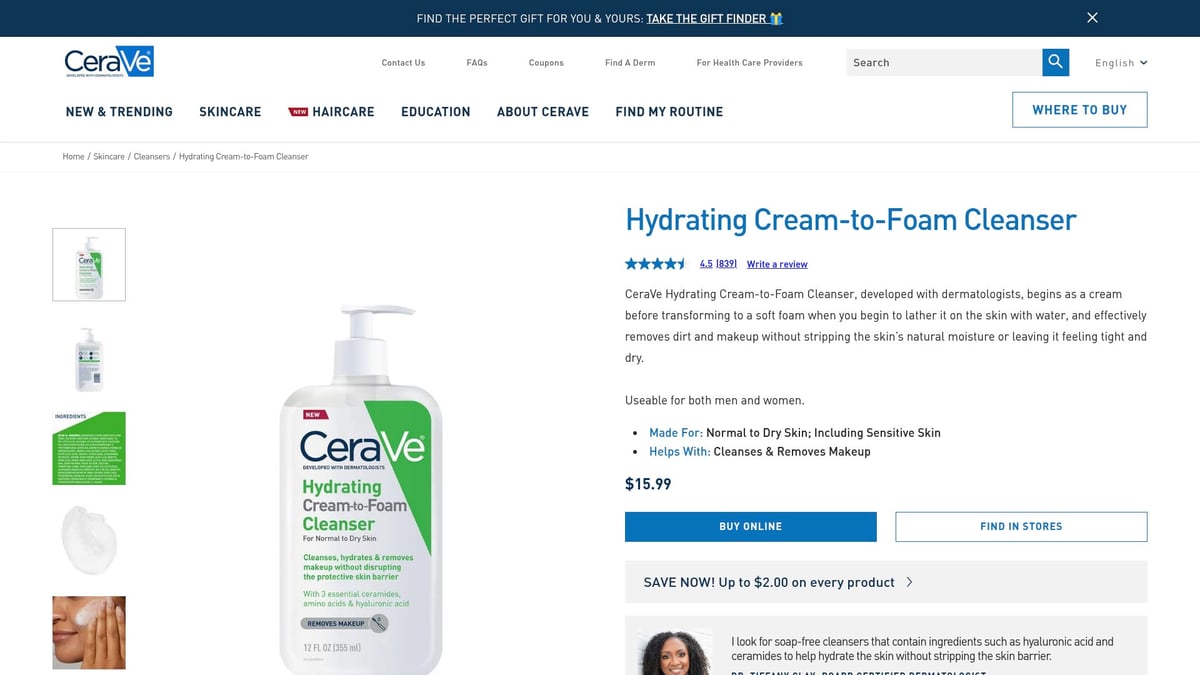
This affordable cleanser for sensitive combination skin transforms from cream to foam, removing makeup and excess oil gently. With ceramides and hyaluronic acid, it maintains hydration and supports the skin barrier. Widely available, it’s a favorite for those seeking a balance between cleansing and moisture. One user who struggled with both dry patches and oiliness noticed smoother texture and fewer flare-ups after regular use. Patch-test if your skin is extremely sensitive, as it contains mild surfactants.
Quick Tips for Sensitive Skin:
- Always patch-test new products.
- Choose toxin-free, fragrance-free formulas to minimize risk.
- Avoid over-exfoliating and stick to gentle, non-abrasive options.
- Hydrate inside and out with water and barrier-supporting moisturizers.
- Adjust your routine for seasonal changes and always read ingredient labels.
Choosing a cleanser for sensitive combination skin doesn’t have to be a gamble. With these gentle, toxin-free options, you can support your skin’s health, avoid the pitfalls of harsh chemicals, and enjoy a calmer, more balanced complexion.
Tips for Caring for Sensitive Combination Skin
Struggling to find the right cleanser for sensitive combination skin? You are not alone. Navigating unpredictable skin can be overwhelming, but a few mindful steps can make a world of difference. Here are expert-backed tips to help you achieve a balanced, calm complexion—without the guesswork.
1. Prioritize Patch Testing New Products
Always patch-test a new cleanser for sensitive combination skin on a small area, such as behind your ear or along the jawline. This prevents widespread reactions if irritation occurs.
If you notice redness, itching, or stinging within 24 hours, avoid using the product on your full face. Many users have avoided major flare-ups by taking this simple precaution.
2. Choose Toxin-Free, Fragrance-Free Products
Opt for a cleanser for sensitive combination skin that is labeled toxin-free and fragrance-free. These formulas are less likely to trigger allergic reactions or persistent redness.
Synthetic fragrances and harsh chemicals can cause burning, itching, and even long-term barrier damage. For more on common harmful ingredients, see Harmful chemicals in skincare products. Users switching to fragrance-free products often report calmer, less reactive skin.
3. Avoid Over-Exfoliation
Over-exfoliating can strip your skin’s protective layer, making combination skin even more unpredictable. Limit exfoliation to once a week and choose gentle, non-abrasive formulas.
A real-life example: After switching from daily scrubs to a weekly mild exfoliant, one user saw fewer breakouts and less flakiness on her cheeks.
4. Hydrate Inside and Out
Hydration is essential for keeping your skin balanced. Drink plenty of water and use a lightweight moisturizer after your cleanser for sensitive combination skin. Look for ingredients like hyaluronic acid and glycerin to lock in moisture without clogging pores.
This step helps prevent both dry patches and excess oil production.
5. Adjust Skincare for Seasonal Changes
Your skin’s needs change with the weather. In winter, a richer cleanser for sensitive combination skin can reduce flakiness, while lighter gels work best in summer.
A reader shared how switching to a cream cleanser in colder months soothed her irritated cheeks and restored comfort.
6. Read Ingredient Labels Carefully
Become a label detective. Scan for hidden irritants like “parfum,” “alcohol denat,” or parabens, which can trigger reactions. For a helpful guide, check out Toxic skincare ingredients to avoid.
Knowing what to avoid is just as important as knowing what to use in your cleanser for sensitive combination skin.
7. Seek Professional Advice When Needed
If you experience persistent redness, breakouts, or discomfort, consult a dermatologist. They can recommend a tailored cleanser for sensitive combination skin and help you avoid unnecessary trial and error.
Expert advice is especially important when over-the-counter solutions are not working, or if your symptoms are severe.
The Benefits of Toxin-Free Skincare for Sensitive Combination Skin
Navigating the world of skincare can be overwhelming, especially when you have sensitive combination skin. Every product choice feels like a gamble. But choosing a toxin-free approach can change everything for your skin’s future.
Long-Term Skin Health and Barrier Support
Switching to a toxin-free cleanser for sensitive combination skin is more than just a trend. It’s an investment in your skin’s resilience. Without harsh chemicals, your skin’s natural barrier can finally heal and get stronger.
Many experience fewer flare-ups, less redness, and improved hydration. A real-life example: One user, tired of constant irritation, replaced her old cleanser for sensitive combination skin with a gentle, toxin-free option. Within weeks, her cheeks felt calmer, and her T-zone was less oily. She noticed her skin bounced back faster from weather changes, too.
The Power of Fragrance-Free and Eco-Friendly Choices
Did you know that synthetic fragrances are a leading cause of skin sensitivity? By choosing a fragrance-free cleanser for sensitive combination skin, you can cut the risk of contact dermatitis and breakouts. Your skin’s moisture barrier stays protected, helping you avoid those unpredictable dry patches and oily spots.
There’s more good news: many toxin-free cleansers use plant-based, biodegradable ingredients. This means your routine is kinder to the environment, reducing pollution and supporting a cleaner planet.
Holistic Wellness for Skin and Self
Going toxin-free is about more than what you put on your face. It’s a wellness choice that impacts your whole self. Cleaner formulas support your skin’s healing and reflect a mindful approach to self-care. Brands like About Us – Toxin-Free Clean Beauty are dedicated to safe, holistic products, making it easier to find a cleanser for sensitive combination skin that aligns with your values.
Some believe toxin-free means less effective, but real users report clearer, more balanced skin after making the switch. The peace of mind from knowing every ingredient is safe is priceless.
Real-Life Results and Mindful Choices
Testimonials pour in from people who finally found relief with a toxin-free cleanser for sensitive combination skin. They describe calmer complexions, fewer surprise breakouts, and a boost in confidence. The journey to healthy skin is about making informed, conscious decisions.
Choosing toxin-free is a step toward better skin and a healthier lifestyle. Look for simple ingredient lists, avoid unnecessary chemicals, and trust your instincts. Your skin will thank you, and so will the planet.
If you’re tired of playing skincare roulette and just want a gentle cleanser that actually respects your sensitive combination skin, you’re not alone—I’ve been there too. With so many products out there packed with harsh chemicals and hidden fragrances, it’s refreshing to find something that truly puts your skin’s health first. If you’re curious to explore a collection that checks all the right boxes—think toxin free, fragrance free, and designed with sensitive skin in mind—why not take a peek at the Discover Good Intent lineup? Your skin might just thank you for it.


