


9 Expert-Approved Best Whitening Cream for Sensitive Areas 2026
Looking to brighten delicate skin without risking irritation? The demand for the best whitening cream for sensitive areas is soaring as more people seek safe, gentle solutions for underarms, bikini lines, and other intimate zones.
In this guide, discover 9 expert-approved creams designed specifically for sensitive skin in 2026. Every pick is toxin-free, fragrance-free, and packed with soothing, plant-based ingredients to deliver results without harsh side effects.
You will learn what makes a cream safe for delicate skin, get a step-by-step usage guide, receive tips for sensitive skin, and explore real-life success stories. Get ready to find your perfect match for healthy, radiant skin.
Understanding Whitening Creams for Sensitive Areas
Are you wondering what makes the best whitening cream for sensitive areas stand out from ordinary brightening products? Sensitive zones like underarms, inner thighs, and bikini lines need extra attention. These areas are prone to dark spots and hyperpigmentation, often triggered by friction, hormones, or shaving. Choosing the right product means understanding both the unique needs of delicate skin and the science behind safe, effective brightening.
What Are Whitening Creams for Sensitive Areas?
Whitening creams for sensitive areas are designed to target dark patches and uneven skin tone in delicate zones. Unlike regular brightening products, the best whitening cream for sensitive areas uses gentle, non-irritating ingredients. These creams focus on spots like the underarms, bikini line, inner thighs, elbows, and knees.
The main difference is their formulation. Standard creams may be too harsh, while those for sensitive areas avoid common irritants. They often exclude strong acids and use plant-based actives instead. This makes them suitable for daily use, even on thin, reactive skin.
Choosing the best whitening cream for sensitive areas ensures comfort and visible results without sacrificing skin health.
Why Sensitive Areas Need Special Care
The skin in intimate zones is thinner and more reactive than elsewhere on your body. This means it is much easier to trigger irritation, redness, or even rashes. If you have experienced burning or itching after using a new product, you are not alone.
Common issues include hyperpigmentation, dark spots, and skin discoloration caused by friction, hormonal shifts, or shaving. The best whitening cream for sensitive areas must address these concerns gently.
Tips for sensitive skin care:
- Always patch test before full use.
- Avoid shaving immediately before applying any cream.
- Moisturize after application to lock in hydration.
Remember, picking the best whitening cream for sensitive areas can help you achieve results while minimizing discomfort.
Risks of Chemical-Based Whitening Creams
Many traditional skin lightening products contain harsh chemicals like hydroquinone, mercury, and parabens. These can cause redness, burning, or even damage your skin barrier over time. The best whitening cream for sensitive areas avoids such ingredients, focusing on safety and long-term skin health.
Using chemical-based creams increases the risk of allergic reactions and chronic irritation. Some people have reported skin thinning or permanent discoloration after prolonged use. To learn more about what ingredients to avoid, check out this helpful Ingredients to Avoid for Sensitive Skin guide.
When selecting the best whitening cream for sensitive areas, always check the label and steer clear of toxic additives.
Benefits of Toxin-Free and Fragrance-Free Skincare
Toxin-free and fragrance-free formulas are the foundation of the best whitening cream for sensitive areas. By skipping synthetic fragrances and harsh chemicals, these creams reduce the risk of allergic reactions and flare-ups. This makes them ideal for those with eczema, allergies, or highly reactive skin.
Natural, plant-based ingredients like licorice extract, vitamin C, and niacinamide offer proven brightening effects without irritation. These actives help fade dark spots while soothing delicate skin. Fragrance-free products are especially important since synthetic scents are a leading cause of contact dermatitis.
Choosing a toxin-free, fragrance-free option boosts both your skin's health and your confidence in daily care.
Step-by-Step Guide: How to Use Whitening Creams Safely on Sensitive Skin
Ready to get glowing, even-toned skin without irritation? Here’s your essential guide to using the best whitening cream for sensitive areas, designed for real results and comfort. Sensitive skin deserves special attention, so let’s walk through each step for safe, effective brightening.
Pre-Application Preparation
Before you try any new best whitening cream for sensitive areas, preparation is everything. Always start by patch testing to check for allergic reactions or sensitivities, especially if you have delicate or reactive skin. Not sure how? Follow this How to Patch Test Skincare Products step-by-step guide for peace of mind.
Cleanse the area with a gentle, fragrance-free wash. Avoid shaving or waxing immediately before application, as this can leave skin vulnerable. If your skin tolerates it, a light exfoliation with a soft washcloth can help the cream absorb better. Remember, toxin-free and fragrance-free products are best for this step to minimize irritation risk.
Application Process
When applying the best whitening cream for sensitive areas, less is more. Use a pea-sized amount and gently massage it into the skin using circular motions. This helps the product sink in without tugging or causing friction.
Stick to the frequency recommended on the product label, usually once or twice daily. Overuse can lead to redness or stinging, especially with sensitive skin. Always wash your hands after application. If you’re using multiple products, avoid mixing active ingredients like acids or retinoids with your whitening cream, as this can increase sensitivity.
Aftercare and Maintenance
After using the best whitening cream for sensitive areas, aftercare is crucial for maintaining healthy skin. Moisturize with a lightweight, fragrance-free lotion to support your skin barrier. Apply sunscreen to exposed areas, since brightening products can make skin more sensitive to UV rays.
Avoid tight clothing or activities that cause friction while your skin adjusts. If you notice any redness, burning, or discomfort, stop using the product and let your skin recover. Switching to a toxin-free, fragrance-free formula often helps reduce these reactions.
Real-Life Examples: Success Stories and Cautionary Tales
Many people with sensitive skin have found confidence using the best whitening cream for sensitive areas, especially when sticking to toxin-free and gentle formulas. For example, one user with eczema saw visible improvement and no irritation after switching to a fragrance-free cream.
Conversely, skipping patch tests or using chemical-laden products can cause setbacks. One cautionary tale involves a user who layered several actives, only to experience stinging and peeling. The lesson? Less is more, and clean, gentle ingredients make all the difference for sensitive areas.
9 Expert-Approved Best Whitening Cream for Sensitive Areas 2026
Choosing the best whitening cream for sensitive areas can be daunting, especially when your skin needs extra care. In 2026, gentle, toxin-free, and fragrance-free solutions are leading the way for those with delicate skin. Below, discover nine expert-approved options—each handpicked for safety, effectiveness, and user satisfaction.
Good Intent Clean Beauty Sensitive Skin Body Cream
Looking for the best whitening cream for sensitive areas that is truly clean? This COSMOS-certified, vegan formula is crafted for those with allergies, eczema, or easily irritated skin. The plant-based actives—like licorice root and vitamin C—deliver gentle brightening without harsh chemicals.
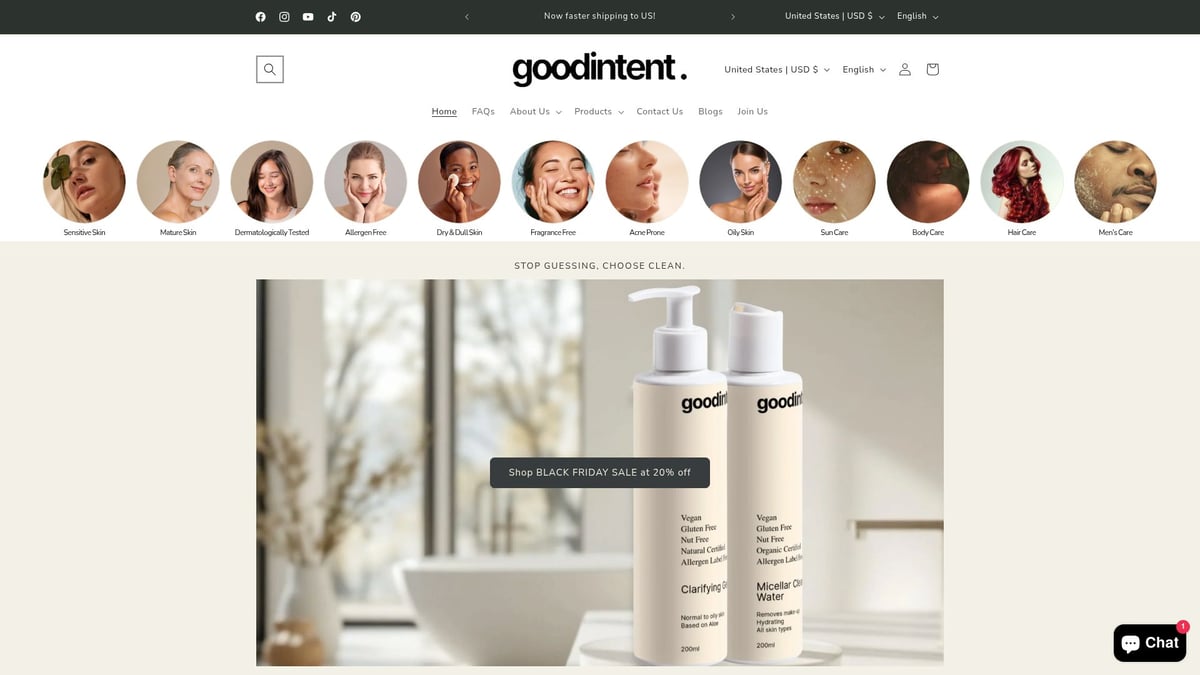
You’ll appreciate that it’s fragrance-free, dermatologist-tested, and shipped globally. Real-life users with reactive skin report visible lightening of dark spots on underarms and inner thighs within weeks, all without redness or burning.
Pros:
- No synthetic fragrances
- Toxin-free ingredients
- Designed for sensitive, problematic skin
Cons:
- Premium price
- Limited retail availability
If you want a reliable, gentle solution, this cream stands out. To learn more about choosing the right formula, check the Creams for Sensitive Areas Guide.
Amaira Natural Lightening Serum
This serum is a top pick for those seeking the best whitening cream for sensitive areas, especially the bikini line and underarms. Amaira’s formula skips hydroquinone and parabens, relying on natural extracts to gently fade dark spots.
Clinically tested, Amaira is praised for delivering visible results in about six weeks. It’s gentle enough for daily use, and reviewers with sensitive skin report no irritation, even with prolonged use.
Pros:
- Plant-based actives
- Targets intimate dark spots
- Gentle daily formula
Cons:
- Requires consistent, patient use
If your skin is prone to redness or stinging, this serum’s soothing approach is a smart bet.
Enlightened Skincare Intimate Brightening Cream
For those searching for the best whitening cream for sensitive areas that is lightweight and quick-absorbing, this option shines. With natural extracts and a fragrance-free, non-irritating formula, it’s designed for underarms, elbows, and intimate zones.
Users with thin, reactive skin find this cream helps even tone and reduce hyperpigmentation without causing dryness or peeling. One user with a history of allergic reactions praised the soothing ingredients for keeping flare-ups at bay.
Pros:
- Fast absorption
- Fragrance-free
- Gentle on delicate skin
Cons:
- Not for broken or compromised skin
It’s a solid choice for daily maintenance of sensitive areas.
Pink Madison Whitening Cream
If affordability is a priority, this is the best whitening cream for sensitive areas that doesn’t break the bank. Pink Madison uses kojic acid, licorice extract, and arbutin to brighten inner thighs and underarms gently.
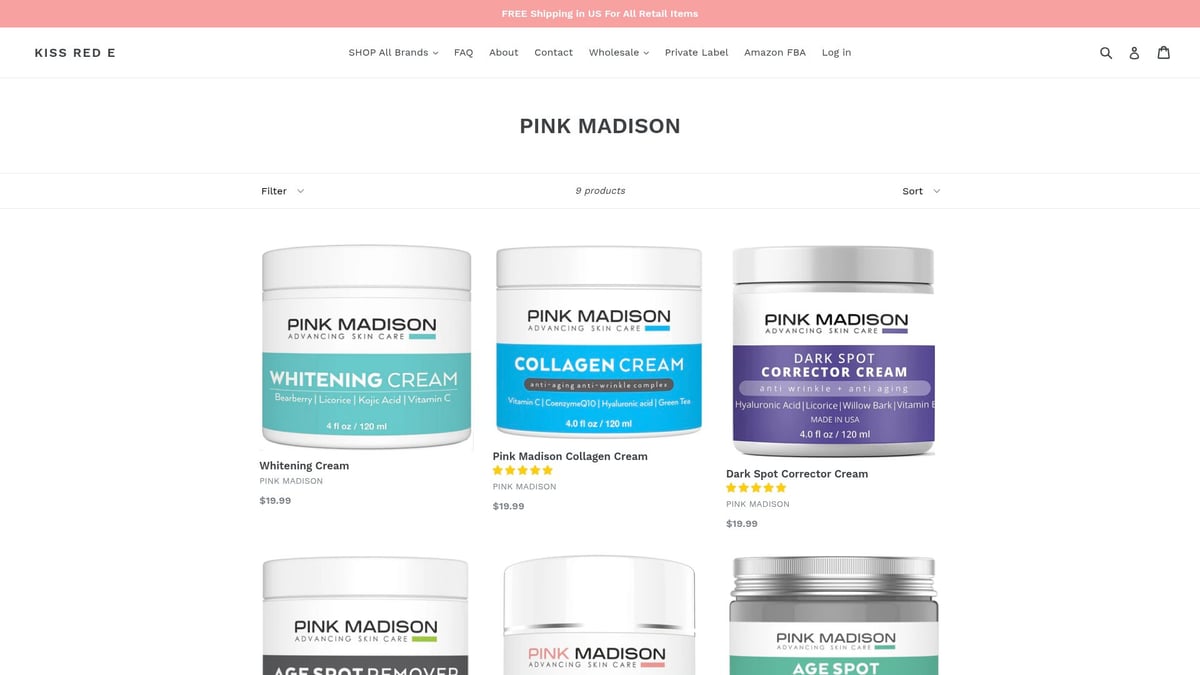
This paraben-free formula is popular among users who want a clean, simple option. Some mention the scent is noticeable, but most agree the cream delivers visible lightening with regular use.
Pros:
- Budget-friendly
- Paraben-free
- Effective plant actives
Cons:
- Scent may not suit everyone
It’s a great starter for those new to whitening creams and toxin-free skincare.
Divine Derriere Intimate Skin Lightening Gel
Looking for a gel-based solution? This is the best whitening cream for sensitive areas in a lightweight gel form. It uses mulberry extract, niacinamide, and botanicals to fade dark spots safely.

Many users with sensitive skin love the non-greasy feel and report quick absorption. However, overuse can cause dryness, so following instructions is key.
Pros:
- Safe for all skin types
- Fast-absorbing
- Non-greasy
Cons:
- Overuse may cause dryness
One user shared how switching to this gel helped avoid irritation they experienced with chemical-laden alternatives.
Pretty Privates Intimate Cream
Hydration meets brightening in this best whitening cream for sensitive areas. Arbutin, niacinamide, and coconut oil provide deep moisture while fading hyperpigmentation.
Fans with eczema and dry, reactive skin say this cream soothes as it brightens. It’s vegan, cruelty-free, and ideal for frequent use on the bikini area and underarms.
Pros:
- Deeply moisturizing
- Vegan and cruelty-free
- Brightens and soothes
Cons:
- Texture can feel heavy for some
Perfect for those who want extra nourishment along with gentle whitening.
Lumière Blanche Intimate Whitening Cream
If post-waxing irritation is a concern, this is the best whitening cream for sensitive areas to consider. With vitamin C, licorice root, and shea butter, it calms skin while targeting dark spots.
It’s fragrance-free and dermatologist-recommended, making it safe for daily use. Some users note it takes longer to see results, but appreciate the lack of irritation.
Pros:
- Soothes after waxing
- Fragrance-free
- Dermatologist-recommended
Cons:
- Slow visible results
A gentle option for anyone with easily triggered skin.
Organys Skin Brightening Cream
A solid contender for best whitening cream for sensitive areas, Organys offers a plant-based, paraben-free formula that supports your skin’s natural barrier. It’s gentle enough for both face and body.
Daily users with sensitive skin love the non-irritating texture. The only drawback is the small tube size, which may require frequent repurchasing.
Pros:
- Gentle for daily use
- No parabens or sulfates
- Supports skin barrier
Cons:
- Small packaging
Ideal for those who want a multi-use, clean solution for sensitive spots.
Evagloss Lightening Serum
When looking for the best whitening cream for sensitive areas that is lightweight and non-sticky, Evagloss is a favorite. With mulberry and licorice extracts, it targets dark spots on intimate skin.

Reviews highlight its easy absorption and gentle formula. Patience is needed for best results, but the payoff is gradual, irritation-free brightening.
Pros:
- Lightweight, non-sticky
- Natural extracts
- Improves clarity gently
Cons:
- Results require patience
A patient approach pays off for those with delicate skin.
Comparison Table: At a Glance
| Product Name | Price | Key Actives | Fragrance-Free | Vegan | Ideal For |
|---|---|---|---|---|---|
| Good Intent Clean Beauty | $41.00 | Licorice, Vitamin C | Yes | Yes | All sensitive areas |
| Amaira Serum | $49.99 | Plant extracts | Yes | Yes | Bikini, underarms |
| Enlightened Skincare | $39.95 | Natural extracts | Yes | Yes | Underarms, elbows |
| Pink Madison | $24.95 | Kojic, licorice, arbutin | No | No | Thighs, underarms |
| Divine Derriere Gel | $29.99 | Mulberry, niacinamide | Yes | Yes | Intimate zones |
| Pretty Privates | $23.99 | Arbutin, coconut oil | Yes | Yes | Bikini, elbows |
| Lumière Blanche | $34.50 | Vitamin C, shea butter | Yes | Yes | Post-waxing |
| Organys | $29.99 | Plant-based extracts | Yes | Yes | Face, body |
| Evagloss Serum | $21.99 | Mulberry, licorice | Yes | Yes | Intimate areas |
Sensitive Skin Tips for Using Whitening Creams
- Always patch test before full application.
- Avoid shaving or waxing right before use.
- Apply a thin layer and massage gently.
- Moisturize afterward and use SPF if area is exposed.
- Stop if irritation occurs and consult a dermatologist.
Choosing a toxin-free, fragrance-free product is essential for maintaining your skin’s health. Many chemical-based creams can cause redness, burning, or long-term barrier damage. Opting for clean, vegan options with natural actives helps reduce risks and supports gentle, effective brightening.
With this list of the best whitening cream for sensitive areas, you can confidently find a solution that fits your unique needs—without compromising your skin’s safety.
Expert Tips: How to Choose the Right Whitening Cream for Sensitive Skin
Choosing the best whitening cream for sensitive areas can feel overwhelming, especially with so many options on the market. The good news? You can make a safe, informed choice by following a few expert-approved steps. Let’s break down exactly what to look for, how to test products, and what pitfalls to avoid when shopping for creams designed for delicate skin.
Look for Toxin-Free, Natural Ingredients
When searching for the best whitening cream for sensitive areas, always check the ingredient list first. Avoid products with hydroquinone, mercury, parabens, and synthetic fragrances. These chemicals can trigger redness, burning, and long-term skin barrier damage, especially in delicate zones.
Instead, look for plant-based actives such as licorice extract, vitamin C, and arbutin. These ingredients offer gentle brightening without the risk of harsh reactions. Many users find that toxin-free creams not only lighten dark spots, but also keep their skin calm and healthy.
If you’re unsure, choose creams labeled vegan, cruelty-free, and dermatologist-tested. These are often formulated with sensitive skin in mind. Remember, the best whitening cream for sensitive areas will always prioritize your skin’s safety over fast, risky results.
Patch Test Before Full Application
Before using any new product, even the best whitening cream for sensitive areas, perform a patch test. This simple step can save you from uncomfortable reactions. Here’s how:
- Apply a small amount of cream to a discreet spot, like the inner wrist or behind your knee.
- Wait 24 to 48 hours, watching for signs of redness, itching, or burning.
- If no irritation occurs, it’s likely safe to use on your sensitive areas.
For example, one user with reactive skin discovered a mild stinging sensation during her patch test. She decided not to use the product on her bikini line, avoiding a potential flare-up. Always do a patch test, even if the product claims to be gentle or natural. This ensures the best whitening cream for sensitive areas works with your unique skin.
Understand Your Skin’s Needs and Triggers
Everyone’s skin is different, and understanding your own sensitivities is key to finding the best whitening cream for sensitive areas. Identify any allergies or past reactions you’ve had to skincare ingredients, and keep a list handy when shopping.
If you have eczema, psoriasis, or a history of allergic reactions, consult with a dermatologist before starting a new product. They can help you decode ingredient labels and recommend safe options.
Also, consider your skin’s moisture needs and how often you’ll use the cream. Some people benefit from creams with extra hydration, while others need lightweight formulas. The more you know about your skin, the easier it is to avoid triggers and find the perfect match.
Prioritize Fragrance-Free and Allergen-Free Options
Fragrance is one of the most common causes of contact dermatitis, especially in sensitive or intimate areas. When choosing the best whitening cream for sensitive areas, look for products labeled fragrance-free and hypoallergenic. These formulas are far less likely to cause redness, itching, or flare-ups.
For those with eczema, psoriasis, or simply very reactive skin, skipping fragrance can make all the difference. In fact, benefits of fragrance-free skincare include fewer allergic reactions, better tolerance, and safer daily use, particularly on delicate zones.
Opting for allergen-free creams helps you enjoy visible results without compromising your skin’s comfort or health. Remember, the best whitening cream for sensitive areas will always put your well-being first.
The Disadvantages of Chemical Whitening Creams and the Benefits of Clean Alternatives
Chemical-based whitening creams often promise fast results, but at what cost to your skin’s health? For those searching for the best whitening cream for sensitive areas, understanding the difference between harsh chemicals and clean alternatives is crucial. Let’s break down the risks, benefits, and smart choices for sensitive skin.
Common Harsh Chemicals to Avoid
Many off-the-shelf whitening products contain ingredients like hydroquinone, mercury, and steroids. These can lead to serious side effects, especially for those with delicate skin. Hydroquinone, for example, is now banned in several countries due to risks like skin thinning, permanent discoloration, and even systemic toxicity. Mercury has been linked to kidney and nervous system issues.
If you’re aiming for the best whitening cream for sensitive areas, always check the ingredient list for these red flags:
- Hydroquinone
- Mercury
- Parabens
- Steroids
The FDA warns against hydroquinone in OTC skin lightening products, highlighting the potential dangers when used without medical supervision.
Long-Term Effects of Chemical Exposure
Using harsh chemical creams over time can compromise your skin barrier, leaving it more prone to irritation, redness, and chronic sensitivity. Studies reveal that repeated exposure to aggressive lightening agents may result in persistent rashes, burning, and even increased pigmentation in the long run.
One woman shared her story online: after months of using a chemical-based product, her underarms developed chronic irritation and darkened patches. This is a common pitfall for those chasing quick fixes rather than the best whitening cream for sensitive areas. For more on the risks, check out the health risks of toxic skin lighteners.
Advantages of Clean, Natural, and Vegan Formulations
Clean alternatives are crafted with sensitive skin in mind, prioritizing plant-based actives and gentle ingredients. These creams often feature botanicals like licorice extract, vitamin C, and arbutin, which help brighten skin without causing harm.
Benefits of choosing a clean, vegan, and toxin-free formula for the best whitening cream for sensitive areas include:
- Lower risk of irritation or allergic reactions
- Nourishing, skin-soothing properties
- Suitable for long-term use, even on delicate zones
Sensitive skin tip: Always patch test a new natural product, even if it’s labeled clean or vegan.
The Benefits of No Synthetic Fragrances
Synthetic fragrances are a leading cause of contact dermatitis and allergic reactions, especially on sensitive skin. Fragrance-free whitening creams reduce the likelihood of redness, itching, and flare-ups, making them ideal for daily use on intimate areas.
For the best whitening cream for sensitive areas, opt for formulas labeled “fragrance-free” or “allergen-free.” Not only does this support skin health, but it also prevents unnecessary discomfort.
Real-life advice: A user with eczema found significant relief after switching to a fragrance-free brightening cream, proving that less really can be more for sensitive skin.
Additional Real-Life Examples and Success Stories
Real people with sensitive skin have found hope and transformation with the best whitening cream for sensitive areas. Whether dealing with stubborn dark spots or looking for gentle, toxin-free solutions, their stories reveal that achieving brighter, healthier skin is possible with patience, the right products, and mindful routines.
Sensitive Skin Journeys: Before and After
Many users have documented their journeys using the best whitening cream for sensitive areas. For instance, Sarah struggled with hyperpigmentation on her inner thighs due to friction and hormonal changes. After switching to a toxin-free, fragrance-free cream, she saw a visible improvement in her skin tone within two months.
Another user, Mia, dealt with eczema flare-ups from chemical-based products. After choosing a vegan, plant-based formula, she not only noticed a reduction in dark spots but also found relief from irritation. These before and after stories show that gentle, clean beauty options can truly make a difference for sensitive skin.
Common Pitfalls and How to Avoid Them
While searching for the best whitening cream for sensitive areas, some users have faced setbacks. Overusing products, skipping patch tests, or mixing multiple actives often leads to stinging or redness. One real-life example involves a user who applied several brightening creams at once, resulting in burning and prolonged sensitivity.
To avoid these pitfalls, always:
- Perform a patch test before full application.
- Follow product instructions carefully.
- Avoid layering products with strong actives.
Be cautious, as some creams may contain harsh chemicals. The FDA has issued warnings about certain skin lightening creams containing dangerous ingredients such as hydroquinone and mercury. Always check labels for toxin-free, fragrance-free claims.
Expert Insights: Dermatologist Recommendations
Dermatologists consistently recommend choosing the best whitening cream for sensitive areas with a toxin-free, fragrance-free formula. According to recent surveys, 68% of dermatologists suggest fragrance-free products for delicate skin, especially for those with eczema or a history of allergies.
Experts stress the importance of gentle, plant-based ingredients. They often advise a step-by-step approach: cleanse, patch test, apply sparingly, and moisturize after use. If irritation occurs, stop immediately and consult a professional. Dermatologists also highlight the risks of chemical ingredients, recommending clean alternatives for long-term skin health.
Community Favorites and User Reviews
Online forums and review platforms are full of praise for the best whitening cream for sensitive areas that are vegan, cruelty-free, and free of synthetic fragrances. Users share tips like applying creams at night, moisturizing daily, and avoiding tight clothing to reduce friction.
Many community members prefer products with licorice extract, niacinamide, and vitamin C for their gentle brightening effects. The trend toward toxin-free and clean beauty is clear, as more people seek safe, effective solutions that protect their sensitive skin while delivering visible results.
You’ve seen just how important it is to choose gentle, toxin free formulas when caring for sensitive areas—and why harsh chemicals are never worth the risk. If you’re ready to make the switch to something your skin will truly thank you for, I’ve got a little secret: you don’t have to compromise between safety and results. Why not take the next step and explore the clean, dermatologist tested options I personally trust for sensitive skin? If you’re curious to find out which natural, effective cream might be your new skin care staple, Discover Good Intent and start your journey to a brighter, healthier glow today.


