


Your Natural Glow and Radiance: The Essential Guide for 2025
Unlock the secrets to glowing, healthy skin in 2025 by choosing the right cream on your face. If you’ve ever felt overwhelmed by endless options or struggled to see real results, you’re not alone.
This essential guide will demystify the world of face creams. You’ll learn how to select the perfect formula, master application techniques, and discover trending ingredients that truly make a difference.
Ready to tackle dryness, dullness, or aging concerns? Dive in to uncover expert-backed strategies and practical steps that help you get the most from every cream on your face. Your journey to radiant skin starts here.
Understanding Face Creams: Types, Functions, and Benefits
Unlocking the best skin of your life starts with understanding the true power of cream on your face. Ever wondered why this daily ritual matters so much, or how to pick the formula that transforms your skin? Let’s demystify the science, benefits, and innovations behind today’s face creams.

What Are Face Creams and Why Are They Essential?
Face creams are specialized skincare products designed to deliver moisture, protection, and targeted benefits to your skin. Using a cream on your face helps maintain your skin’s natural barrier, keeping moisture in and environmental aggressors out.
Historically, people have used creams for centuries, from ancient Egyptian balms to the cold creams of the 20th century. Today, formulas are more advanced, blending science and nature for optimal results.
Why is cream on your face so essential in 2025? Modern life exposes skin to pollution, blue light, and stress, making daily hydration and barrier support more important than ever. Creams hydrate, smooth, and defend against premature aging, while delivering key actives deep into the skin.
Creams differ from lotions, gels, and serums in both texture and function:
| Product Type | Texture | Main Function | Best For |
|---|---|---|---|
| Cream | Rich | Moisturizing, barrier repair | Most skin types |
| Lotion | Light | Light hydration | Oily/normal skin |
| Gel | Watery | Cooling, oil control | Oily/acne-prone |
| Serum | Thin | Targeted actives | Layering treatments |
Ultimately, using the right cream on your face can mean the difference between a dull complexion and a radiant, healthy glow.
Main Types of Face Creams in 2025
The world of face creams is more diverse than ever, offering tailored options for every skin type and concern. Day creams typically include lightweight hydrators and SPF, protecting your skin throughout the day. Night creams are richer, focusing on repair and intensive nourishment while you sleep.
Specialized creams address unique needs:
- Anti-aging creams: Packed with peptides, antioxidants, and retinol alternatives.
- Brightening creams: Target dullness and uneven tone.
- Acne-fighting creams: Include ingredients like niacinamide and salicylic acid.
- Sensitive skin creams: Feature minimal, gentle ingredients.
SPF-infused creams have surged in popularity, making daily sun defense effortless. Vegan, cruelty-free, and clean beauty options are now widely available, reflecting today’s ethical and health-conscious values. For those with allergies, fragrance-free and allergen-label free creams ensure gentle care.
Choosing the right cream on your face is about matching these formulas to your skin’s unique demands, ensuring comfort and visible results.
How Face Creams Work on a Cellular Level
Ever wondered what happens when you smooth cream on your face? The magic starts at the cellular level. Your skin barrier, made up of lipids and proteins, protects you from dehydration and irritants. Creams support this barrier using three main ingredient categories:
- Occlusives: Form a protective seal (e.g., shea butter, squalane)
- Humectants: Draw moisture into the skin (e.g., hyaluronic acid, glycerin)
- Emollients: Smooth and soften (e.g., ceramides, fatty acids)
Scientific studies confirm the efficacy of face creams. For example, 85% of users notice smoother, more hydrated skin within four weeks, according to leading dermatology journals. If you’re curious which ingredients are truly effective, check out this expert overview of cosmeceuticals backed by research to see which actives deliver proven results.
When you apply cream on your face regularly, you’re not just moisturizing—you’re investing in your skin’s long-term health and resilience.
Choosing the Right Face Cream for Your Skin Type and Concerns
Finding the perfect cream on your face can feel like hunting for treasure without a map. The real secret? It starts with knowing your own skin. Before you can unlock the best results, you need to understand what your skin truly needs and how to read the label like a pro.

Identifying Your Skin Type and Needs
The first step to choosing the right cream on your face is to pinpoint your skin type. Are you normal, dry, oily, combination, sensitive, or mature? Each type has its own signs. Normal skin feels balanced, rarely shiny or flaky. Dry skin often feels tight or rough, especially after cleansing. Oily skin shows shine, especially on the T-zone, and may be prone to breakouts. Combination skin has oily and dry patches. Sensitive skin reacts easily with redness or stinging. Mature skin might show wrinkles, dullness, or loss of elasticity.
Common concerns like dehydration, redness, acne, and dullness can overlap across types. Look for patterns in how your skin behaves throughout the day and in response to products. Pay attention to seasonal changes, as your skin’s needs can shift with weather or age. Understanding these basics makes selecting the right cream on your face much easier.
Decoding Ingredient Labels in 2025
Next, let’s talk ingredients. The label on a cream on your face is your roadmap to results. Look for hydrating heroes like hyaluronic acid and ceramides, which help lock in moisture. Niacinamide calms redness and evens tone, while peptides support firmness. Antioxidants like vitamin C and E protect against environmental damage.
For sensitive or problem-prone skin, avoid fragrances, alcohols, and harsh preservatives. Instead, opt for formulas with short, simple ingredient lists. COSMOS certification signals a commitment to clean beauty and transparent sourcing. If you want to learn more about what to skip, check out the advice in What Ingredients Should I Avoid with Sensitive Skin. This knowledge helps you confidently choose the safest cream on your face.
Matching Creams to Skin Types and Concerns
With your skin type and ingredient knowledge in hand, it’s time to match the right cream on your face to your needs. Dry skin thrives with rich emollients, urea, and shea butter. Oily or acne-prone skin benefits from non-comedogenic, lightweight formulas and niacinamide. Sensitive skin requires fragrance-free, dermatologist-tested creams with minimal ingredients. Mature skin often needs retinol alternatives, peptides, and antioxidants for extra support.
Here’s a quick comparison table:
| Skin Type | Key Ingredients | Best Texture |
|---|---|---|
| Dry | Shea butter, urea | Rich, creamy |
| Oily | Niacinamide, gel base | Lightweight gel |
| Sensitive | Ceramides, minimal | Fragrance-free |
| Mature | Peptides, antioxidants | Nourishing balm |
Clinical studies show fragrance-free creams reduce irritation in 72% of sensitive skin users. The right cream on your face can make all the difference for your complexion.
Good Intent Clean Beauty: Sensitive Skin Solutions
If you’re searching for a gentle, effective cream on your face, Good Intent Clean Beauty offers COSMOS-certified, vegan, and allergen-label free options. Their dermatologist-tested, fragrance-free formulas are crafted for sensitive, allergic, and problem-prone skin. Real users rave about the soothing hydration and visible improvements.
You’ll find international shipping to the US, UK, and EU, plus educational resources to help you choose the best cream on your face for your unique needs. Whether you want to calm redness, boost moisture, or simply avoid irritation, this brand empowers you to make confident, informed choices.
Step-by-Step Guide: How to Apply Cream On Your Face for Maximum Results
Unlocking the full benefits of cream on your face starts with a thoughtful, step-by-step approach. Every detail counts, from cleansing to the final pat. Let’s break down the process so your skin can truly thrive.

Step 1: Proper Cleansing and Preparation
Before you put cream on your face, always start with a fresh canvas. Use a gentle cleanser suited for your skin type. For oily or acne-prone skin, foaming cleansers can help remove excess oil. If your skin is dry or sensitive, opt for a creamy or hydrating formula.
After cleansing, pat your skin dry with a soft towel. Avoid rubbing, which can cause irritation or microtears. This gentle approach helps maintain your skin’s natural barrier, setting the stage for your cream on your face to absorb deeply and work effectively.
A clean base means fewer impurities blocking the ingredients in your cream. Think of it as prepping a blank canvas before painting a masterpiece.
Step 2: Timing and Layering in Your Routine
Timing matters when applying cream on your face. Morning routines typically call for lighter creams and SPF, while nighttime routines can handle richer, more nourishing formulas.
Layering is key. Start with toner, then serum, and follow with cream on your face. For daytime, always finish with sunscreen. Wait at least 30 seconds between layers to let each product sink in fully.
Curious about which cream is best for layering? Explore Good Intent Natural Glow Collection, featuring face creams designed for every routine and skin goal.
By layering correctly, you ensure each product works to its potential and your cream on your face locks in all the goodness from previous steps.
Step 3: Application Techniques for Even Coverage
Applying cream on your face is more than just slathering it on. Use a pea-sized amount, adjusting for your skin’s needs. Dot the cream on your face—forehead, cheeks, chin, and nose—then gently spread with upward strokes.
Warm the cream between your palms for a few seconds before application. This helps it glide smoothly and melt into your skin. Use light tapping motions around delicate areas, like under the eyes, to avoid tugging.
A table for quick comparison:
| Technique | Benefit |
|---|---|
| Dotting | Even distribution |
| Palm warming | Better absorption |
| Upward strokes | Lifts and smooths |
| Tapping | Gentle on sensitive skin |
Mastering these methods turns applying cream on your face into a mini spa ritual.
Step 4: Targeted Application for Specific Concerns
Not all areas of your face need the same attention. If you have dry patches, apply a little extra cream on your face in those spots. For the eye area, choose a separate, gentle formula or avoid strong actives.
Dealing with blemishes or redness? Spot treat with specialized creams before using your main cream on your face. This ensures targeted ingredients work where they’re needed most.
Remember, being precise means your skin gets exactly what it needs, reducing the risk of irritation or wasted product.
Step 5: Enhancing Absorption and Efficacy
Want to get the most out of cream on your face? Try facial massage tools like gua sha or rollers. These boost circulation and help your cream penetrate deeper.
Spritzing a facial mist or using an essence before you apply cream on your face can add hydration and aid absorption. At night, consider an occlusive layer—like a sleep mask or heavier cream—to seal in moisture.
Pro tip: Consistency is everything. Dermatologists confirm that regular, correct use of cream on your face increases its effectiveness by up to 30 percent.
Step 6: Common Mistakes to Avoid
Even the best cream on your face won’t deliver if you make these common mistakes:
- Over-applying or under-applying product
- Mixing incompatible ingredients (like retinol and vitamin C together)
- Skipping the neck and décolletage
- Using expired or contaminated creams
Always patch test new products and check expiration dates. Remember, less is often more when it comes to cream on your face. Treat your routine as self-care, not a race.
Trending Ingredients and Innovations in Face Creams for 2025
If you want to get the most out of the cream on your face, knowing what’s trending in skincare science is a must. The face cream landscape is evolving rapidly, with new ingredients, cleaner formulations, and personalized routines setting the pace for 2025. Are you ready to discover what’s inside tomorrow’s best creams?
Breakthrough Ingredients to Watch
The science behind the cream on your face is more exciting than ever. In 2025, bioengineered peptides are leading the charge, supporting collagen production for firmer, more youthful skin. Micro-encapsulated retinol is another standout, offering the power of retinoids without the irritation—especially beneficial for sensitive skin types.
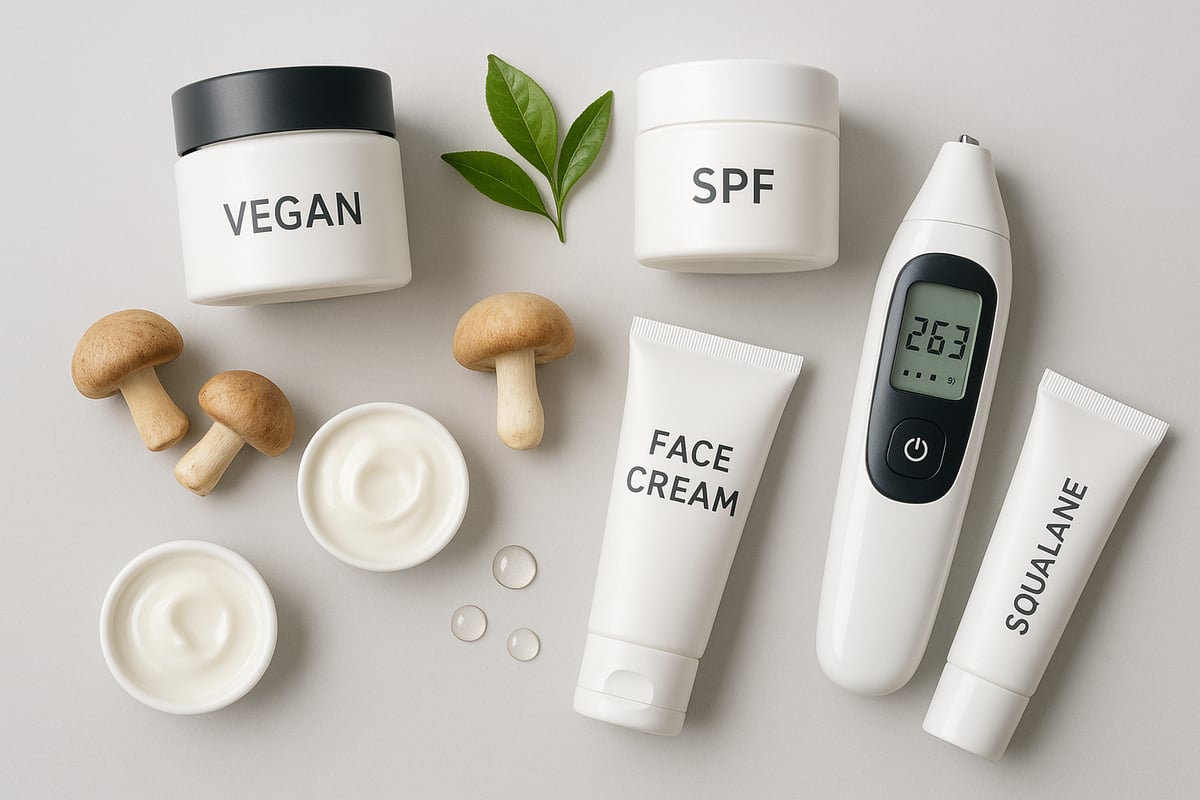
Plant-based ceramides and squalane are dominating ingredient lists, mimicking the skin’s natural barrier and boosting hydration. Adaptogens like mushroom extracts and potent superfoods such as green tea and niacinamide are making waves for their antioxidant and anti-inflammatory benefits.
Top Trending Ingredients Table:
| Ingredient | Benefit | Who Should Use It? |
|---|---|---|
| Bioengineered Peptides | Collagen support, firmness | Mature, aging skin |
| Encapsulated Retinol | Smoother texture | Sensitive, aging, uneven tone |
| Plant Ceramides | Barrier repair | Dry, sensitive, all skin types |
| Squalane | Lightweight moisture | Oily, combination, sensitive |
| Mushroom Extracts | Calm, hydrate, protect | Redness-prone, stressed skin |
| Niacinamide | Brighten, reduce pores | Dull, acne-prone, uneven tone |
New ingredients mean the cream on your face can now address concerns with greater precision and less irritation.
Clean Beauty and Sustainability Trends
Consumers are demanding more than just results from the cream on your face—they want ethical and eco-friendly formulas. COSMOS-certified brands are leading the charge, guaranteeing clean ingredients and sustainable practices. Refillable packaging and biodegradable formulas are becoming standard, reducing waste and environmental impact.
Transparency is key. Brands now disclose full ingredient sourcing and avoid greenwashing, so you know exactly what’s in the cream on your face. The shift towards vegan, cruelty-free, and allergen-label free creams is more than a fad—it’s a movement shaping the entire industry.
Curious about COSMOS certification and why it matters for the cream on your face? You’ll find more brands proudly displaying this seal in 2025, making it easier to shop with confidence.
Personalized and AI-Driven Skincare
Imagine the cream on your face being custom-blended just for you. In 2025, personalized skincare is taking off, thanks to AI-powered skin analysis apps and at-home testing kits. These tools assess your skin’s unique needs—hydration levels, sensitivity, pigmentation—and recommend or even mix the perfect formula.
Some brands offer subscription services that adjust your cream on your face as your skin changes with the seasons or your lifestyle. This level of personalization means no more guessing which ingredients work best.
With the rise of digital diagnostics, using the right cream on your face has never been more precise or effective. Are you ready to let technology upgrade your glow?
Data: Market Trends and Consumer Preferences
The numbers say it all: people are getting smarter about the cream on your face. According to a recent market analysis, 68% of consumers now prefer fragrance-free creams, and 55% of new launches are vegan and cruelty-free.
Demand for SPF-infused creams is surging, as more people recognize the importance of daily sun protection. Clean beauty is not just a buzzword—it’s reflected in what’s flying off the shelves.
What does this mean for you? The cream on your face is likely to be safer, more effective, and tailored to your values. As you shop for your next jar, you’re part of a global shift toward smarter, more conscious skincare.
Expert Tips and FAQs: Getting the Most from Your Face Cream
Unlocking the full potential of cream on your face requires more than just picking a popular jar. It is about understanding best practices, troubleshooting common issues, and making smart choices for lasting results. Let us dive into dermatologist-backed advice, real-world experiences, and answers to your most burning questions.
Dermatologist-Recommended Best Practices
Consistency is the golden rule when it comes to applying cream on your face. Dermatologists recommend using your cream twice daily, morning and night, to maintain optimal hydration and protection. Adjust your routine as the seasons change; lighter creams for humid summers, richer formulas for dry winters.
Apply cream on your face after cleansing and serums, but before sunscreen during the day. This layering helps seal in active ingredients and boosts absorption. Always use gentle, upward strokes to avoid tugging the skin.
For mature skin, choosing a cream with proven anti-aging ingredients like peptides or retinol alternatives can make a noticeable difference. According to a recent anti-aging cream clinical trial, participants saw significant improvements in elasticity and wrinkle reduction within four weeks.
Remember, the right cream on your face should complement your lifestyle and environment. Adapt as your skin changes with age or climate.
Troubleshooting Common Issues
Sometimes, even the best cream on your face can cause unexpected reactions. If you notice breakouts or irritation, pause and review your ingredient list. Adjusting to new actives can cause temporary purging, but persistent redness or discomfort means it is time to stop and reassess.
Sensitive skin users should look for fragrance-free, minimal-ingredient formulas. Patch test any new cream on your face before full application. If issues persist, consult a dermatologist for tailored advice.
For those with allergy-prone or reactive skin, consider exploring Dermatologically Tested Creams for Sensitive Skin. These products are formulated to minimize irritation while still delivering effective hydration.
Never hesitate to seek professional help if you experience severe or stubborn symptoms.
Frequently Asked Questions
Can you wear cream on your face under makeup?
Absolutely. Most modern creams are designed to layer well under foundation, providing a smooth, hydrated base.
How soon will you see results?
Expect visible improvements in hydration and texture within two to four weeks. Clinical studies, such as the anti-aging cream clinical trial, show significant progress in a month.
Should you switch creams every few months?
Not necessarily. Stick with what works, but reassess if your skin's needs change due to age, climate, or lifestyle.
Are expensive creams always better?
Price does not always equal performance. Focus on ingredient quality and compatibility with your skin type for the best results from cream on your face.
Real-World Examples and User Experiences
Real people have found transformative results with the right cream on your face. For example, a user with sensitive, redness-prone skin switched to a dermatologist-tested, fragrance-free cream and reported dramatic relief within weeks.
Another case involves someone with mature skin who, after adding a peptide-rich cream on your face, noticed smoother texture and improved elasticity. Acne-prone users have also seen fewer breakouts after choosing non-comedogenic, lightweight creams.
According to a recent survey, 90 percent of users reported higher satisfaction when their cream was tailored to their unique skin type and needs.
Maximizing Value and Longevity of Your Cream
To get the most from every jar of cream on your face, store it in a cool, dry place away from direct sunlight. Always check expiration dates, and avoid using products that have changed color, smell, or consistency.
Scoop out product with clean hands or a spatula to prevent contamination. Use only the recommended amount to avoid waste and ensure even coverage every time you apply cream on your face.
Recognize signs of spoilage and do not hesitate to replace old products. With these simple habits, you can extend the life and efficacy of your cream on your face, ensuring radiant, healthy skin day after day.
Face Cream Myths, Mistakes, and What to Avoid in 2025
Unlocking the full potential of cream on your face starts with separating fact from fiction. Many skincare routines fall short not because of bad intentions, but due to persistent myths, avoidable mistakes, and outdated advice. Let’s clear the air and set your path straight for 2025.
Debunking Common Myths
Think oily skin doesn’t need cream on your face? Think again. Skipping moisturizer can trigger even more oil production, leaving skin unbalanced. Another myth suggests that natural products are always safer, but even botanical ingredients can cause irritation or allergies.
Many believe that the more cream on your face, the better the results. In reality, over-applying can clog pores or waste product without added benefit. Instead, focus on quality and consistency, not quantity. These misconceptions can prevent you from achieving healthy, glowing skin.
Mistakes That Can Sabotage Your Skincare
Even the best cream on your face can’t work miracles if you make simple mistakes. Using expired or contaminated creams introduces bacteria, risking breakouts and irritation. Skipping patch tests is another common pitfall, especially with new or active ingredients.
Some people avoid moisturizer during breakouts, thinking it will make things worse. In fact, the right cream on your face can help restore balance and speed up recovery. Remember to clean hands and tools before application to avoid introducing unwanted germs.
What to Avoid in 2025
The world of face creams is evolving, and so should your routine. Outdated ingredients like parabens and synthetic fragrances can trigger sensitivities in many users. Watch for greenwashing, where brands claim to be clean without real transparency or certification.
Overly complex routines with too many products can overwhelm your skin, leading to stress and irritation. Instead, seek out options with clear credentials, like those explained in Why COSMOS Certification Matters for Your Skin, to ensure your cream on your face is safe and effective.
Data and Insights
Let’s look at the numbers. Did you know that 40% of skincare users admit to skipping moisturizer, a habit linked to increased sensitivity and dullness? Dermatologists consistently warn against using body products as cream on your face, since thicker formulas may clog delicate facial pores.
Scientific studies, such as those found in recent anti-aging cream efficacy research, show that properly formulated creams can deliver visible improvements when used correctly. Consistency, quality, and a tailored approach make all the difference.
Pro Tips for Staying Informed
In 2025, staying ahead means being an informed consumer. Always read ingredient lists and look for certifications that match your values. Follow reputable dermatology sources for the latest research on cream on your face and avoid falling for influencer hype.
Join skincare communities to learn from real experiences and ask questions. Bookmark resources on clean beauty, like the COSMOS certification, to help you choose trustworthy products. Smart choices today mean healthier skin tomorrow.


