


Ultimate Guide to Skin Care for Mature Skin in 2026
Mature skin isn’t just about aging, it’s about embracing change and empowering your glow at every stage of life. If you’re searching for expert skin care for mature skin, you’ve come to the right place.
This 2026 guide is packed with science-backed, step-by-step strategies to help your skin look and feel its healthiest. You’ll discover the latest anti-aging ingredients, a chronological skin care routine, and the benefits of choosing toxin-free, fragrance-free products.
We’ll share tips for sensitive skin, real-life examples, and proven methods for radiant results. Ready to transform your skin? Let’s dive in.
Understanding Mature Skin in 2026: Key Changes and Concerns
As we move into 2026, skin care for mature skin is about understanding transformation, not simply battling age. Recognizing the changes and concerns unique to mature skin empowers you to make confident, healthy choices. Let’s break down what really happens, the most common struggles, what speeds up aging, and why today’s solutions are genuinely different.
What Happens to Skin as We Age?
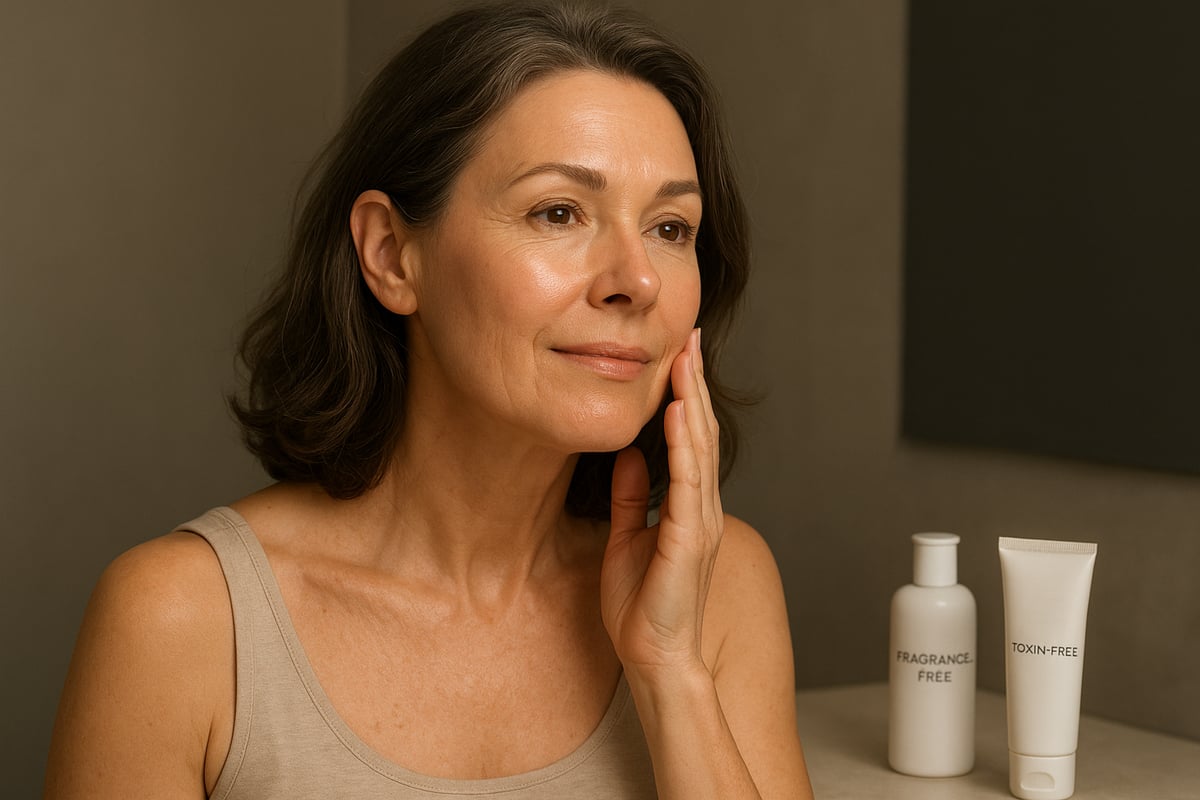
As we age, skin care for mature skin must adapt to biological shifts. Collagen and elastin fibers gradually weaken, which can cause sagging and deeper wrinkles. Cell turnover slows, resulting in a duller complexion and uneven texture. The skin’s protective barrier becomes thinner, making it more sensitive to irritants and environmental stressors. Natural oil production drops, so dryness and flakiness become more frequent.
For example, many people notice that after age 50, fine lines deepen, and healing from small cuts or blemishes takes longer. These subtle changes signal it’s time to rethink your routine and prioritize gentle, effective care.
Common Skin Concerns for Mature Skin
Those seeking skin care for mature skin often report new concerns emerging in their 50s and beyond. Fine lines, wrinkles, and a loss of firmness top the list. Age spots, hyperpigmentation, and an uneven skin tone can appear more prominent. Dryness, dehydration, and rough patches may develop seemingly overnight. Sensitivity increases too, with more people experiencing redness or reactivity.
Dermatologists have noted a 30% rise in sensitivity complaints among people over 50, as highlighted in Allure. This makes it crucial to choose products that address these needs without harsh chemicals or fragrances.
Factors Accelerating Skin Aging
Several lifestyle and environmental factors can make skin care for mature skin even more challenging. Daily sun exposure without SPF protection leads to faster collagen breakdown and pigmentation issues. Pollution and oxidative stress are major contributors, as are poor diet, chronic stress, and lack of sleep. Using harsh, chemical-heavy products can further damage the skin barrier.
For instance, someone who skipped sunscreen for years may now see increased pigmentation and stubborn dark spots. Avoiding these triggers and making mindful choices can slow the aging process and support a more radiant complexion.
Why 2026 Skincare Solutions Are Different
Skin care for mature skin in 2026 is evolving, with a shift toward clean, toxin-free, and personalized routines. Consumers demand fragrance-free and allergen-free products that are gentle and effective. There’s a surge in plant-based actives designed for sensitivity and a focus on skin wellness rather than just anti-aging.
According to industry surveys, 65% of mature-skinned individuals now seek out clean beauty options. For more on these emerging solutions, explore the Women's Health on 2026 Skincare Trends, which highlights new products and trends tailored for radiant, healthy mature skin.
Step-by-Step Skincare Routine for Mature Skin: 2026 Edition
Ready to elevate your skin care for mature skin? Let’s break down a modern, science-backed daily routine that delivers comfort, radiance, and resilience. Each step is designed with sensitivity, toxin-free formulas, and real-life success in mind.
Step 1: Gentle Cleansing
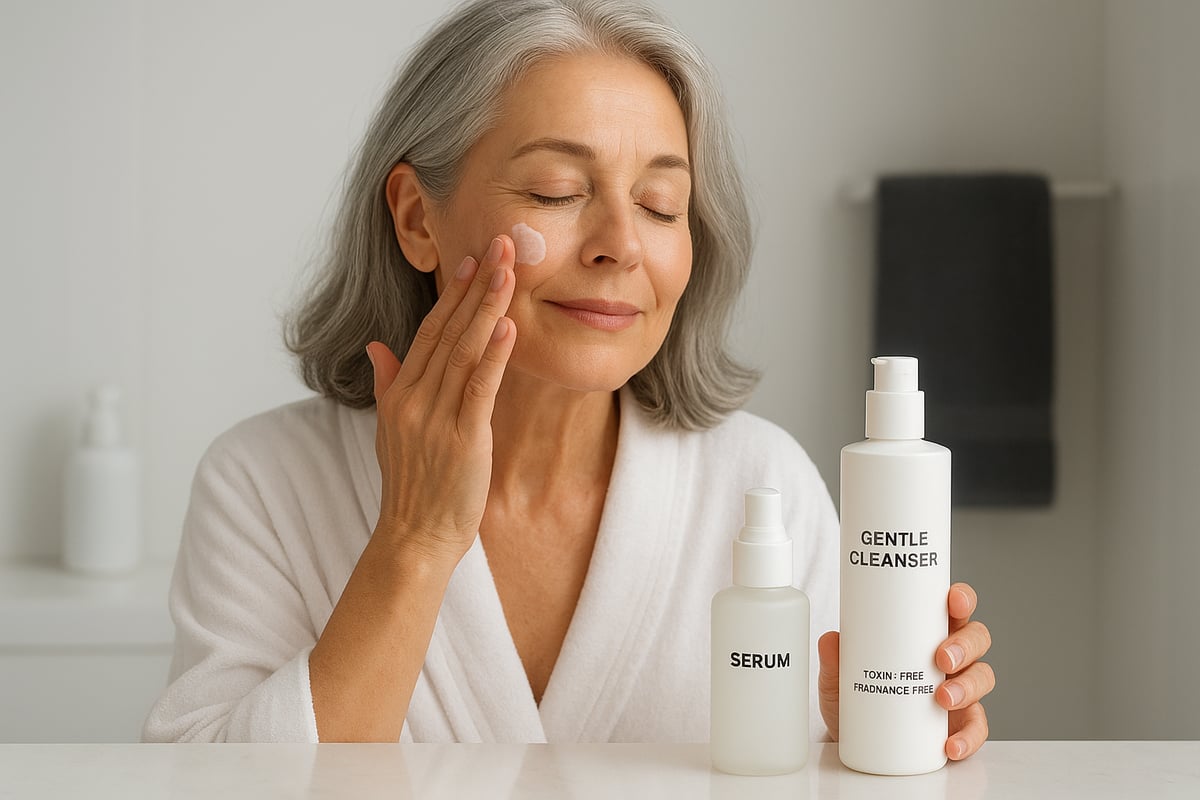
The first step in effective skin care for mature skin is a gentle, hydrating cleanse. As skin ages, the barrier thins and becomes more sensitive, so harsh surfactants and sulfates can do more harm than good.
Switch to a non-stripping cleanser with soothing ingredients like glycerin or aloe vera. Oil-to-milk and micellar formulas are excellent for dissolving impurities without leaving skin tight or red.
A 60-year-old client noticed her redness and dry patches faded within weeks after replacing her foaming cleanser with a creamy, toxin-free option. Sensitive skin? Always patch test and choose products labeled for delicate skin.
Step 2: Targeted Treatment Serums
Next, boost your skin care for mature skin with targeted serums. Vitamin C brightens and supports collagen, while peptides deliver firmness and elasticity. Hyaluronic acid deeply hydrates, and niacinamide repairs the barrier and evens tone.
Introduce one new serum at a time. Sensitive skin responds best to gradual changes and lower concentrations at first.
A client saw brighter, more even skin after adding a gentle vitamin C serum to her morning routine. For a curated selection of effective solutions, explore the Anti-Aging Skincare Collection.
Step 3: Moisturizing for Resilience
Lock in hydration with a fragrance-free, toxin-free moisturizer. This step is vital in any skin care for mature skin regimen, especially for those with heightened sensitivity.
Look for creams rich in ceramides and omegas, which fortify the barrier and soothe irritation. Layer a lightweight gel under a richer cream to maximize hydration without heaviness.
One real-life example: a client’s flaky skin became smoother and calmer after switching to a double hydration routine with toxin-free products. Avoid chemical-laden moisturizers, as they can trigger irritation or allergic reactions.
Benefits of Toxin-Free Moisturizers:
- Fewer flare-ups and allergies
- Improved skin comfort
- Enhanced long-term resilience
Step 4: Sun Protection Every Morning
No skin care for mature skin routine is complete without sun protection. Apply a broad-spectrum mineral SPF 30+ every morning—even on cloudy days. Mineral sunscreens are less likely to sting or irritate sensitive, mature skin.
Make reapplication easy by keeping a brush-on mineral powder SPF in your bag. One client with sensitive skin found that switching to a mineral-based sunscreen reduced redness and stinging, letting her enjoy the outdoors again.
Tip: Use hats and sunglasses as extra defense, and remember to apply SPF to your neck and hands too.
Step 5: Nighttime Renewal and Repair
Nighttime is when skin care for mature skin works its magic. Use a gentle retinol or bakuchiol serum to boost cell turnover and soften wrinkles. Peptide and growth factor serums help repair and rejuvenate overnight.
Opt for toxin-free, fragrance-free night creams to avoid irritation and support restful sleep. Synthetic fragrances can disrupt sleep and cause sensitivity.
A 65-year-old client reported smoother, more elastic skin after three months of using a bakuchiol serum nightly. Sensitive skin? Start with bakuchiol, which is milder than traditional retinol.
Step 6: Weekly Exfoliation and Special Care
Round out your skin care for mature skin with weekly gentle exfoliation. Enzyme or lactic acid exfoliants dissolve dead skin without scrubbing or micro-tears.
Apply a hydrating, plant-based mask once a week to restore moisture and calm. Spot treatments for pigmentation or rough patches give you targeted results.
A client with mature, sensitive skin saw her glow return after adding a weekly lactic acid exfoliation and soothing mask. Avoid harsh scrubs and over-exfoliating, which can disrupt the skin barrier and trigger sensitivity.
Table: Toxin-Free vs. Chemical-Laden Products
| Benefit | Toxin-Free | Chemical-Laden |
|---|---|---|
| Irritation Risk | Low | High |
| Barrier Support | Strong | Weak |
| Fragrance-Free Options | Abundant | Limited |
| Long-Term Suitability | Excellent | Often Poor |
Sensitive Mature Skin: Tips, Real-Life Strategies, and Toxin-Free Care
Sensitive mature skin brings unique challenges, but it can also be transformed with the right approach. If your skin reacts more than it used to, you are not alone. Many discover that as they age, their skin care for mature skin needs a gentler, more thoughtful routine. Let us explore step-by-step strategies, real-life examples, and why toxin-free care makes all the difference.
How to Identify and Care for Sensitive Mature Skin
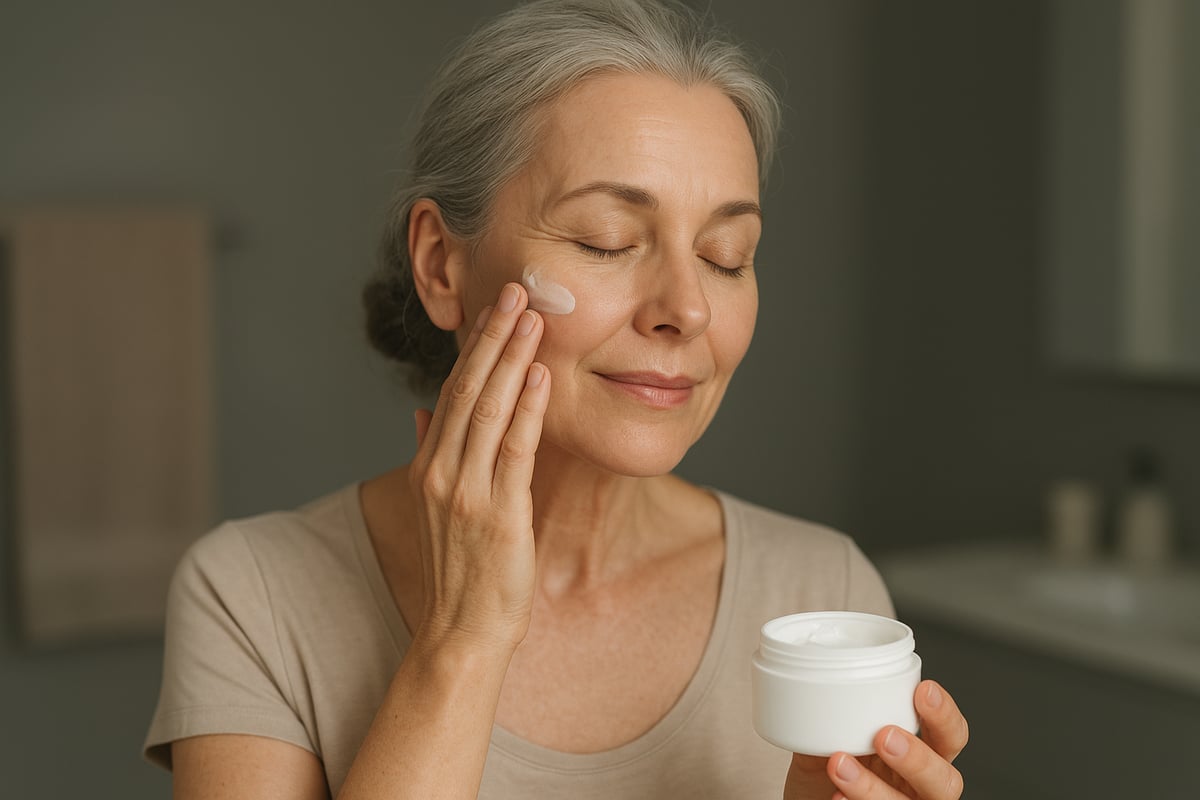
Does your skin feel red, sting, or become flaky after using new products? These are classic signs that your skin care for mature skin routine needs adjustment for sensitivity. Many experience increased reactivity after menopause or as the skin barrier thins with age.
Patch testing is crucial. Dab a small amount of any new product on your inner arm or jawline, then wait 24 hours. If there is no reaction, it is likely safe. Avoiding known irritants, such as synthetic fragrances, drying alcohols, and harsh preservatives, can make a world of difference.
For more details on which ingredients to skip, see this helpful guide on Ingredients to Avoid with Sensitive Skin.
One client, recently postmenopausal, found relief and comfort by switching her skin care for mature skin to allergen-free, gentle formulas. Her redness and stinging faded, and her confidence returned.
Toxin-Free Skincare: Benefits and Best Practices
Toxin-free skin care for mature skin means choosing products free from harsh chemicals, parabens, phthalates, and artificial colors. Why does it matter? Sensitive mature skin is more likely to become inflamed or develop allergies from chemical-laden formulas.
Benefits of toxin-free routines include:
- Reduced inflammation and flare-ups
- Fewer allergic reactions
- Improved long-term skin health
A 55-year-old client who switched her skin care for mature skin to toxin-free products noticed her complexion became calmer and more resilient over time. On the other hand, using chemical-heavy creams led to frequent irritation and persistent dryness.
| Toxin-Free Skincare | Chemical-Laden Skincare | |
|---|---|---|
| Irritation Risk | Low | High |
| Allergy Risk | Low | Higher |
| Long-Term Effect | Supports barrier | Can weaken barrier |
The Importance of Fragrance-Free Formulations
Fragrance is often the hidden culprit behind redness, itching, and dermatitis in skin care for mature skin. Synthetic scents can trigger eczema, especially in sensitive individuals.
Fragrance-free products mean less risk of irritation and are ideal for daily use. One client with lifelong eczema saw her flare-ups disappear after removing all fragranced creams from her skin care for mature skin regimen.
Benefits include:
- Calm, comfortable skin
- Fewer allergic reactions
- Enhanced suitability for mature, sensitive skin
If you notice unexplained irritation, try switching to fragrance-free options for your skin care for mature skin and observe the transformation.
Step-by-Step Tips for Sensitive Mature Skin
Sensitive mature skin thrives with a simple, mindful approach. Here are step-by-step tips for building a safe and soothing skin care for mature skin routine:
- Always patch test new products
- Introduce one new product at a time
- Use products labeled for sensitive or allergic skin
- Choose formulas with short, simple ingredient lists
- Cleanse with lukewarm water
- Avoid over-exfoliation and strong actives unless tolerated
Following these steps, many find their skin care for mature skin becomes a source of comfort, not stress. For example, a client who started patch testing and simplified her routine saw her sensitivity decrease within weeks.
Real-Life Examples and Success Stories
Success stories show the power of the right skin care for mature skin. A 62-year-old client adopted a toxin-free, fragrance-free routine and found her skin smoother and visibly calmer.
Another client documented her journey with weekly photos. After three months on a sensitive-skin protocol, she saw a reduction in redness and fine lines.
A spa case study revealed that mature clients using only plant-based, COSMOS-certified products experienced improved hydration and resilience. These real-world examples prove that thoughtful, toxin-free skin care for mature skin delivers radiant, lasting results.
Must-Have Ingredients for Mature Skin in 2026: What Works and What to Avoid
Unlocking radiant, resilient skin starts with knowing exactly what goes into your routine. In 2026, ingredient choices matter more than ever, especially for anyone seeking effective skin care for mature skin. Let’s break down what truly works, what to avoid, and how to keep your complexion healthy, calm, and glowing.
Science-Backed Ingredients for Radiant Mature Skin
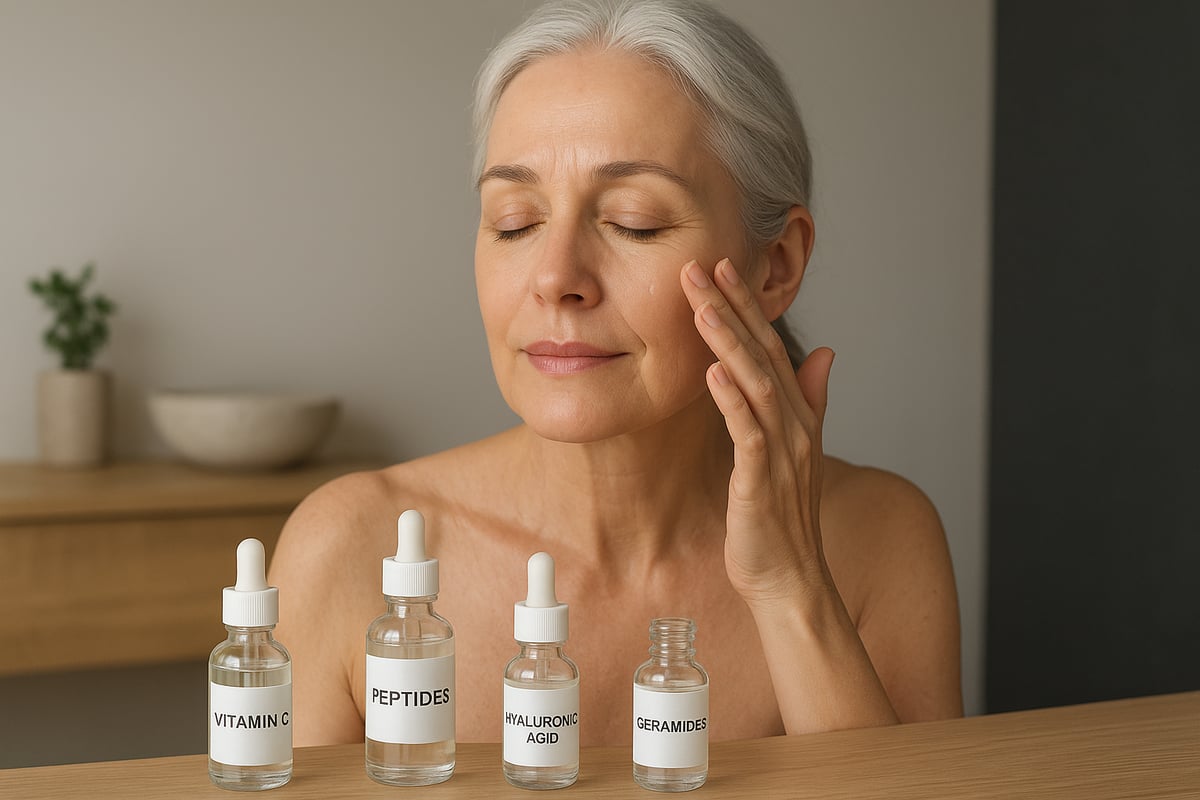
The best skin care for mature skin blends proven actives with gentle delivery. Retinol and its plant-based alternative, bakuchiol, are top picks for boosting cell turnover and smoothing wrinkles. Both help firm and revitalize without harsh side effects. Curious which is right for you? Dive deeper with this Retinol vs. Bakuchiol Guide.
Peptides support collagen and elasticity, while vitamin C brightens and shields against daily stress. Hyaluronic acid deeply hydrates, plumping fine lines, and ceramides with niacinamide calm and repair the barrier. Real-life: A client in her 60s noticed firmer, more luminous skin after adding peptides and vitamin C to her routine.
Toxin-Free and Plant-Based Actives: Why They Matter
Choosing toxin-free skin care for mature skin protects your barrier and reduces inflammation. Plant-based actives like calendula, chamomile, and aloe offer soothing benefits and are less likely to cause irritation. They avoid parabens, phthalates, and harsh preservatives that can trigger flare-ups.
Sensitive skin clients often report fewer reactions and greater comfort after switching to clean, plant-based products. For example, a 58-year-old saw calmer, more hydrated skin within one month of adopting a toxin-free regimen.
Ingredients and Chemicals to Avoid
If you want the best skin care for mature skin, steer clear of synthetic fragrances, drying alcohols, SLS/SLES, and parabens. Harsh exfoliants and aggressive acids can weaken your barrier, while petroleum-based ingredients may suffocate your skin and cause breakouts.
Sensitive skin especially benefits from skipping these chemicals. A client who switched from a perfumed cream to a fragrance-free option saw a dramatic reduction in redness and irritation within weeks.
The Disadvantages of Chemical-Laden Products
Chemical-heavy skin care for mature skin often leads to allergic reactions, persistent redness, and long-term sensitivity. Some common additives, like parabens and phthalates, are linked to hormone disruption and can accelerate visible aging.
Many mature clients share stories of stubborn irritation that only resolved after removing chemical SPF and switching to mineral-based sun protection. These changes not only eased discomfort but also helped restore a healthy, resilient complexion.
Benefits of No Synthetic Fragrances and Clean Formulations
Fragrance-free, clean skin care for mature skin offers tangible benefits: reduced risk of dermatitis and eczema, better daily comfort, and improved skin resilience. Simpler formulas suit even the most sensitive complexions.
Clients who committed to fragrance-free routines found fewer flare-ups and a more even skin tone. For those with allergies or sensitivities, clean formulas make daily self-care a pleasure instead of a challenge.
Pro-Aging Lifestyle: Supporting Mature Skin Beyond Topicals
Embracing a pro-aging lifestyle means seeing skin care for mature skin as more than just what you apply topically. Your daily habits, nutrition, movement, and self-care rituals can dramatically influence how your skin looks and feels. Let’s explore how to nurture your glow from the inside out.
Nutrition and Hydration for Skin Health
What you eat and drink plays a vital role in skin care for mature skin. Antioxidant-rich foods like berries, leafy greens, and nuts help protect against free radical damage and boost your skin’s natural defenses. Hydration is equally essential, so aim for at least eight glasses of water each day to keep your skin supple and resilient.
Cutting back on sugar and processed foods can minimize glycation, which can speed up visible aging. One client saw brighter, more even-toned skin after adding more omega-3-rich foods like walnuts and salmon to her meals. Small, mindful changes like these can make a visible difference in your skin’s radiance.
Sleep, Stress, and Skin Resilience
Quality rest is a secret weapon in skin care for mature skin. Aiming for seven to nine hours of sleep each night gives your skin time to repair and renew. When stress creeps in, it can trigger flare-ups and increase sensitivity, so managing stress is essential.
Simple habits like nightly meditation, deep breathing, or gentle yoga can help. One woman in her late 50s noticed fewer stress-induced breakouts and calmer skin after adding daily mindfulness sessions to her routine. Remember, prioritizing rest and relaxation is just as important as your best serum.
Environmental Protection and Self-Care
Daily protection from the elements is crucial in skin care for mature skin. Shielding your skin with SPF, wearing hats, and using sunglasses helps prevent UV damage and pigmentation. In cities, air purifiers and antioxidant serums can protect against pollution.
Self-care is also about choosing toxin-free and fragrance-free products to minimize irritation. According to Mintel's 2026 Global Beauty Predictions, holistic wellness and clean beauty are now top priorities for mature consumers. A client living in a busy city saw less redness and more comfort after switching to a fragrance-free, mineral-based sunscreen.
The Role of Gentle Exercise and Movement
Movement supports overall skin care for mature skin by boosting circulation and delivering nutrients to skin cells. Gentle activities like walking, stretching, and yoga are ideal, as they increase blood flow without triggering redness or sensitivity.
One client in her 60s committed to daily walks and light stretches, reporting a noticeable glow and improved skin tone within weeks. High-intensity workouts can sometimes cause flushing, so listen to your skin and choose what feels best. Consistency and joy in movement are key for long-term skin health.
Frequently Asked Questions About Mature Skin Care in 2026
Navigating skin care for mature skin can feel overwhelming, especially with new advances and ingredient trends popping up each year. Here, we answer the most common questions to help you build a routine that’s gentle, effective, and tailored to your unique needs.
What is the Best Routine for Mature, Sensitive Skin?
The best skin care for mature skin is a step-by-step routine that emphasizes gentleness and consistency. Start with a hydrating, fragrance-free cleanser. Follow with a targeted serum—think vitamin C for brightening or peptides for firming. Use a rich, toxin-free moisturizer to lock in hydration. Every morning, finish with a mineral sunscreen SPF 30+ for crucial protection. At night, add a gentle retinol or bakuchiol serum for renewal.
Step-by-step guide:
- Gentle cleanse
- Targeted serum
- Moisturizer
- Sun protection (AM)
- Night repair (PM)
Real-life example: A 60-year-old client simplified her routine and saw smoother, calmer skin in just eight weeks. For more on sun protection, explore this Mineral vs Chemical Sunscreen guide.
How Can I Tell if a Product is Truly Toxin-Free?
Identifying toxin-free skin care for mature skin means looking beyond clever marketing. Start by checking for certifications like COSMOS or EWG, which guarantee strict ingredient standards. Always read the ingredient list—avoid products with parabens, phthalates, and synthetic fragrances. Brands committed to transparency often publish their full ingredient lists and allergen information.
Tips for finding toxin-free products:
- Look for third-party certifications
- Read labels carefully
- Choose brands with clear ingredient transparency
A real-life example: One mature client only purchased products with COSMOS certification, which gave her peace of mind and reduced her skin reactivity.
Are Natural and Plant-Based Products Effective for Mature Skin?
Absolutely. Modern skin care for mature skin harnesses the power of plant-based actives like bakuchiol, niacinamide, and hyaluronic acid. These ingredients are clinically proven to support hydration, brighten, and improve elasticity without harsh side effects.
Benefits of plant-based care:
- Gentler on sensitive skin
- Fewer allergic reactions
- Support for long-term skin health
A 58-year-old client switched to a plant-based serum and noticed brighter, smoother skin within a month. Natural formulas can deliver results that rival their synthetic counterparts.
What Should I Avoid If My Skin Is Both Mature and Sensitive?
If your skin care for mature skin must also address sensitivity, avoid strong fragrances, harsh exfoliants, and alcohol-based products. Be cautious with “anti-aging” products containing aggressive actives. Instead, choose gentle, hydrating, and barrier-repairing formulas.
Tips for sensitive skin:
- Patch test every new product
- Opt for short, simple ingredient lists
- Avoid over-exfoliation
- Use lukewarm water for cleansing
Chemical-laden products can increase irritation and chronic sensitivity. One client eliminated fragranced creams and switched to mineral sunscreen, which significantly reduced flare-ups. Learn more about sun protection choices in this Mineral vs Chemical Sunscreen guide.
Chronological Guide: Building Your 2026 Mature Skin Routine Step by Step
Building an effective skin care for mature skin routine in 2026 means focusing on gentle, targeted steps. Following a consistent, chronological approach helps you achieve healthy, resilient, and radiant skin while minimizing irritation and maximizing results. Let’s break down each part of the routine with real-life insights and practical tips.
Morning Routine: Protect and Hydrate
Start your morning skin care for mature skin routine with a gentle, hydrating cleanser. This helps remove overnight buildup without stripping your barrier. Next, apply an antioxidant serum—look for vitamin C or niacinamide to protect from environmental stress.
Choose a fragrance-free, toxin-free moisturizer with ceramides for deep hydration and resilience. Finish with a mineral SPF 30 or higher. Mineral sunscreens are ideal for sensitive mature skin, as they reduce the risk of redness and stinging. One client noticed brighter, more even-toned skin after six months of daily SPF and antioxidants.
Sensitive skin tips:
- Use lukewarm water when cleansing.
- Opt for simple, short ingredient lists.
- Always patch test new products.
Evening Routine: Repair and Rejuvenate
Your evening skin care for mature skin routine is all about repair. Start by gently removing makeup with an oil-to-milk or micellar cleanser. Next, use a peptide serum or a gentle retinol/bakuchiol formula to boost cell renewal and firmness.
Layer a hydrating gel followed by a rich, fragrance-free night cream for overnight moisture. If your skin is sensitive, choose bakuchiol over retinol and avoid strong actives. Try an overnight mask once a week for extra nourishment. A 65-year-old client saw firmer, smoother skin after three months of consistent nighttime peptide use.
Sensitive skin tips:
- Avoid alcohol-heavy cleansers.
- Introduce new actives slowly.
- Skip synthetic fragrances to reduce irritation.
Weekly and Monthly Special Care
Weekly care keeps your skin glowing. Gently exfoliate once a week with an enzyme or lactic acid product—never use abrasive scrubs. Follow with a hydrating or barrier-repair mask packed with plant-based ingredients like aloe or chamomile.
Spot treat pigmentation or rough patches as needed, using toxin-free, fragrance-free formulas. Industry trends confirm a growing demand for natural and organic products for mature skin, as detailed in GlobeNewswire on Cosmetic Skin Care Trends 2025-2030.
Sensitive skin tips:
- Exfoliate gently to avoid micro-tears.
- Use calming, fragrance-free masks.
- Monitor your skin for signs of irritation.
Adapting Your Routine to Seasonal and Hormonal Changes
Skin care for mature skin must adapt to changing seasons and hormone shifts. In winter, boost hydration with richer creams and add a humidifier to your space. In summer, switch to lighter gels and always reapply SPF.
During menopause or allergy season, monitor for new sensitivities and adjust actives accordingly. One client reduced actives during spring pollen spikes, which stopped flare-ups. Always listen to your skin and be flexible with your routine.
Sensitive skin tips:
- Increase hydration during dry months.
- Cut back on exfoliation if skin feels irritated.
- Keep a routine journal to track changes.
Tips for Consistency and Long-Term Results
Consistency is the secret to success with skin care for mature skin. Set reminders for your AM and PM routines. Keep your products visible and organized to make sticking to your regimen easy.
Take progress photos monthly to stay motivated. Adjust your products based on how your skin responds. A 60-year-old client tracked her routine for three months and saw a noticeable reduction in redness and fine lines.
Sensitive skin tips:
- Introduce one new product at a time.
- Stick to products formulated for sensitive, mature skin.
- Celebrate small improvements for lasting motivation.
After exploring the latest science-backed routines and real-life stories for mature, sensitive skin, you might be wondering where to find gentle, toxin free products that actually deliver results. I get it—navigating ingredient lists and avoiding irritants can feel overwhelming, especially when your skin deserves comfort and radiance at every stage. If you’re ready to make your skincare routine work for you in 2026, why not start with a collection crafted specifically for sensitive, mature skin? Take a look at Discover Good Intent—it’s a simple step toward the glowing, resilient skin you’ve been working for.


