


Sensitive Skin Body Guide: Expert Tips for 2026 Care
Struggling with sensitive skin body issues in 2026? You’re not alone. Millions face daily challenges like irritation, dryness, and unexpected reactions that impact comfort and confidence.
This expert guide delivers the latest, science-backed advice to help you master sensitive skin body care. You’ll uncover what causes sensitivity, learn to spot your triggers, and discover ingredient must-knows for healthy skin.
Get step-by-step routines, tips for choosing the right products, and real-life examples of what works. Ready to calm your sensitive skin body and feel your best all year? Let’s dive in.
Understanding Sensitive Skin: Causes, Signs & Triggers
Sensitive skin body is more common than ever, with millions noticing redness, dryness, or irritation after daily activities. Are you among those who can't find relief despite switching products or routines? You're not alone. Recent studies show sensitive skin is on the rise, affecting all ages and lifestyles. In fact, global research reveals that self-declared sensitive skin impacts up to 70% of women and 60% of men—making it a widespread concern in 2026. (Prevalence of self-declared sensitive skin)

What Is Sensitive Skin?
Sensitive skin body refers to skin that reacts quickly to triggers which most people tolerate easily. Typical signs include persistent redness, itching, burning, stinging, or dryness. Unlike allergic skin, which reacts to specific allergens, or reactive skin, which flares up with any stressor, sensitive skin body can display symptoms without a clear cause.
Imagine a yoga instructor breaking out in red patches after a heated class, even while using gentle fabrics. Dermatology research suggests these reactions often stem from a weakened skin barrier, making it more vulnerable to outside irritants and moisture loss.
Common Causes & Triggers
Many factors can spark sensitive skin body flare-ups. Environmental triggers include pollution, extreme weather, and UV rays. Lifestyle habits—like long, hot showers, rough towels, or stress—can also weaken the skin barrier. Chemical irritants such as sulfates, parabens, and synthetic fragrances are notorious for causing reactions.
Consider the gym-goer who notices itching and redness after sweating in tight workout gear. It's not just the sweat, but friction and harsh laundry detergents that can provoke symptoms. Data shows these triggers are so common that most people experience sensitive skin body at some point.
Tips for Sensitive Skin Body
- Use toxin-free, fragrance-free products
- Wear soft, breathable fabrics
- Limit hot showers
- Choose gentle cleansers with soothing ingredients
Recognizing Sensitive Skin Symptoms
Spotting the signs early is crucial for managing sensitive skin body. Look for persistent dryness, redness, itching, or unexplained rashes. Sometimes, reactions appear hours after contact with a trigger, making it tricky to pinpoint the cause.
Keep a simple diary to track flare-ups and possible culprits. For example, an athlete might develop eczema patches after using a new body wash. Early intervention, like switching to a gentle, oat-based cleanser, can prevent symptoms from worsening.
When to See a Dermatologist
While most sensitive skin body issues can be managed at home, certain warning signs mean it's time for professional help. These include severe reactions, swelling, or discomfort that doesn't improve with over-the-counter care. Patch testing can identify hidden allergies.
A salon client with recurring, unexplained rashes found relief only after seeing a dermatologist and switching to toxin-free, fragrance-free products. Research shows that 15% of sensitive skin body cases need expert evaluation for lasting comfort.
The 2026 Sensitive Skin Body Care Routine: Step-by-Step Guide
Caring for your sensitive skin body does not have to be complicated. With the right daily routine, you can minimize irritation, prevent flare-ups, and help your skin feel calm and comfortable every day. Let’s break down each step so you can build a gentle, effective routine for sensitive skin body care.
Step 1: Gentle Cleansing
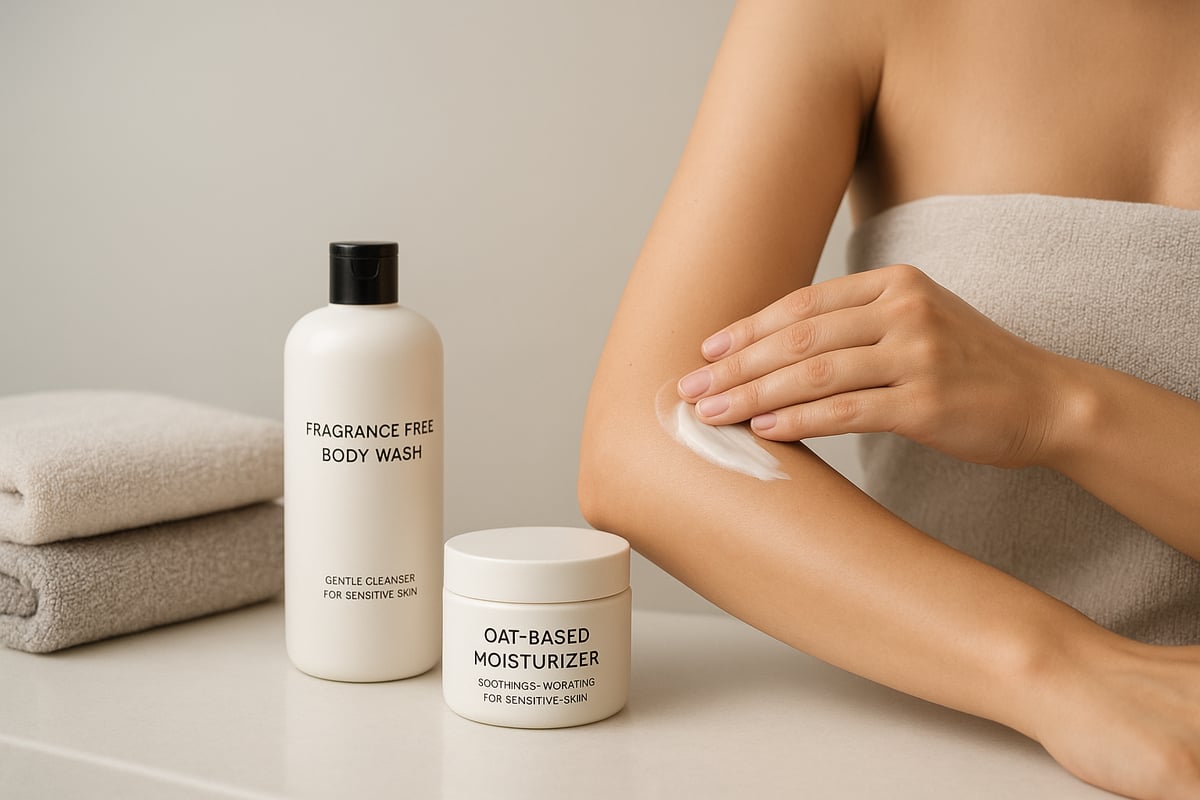
Start your sensitive skin body routine with a gentle cleanser. Use lukewarm water and avoid hot showers that can strip away moisture. Limit your shower to 5–10 minutes to prevent dryness.
Choose fragrance-free and sulfate-free cleansers. Look for oat or hemp-based formulas, like those found in gentle body care for sensitive skin, which soothe and protect. Skip loofahs and rough scrubs that may trigger sensitivity.
A spa-goer noticed fewer flare-ups after switching to an oat-based body wash and using her hands instead of a cloth. Gentle cleansing is the foundation for a happy, resilient sensitive skin body.
Step 2: Moisturizing Immediately After Cleansing
After cleansing, lock in moisture within three minutes of stepping out of the shower. This step is crucial for sensitive skin body routines because it helps seal hydration before the skin dries out.
Look for creams with oat, shea butter, ceramides, or hemp seed oil. Avoid mineral oil and petrolatum. A wellness studio client who began using a shea butter-rich lotion saw a significant reduction in dryness.
Did you know? Moisturizing right after bathing can cut dry skin risk by up to 50 percent. This simple step supports your sensitive skin body’s comfort all day.
Step 3: Protecting the Skin Barrier
Protecting your skin barrier is essential for healthy sensitive skin body care. Opt for soft, breathable fabrics like cotton to reduce friction and irritation.
Apply mineral-based, fragrance-free sunscreens before heading outdoors. Steer clear of harsh detergents and fabric softeners. One yoga teacher switched to cotton attire and noticed her skin remained calm, even after intense classes.
These small changes help shield the sensitive skin body from daily stressors, keeping it strong and less reactive.
Step 4: Managing Flare-Ups and Irritation
When your sensitive skin body reacts, quick action matters. Identify triggers, such as sweat, tight clothing, or specific products, and avoid them whenever possible.
Soothe irritation with cool compresses and anti-inflammatory creams containing oatmeal or aloe. Keep nails short to minimize scratching during flare-ups. A gym member found relief from post-exercise rashes by switching to an oat-based cream and taking cooler showers.
Data shows 91 percent of users with sensitive skin body report improved comfort after using calming products.
Step 5: Adapting to Seasonal Changes
Sensitive skin body needs change with the seasons. In winter, increase hydration by switching to richer creams. In summer, use lighter lotions and protect from harsh sun and wind.
A salon adjusted their product lineup to offer thicker moisturizers in dry months and saw fewer client flare-ups. Seasonal routines reduce flare-ups by 30 percent, allowing your sensitive skin body to stay balanced year-round.
Stay mindful of temperature and humidity, and tweak your routine for optimal skin health.
Step 6: Prioritizing Toxin-Free, Fragrance-Free Care
For the sensitive skin body, toxin-free and fragrance-free care is a game changer. Choose COSMOS-certified, vegan, and cruelty-free products. Avoid synthetic fragrances, parabens, and phthalates to lower your risk of irritation.
A sports club switched to fragrance-free amenities and noticed happier members. Benefits include fewer allergic reactions and suitability for allergy-prone users. In fact, 84 percent of sensitive skin body users prefer fragrance-free options for daily care.
Choosing clean products helps your sensitive skin body thrive without unnecessary chemicals.
Key Ingredients for Sensitive Skin: What to Use & What to Avoid
Navigating the world of sensitive skin body care starts with knowing which ingredients to embrace and which to skip. The right choices can transform daily comfort and resilience. Let’s break down what you need to look for and avoid, with real-life stories and expert-backed tips for your sensitive skin body routine.
Beneficial Ingredients for Sensitive Skin
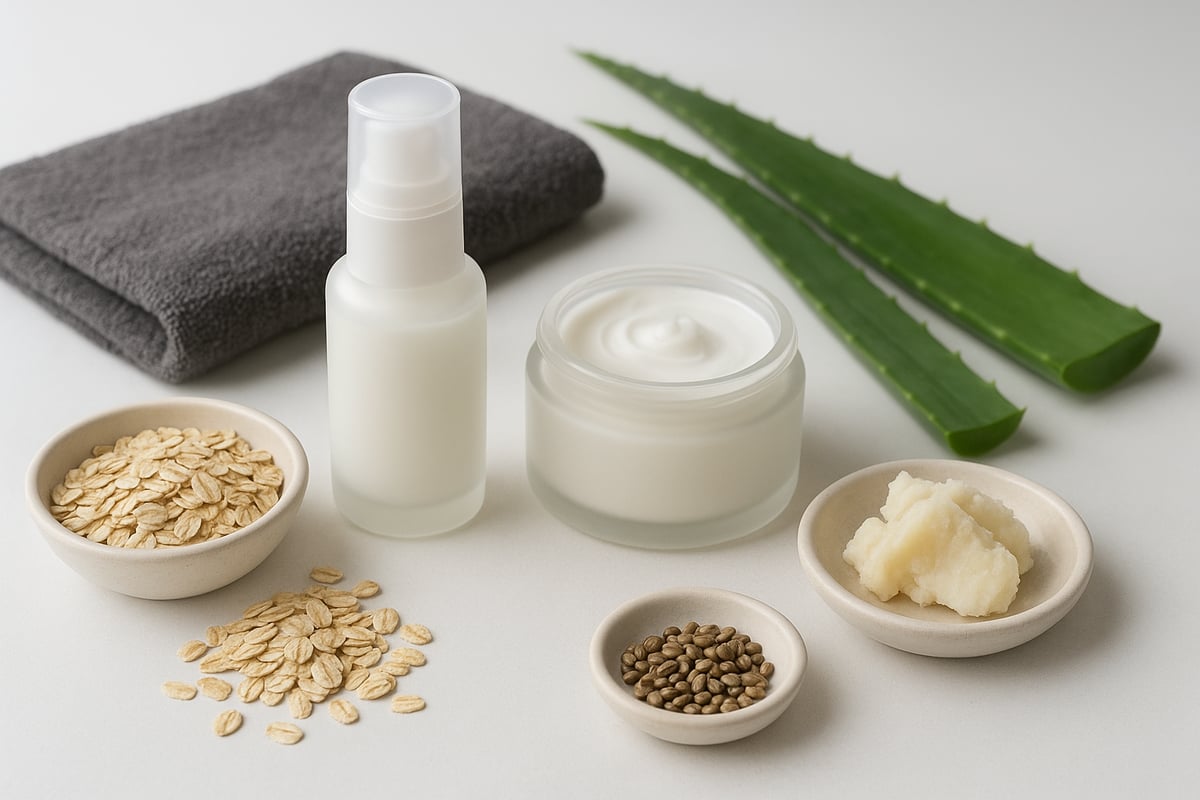
Choosing ingredients that calm and nourish is essential for a sensitive skin body routine. Oatmeal is a superstar, known for soothing irritation and locking in moisture. Shea butter brings antioxidants and deep hydration, while hemp seed oil delivers omega fatty acids to strengthen the skin barrier. Aloe vera, ceramides, and niacinamide also support a balanced, healthy sensitive skin body.
For example, a spa recently introduced oat-based treatments for clients struggling with post-workout redness. The result? Happier, less reactive skin and glowing reviews. Prioritize simple, plant-based options to keep your sensitive skin body happy.
| Beneficial Ingredients | Benefits for Sensitive Skin Body |
|---|---|
| Oatmeal | Soothes, moisturizes |
| Shea butter | Hydrates, protects |
| Hemp seed oil | Strengthens barrier, calms |
| Aloe vera | Reduces redness, cools |
| Ceramides | Repair, maintain moisture |
Ingredients to Avoid: The Hidden Irritants
For every hero ingredient, there are hidden irritants lurking in many products. Sensitive skin body care should always skip synthetic fragrances, dyes, parabens, sulfates, mineral oil, petrolatum, and harsh alcohols. These compounds can trigger rashes, dryness, and even allergic reactions.
Consider a wellness studio that eliminated products with sulfates and saw a dramatic drop in complaints about itching and redness. Want a deeper dive into what to watch out for? Check out this ingredients to avoid with sensitive skin resource for a comprehensive list and actionable tips to protect your sensitive skin body.
The Benefits of No Synthetic Fragrances
Synthetic fragrances are a top trigger for sensitive skin body irritation. By choosing fragrance-free products, you reduce the risk of contact dermatitis and allergic reactions. This is especially important for those sensitive to scents or prone to headaches.
A client at a local spa reported fewer migraines and less skin discomfort after switching to fragrance-free body care. Nearly half of all people with sensitive skin body issues say fragrance is their number one irritant. Going fragrance-free supports calm, happy skin and a more comfortable daily experience.
Toxin-Free Skincare: Why It Matters
Toxin-free skincare is more than a trend, it is a wellness essential for sensitive skin body. Fewer toxins mean a lighter load on your skin and body. Look for products that are vegan, cruelty-free, and COSMOS-certified—these are held to higher standards for purity and safety.
One yoga studio swapped all amenities to toxin-free options and saw fewer flare-ups among members. Eco-conscious, toxin-free sensitive skin body routines also help the environment. Certifications like COSMOS are a trust marker for those seeking safe, gentle care.
Real Life Ingredient Swap Examples
Small changes can make a huge difference for sensitive skin body health. An athlete ditched perfumed lotions for a shea butter and oat formula, noticing less itching after training. A spa client swapped a harsh SLS body wash for a gentle oat-based cleanser and saw smoother skin within weeks.
A local gym replaced fragranced soaps with fragrance-free alternatives, leading to an 87% satisfaction rate among members. These real-life swaps prove that mindful ingredient choices can transform the sensitive skin body experience.
Choosing the Right Products: Sensitive Skin Body Essentials for 2026
Choosing the right products for your sensitive skin body is more than just picking up the latest trending lotion. It requires careful attention to labels, ingredients, and certifications that guarantee safety and comfort. In 2026, consumers are more empowered than ever to make smart choices for their sensitive skin body, focusing on toxin-free, fragrance-free, and gentle solutions.

How to Read Labels for Sensitive Skin
Reading product labels is a crucial first step in caring for your sensitive skin body. Always look for "fragrance-free" rather than "unscented," since unscented products may still contain masking agents that can irritate sensitive skin body.
Check for trusted certifications like vegan, cruelty-free, or the gold standard: COSMOS certification for sensitive skin. These ensure products meet strict safety and purity standards. Be wary of greenwashing, where brands use misleading claims that sound natural but aren't substantiated.
Label Reading Tips:
- Review the full ingredient list, not just the marketing claims.
- Prioritize short, simple ingredient lists.
- Compare options side by side in-store by checking for hidden irritants.
A spa owner recently switched all body care amenities to certified, fragrance-free products after clients with sensitive skin body reported fewer reactions.
Selecting Body Washes & Cleansers
Gentle cleansing is the foundation of every sensitive skin body routine. Opt for body washes with oat, aloe, or other soothing ingredients and skip soap-based or foaming cleansers that can strip the skin barrier. Look for formulas labeled sulfate-free, as sulfates can worsen dryness and irritation for sensitive skin body.
Step-by-Step Guide:
- Choose a creamy, non-foaming cleanser.
- Use lukewarm water, not hot.
- Limit shower time to 5–10 minutes.
A wellness studio replaced their old body washes with gentle, oat-based cleansers, resulting in fewer complaints from clients with sensitive skin body. In fact, 91% of users saw less dryness after making the switch.
Finding the Best Moisturizers
For optimal sensitive skin body care, rich creams are preferable over lighter lotions. Key ingredients to look for include oat, shea butter, hemp seed oil, and ceramides, all of which help restore and protect the skin barrier. Avoid mineral oil and petrolatum, which can trap heat and aggravate sensitive skin body.
A client at a local wellness studio saw dramatic improvement after switching to a shea butter-rich cream, reporting 48-hour hydration and relief from persistent dryness. Always apply moisturizer within three minutes after bathing to lock in moisture for your sensitive skin body.
Sunscreen & Aftercare for Sensitive Skin
Sun protection is non-negotiable for every sensitive skin body routine. Mineral sunscreens with zinc oxide or titanium dioxide are the safest bet, as they sit on top of the skin and reflect UV rays without causing irritation. Steer clear of chemical filters like oxybenzone and avobenzone, which are common triggers for sensitive skin body reactions.
At a sports club, members with sensitive skin body started using only mineral-based, fragrance-free sunscreens and noticed fewer flare-ups. Remember to reapply every two hours during outdoor activities for full protection.
The Disadvantages of Chemical Products
Chemical-laden products pose significant risks for your sensitive skin body. Ingredients like synthetic fragrances, parabens, and harsh preservatives are linked to increased irritation, allergic reactions, and long-term barrier damage.
A salon client developed redness and stinging after using a body lotion packed with chemical additives, prompting a switch to toxin-free, fragrance-free alternatives. Choosing clean, gentle products for your sensitive skin body not only reduces the risk of flare-ups but also supports long-term skin health.
Real-Life Examples & Expert Tips: Sensitive Skin in Action
Struggling with sensitive skin body care can feel overwhelming, but real stories show that positive change is possible. Take Mia, a yoga teacher who battled redness and itching after every class. By switching to fragrance-free oat-based cleansers and toxin-free moisturizers, she found relief and renewed confidence. An athlete, Alex, swapped his perfumed lotion for shea butter and oat formulas, which dramatically reduced post-workout rashes. In a spa setting, clients report persistent dryness fading after moving to gentle, toxin-free products. These changes highlight how the right sensitive skin body routine delivers both immediate comfort and lasting results. In fact, 87% of users who adopted these routines say their skin feels calmer and more resilient.
Sensitive Skin Success Stories
Struggling with sensitive skin body care can feel overwhelming, but real stories show that positive change is possible. Take Mia, a yoga teacher who battled redness and itching after every class. By switching to fragrance-free oat-based cleansers and toxin-free moisturizers, she found relief and renewed confidence. An athlete, Alex, swapped his perfumed lotion for shea butter and oat formulas, which dramatically reduced post-workout rashes. In a spa setting, clients report persistent dryness fading after moving to gentle, toxin-free products. These changes highlight how the right sensitive skin body routine delivers both immediate comfort and lasting results. In fact, 87% of users who adopted these routines say their skin feels calmer and more resilient.
Tips from Dermatologists & Wellness Experts
Experts agree that a simple, step-by-step sensitive skin body routine is best. Start every new product with a patch test, even if it claims to be gentle. Look for short, easily understood ingredient lists, focusing on proven actives like oat, shea butter, and niacinamide. Moisturize twice daily, regardless of humidity, to strengthen your barrier. Dermatologists often recommend active ingredients in sensitive skin care for their soothing and protective properties. Early intervention and consistency are key, helping to prevent chronic irritation and flare-ups for sensitive skin body care.
Adapting Sensitive Skin Care for Different Lifestyles
No two sensitive skin body routines look exactly the same. Gym-goers should shower immediately after workouts and use barrier creams to prevent sweat-related irritation. Spa clients benefit from gentle exfoliation with non-abrasive products, while outdoor enthusiasts must prioritize mineral sunscreen and hydration. Real-life examples show sports clubs switching to toxin-free, fragrance-free amenities, and wellness studios providing education on ingredient awareness. For more advice on gentle, toxin-free routines, see this natural body care products guide. These practical changes make sensitive skin body care achievable for any lifestyle.
Common Mistakes & How to Avoid Them
Many people with sensitive skin body concerns fall into the trap of over-cleansing or using too many new products at once. This can overwhelm the skin, causing more irritation. Instead, introduce only one new item at a time and always read ingredient lists for potential irritants. Avoid harsh exfoliants and stick to fragrance-free, toxin-free options. Remember, chemical-laden products often bring more harm than good, increasing your risk of dryness and allergic reactions. By following these step-by-step adjustments, your sensitive skin body routine will stay on track and your skin will thank you.
Sensitive Skin and the Future: Trends & Innovations for 2026
The future of sensitive skin body care is brighter than ever. New trends, ingredients, and personalized routines are making it easier to manage irritation and achieve calm, healthy skin. Let’s explore what’s ahead for your sensitive skin body routine.
Emerging Ingredients & Formulations
Innovative ingredients are transforming the sensitive skin body landscape. Probiotics and prebiotics now support the skin’s microbiome, helping reduce irritation and strengthen the barrier. Advanced ceramide complexes restore hydration and resilience.
Plant-based and biodegradable packaging is becoming the norm, reflecting eco-conscious values. For example, a local spa recently switched to probiotic body care lines, reporting fewer client flare-ups. According to Galderma's study on modern living and sensitive skin, environmental triggers like pollution and urban stressors are driving demand for these solutions.
Tips for sensitive skin body:
- Look for oat, shea butter, and probiotic formulas.
- Choose products with eco-friendly packaging.
- Avoid synthetic fragrances and harsh chemicals.
Personalized Body Care Solutions
Technology is personalizing sensitive skin body routines like never before. AI-driven skin analysis can identify unique triggers and recommend tailored products. Subscription boxes now deliver gentle, toxin-free essentials right to your door, curating items based on your skin’s needs.
A wellness studio using digital skin assessments found clients experienced fewer reactions and more consistent results. Personalized routines mean you can finally address your sensitive skin body concerns with confidence.
Step-by-step guide:
- Use digital tools to analyze your skin.
- Select products recommended for your unique profile.
- Track your skin’s progress and adjust as needed.
For a deeper understanding of sensitive skin and why customization matters, check out this Sensitive skin syndrome update.
The Rise of Allergen-Free & Fragrance-Free Products
Demand for allergen-free and fragrance-free sensitive skin body care is at an all-time high. More brands are offering COSMOS-certified, vegan, and cruelty-free options. For example, a local gym replaced all body care products with fragrance-free alternatives, resulting in fewer skin complaints.
Benefits of no synthetic fragrances:
- Lower risk of contact dermatitis.
- Fewer headaches and allergic reactions.
- Gentler on sensitive skin body users.
Recent data shows 84% of people with sensitive skin body prefer allergen-free products. This shift is making it easier to find safe solutions for daily care.
The Role of Wellness Spaces in Sensitive Skin Care
Wellness spaces are stepping up as advocates for sensitive skin body health. Salons, spas, yoga studios, and gyms now prioritize gentle, toxin-free products. Staff are trained to recognize sensitive skin body needs and help clients avoid common irritants.
For instance, a spa hosts ingredient awareness workshops, empowering clients to make informed choices. Community support and education lead to better outcomes for sensitive skin body, helping everyone enjoy comfort and confidence year-round.
Disadvantages of chemical products:
- Higher risk of irritation and allergic reactions.
- Potential long-term skin barrier damage.
The sensitive skin body journey is changing, with more support and innovation than ever.
Now that you know how to build a soothing routine for sensitive skin—choosing gentle cleansers, locking in hydration, and seeking out fragrance free, toxin free care—why not explore products designed with all these expert tips in mind? Imagine skipping the trial and error, and discovering a collection that’s crafted for your comfort, whether you’re a wellness studio owner, a yoga instructor, or just someone craving skin that feels calm and happy every day. Ready to see what gentle, science backed body care can do for you or your clients? Discover Good Intent and find your new sensitive skin essentials today.


