


The Ultimate Guide to Organic Skin Products in 2026
In 2026, the spotlight is on organic skin products as health-conscious consumers demand safer, cleaner choices for their routines. This ultimate guide will help you confidently choose toxin-free skincare, so you can achieve healthy, radiant skin without compromise.
Inside, you’ll discover the latest organic skincare trends, ingredient standards, and a step-by-step routine—plus tips for sensitive skin, real-life transformations, and the many benefits of ditching synthetic chemicals. If you’re ready to join the movement for mindful beauty, let this guide empower your journey to a more vibrant, worry-free complexion.
The Rise of Organic Skin Products in 2026
The world of skincare is experiencing a dramatic transformation in 2026. Demand for organic skin products has soared as consumers prioritize health, safety, and sustainability. People everywhere are questioning what goes onto their skin, and the desire for toxin-free, gentle care is stronger than ever.

Growing Consumer Awareness and Demand
Consumers in 2026 are more informed and passionate about what they use on their bodies. Health and environmental concerns have pushed organic skin products into the spotlight, especially after the pandemic highlighted the importance of clean living.
Market projections confirm that organic skin products are outpacing traditional beauty items in growth. According to Organic Skincare Market Growth Projections 2026-2034, the organic skincare market is expected to see double-digit expansion, with sensitive skin solutions leading the charge.
Social media and wellness communities are fueling this shift. Real-life stories abound: one user, previously struggling with constant skin irritation, found relief after switching to organic skin products that were free from harsh chemicals. The power of shared experiences and online reviews has never been stronger.
Regulatory Changes and Certifications
In response to rising demand, 2026 brings stricter guidelines for organic skin products. Updated standards from organizations like USDA and COSMOS require brands to disclose every ingredient and prove their organic claims.
Labels now must show clear certification marks, making it easier for consumers to trust what they buy. Third-party verification is more common, giving buyers peace of mind that their organic skin products are genuinely safe and toxin-free.
For anyone with sensitive skin, these changes are a game-changer. Transparent labeling helps people avoid ingredients that may trigger reactions, making organic skin products a preferred choice for safety and simplicity.
Disadvantages of Chemical-Based Skin Products
Many mainstream products contain chemicals like parabens, phthalates, and sulfates. These ingredients can cause issues such as:
- Skin irritation and allergic reactions
- Hormone disruption
- Long-term health risks
Beyond personal health, chemical-based products can harm the planet. Ingredients often pollute water sources and come in non-biodegradable packaging. For those with sensitive skin, these chemicals are especially problematic, leading to redness, flare-ups, and discomfort.
Choosing organic skin products helps minimize exposure to these risks. People report fewer breakouts and a calmer complexion after making the switch to toxin-free alternatives.
The Benefits of Toxin-Free and Fragrance-Free Skincare
Switching to toxin-free and fragrance-free organic skin products brings a host of benefits:
- Lower risk of skin irritation and allergic reactions
- Better compatibility with sensitive, allergy-prone skin
- Long-term skin health and protection from hormone disruptors
Real-life testimonials highlight dramatic improvements. For instance, one individual with severe allergies shared how adopting an organic, fragrance-free routine led to soothed, balanced skin within weeks.
Tips for sensitive skin:
- Always patch test new organic skin products
- Avoid synthetic fragrances and strong essential oils
- Introduce one new product at a time
The move toward organic skin products is not just a trend—it’s a revolution in health, beauty, and self-care.
Understanding Organic Skin Product Ingredients
Choosing the right organic skin products starts with understanding what goes into them. Ingredient lists can be confusing, but the secrets to healthy, radiant skin are often found in nature’s most gentle botanicals. If you have sensitive skin, knowing exactly what you’re putting on your face and body is essential for avoiding irritation and keeping your complexion calm.

Key Organic Ingredients and Their Benefits
The heart of organic skin products is their use of pure, plant-based ingredients. Look for formulas featuring:
- Aloe vera: Soothes redness and hydrates deeply.
- Chamomile: Calms inflammation and is ideal for sensitive skin.
- Calendula: Repairs skin and supports healing.
- Rosehip oil: Packed with vitamins A and C for regeneration and brightening.
- Jojoba oil: Balances moisture without clogging pores.
These botanicals deliver antioxidants, vitamins, and essential fatty acids that nourish your skin barrier. For instance, many people with post-eczema scarring have seen improved texture and reduced redness after switching to rosehip oil in their organic skin products. If you’re building a routine, start with gentle cleansers and moisturizers loaded with these botanicals for visible results.
Ingredients to Avoid in Skincare
While organic skin products focus on safety, conventional products often contain chemicals that can trigger reactions, especially for sensitive skin. Watch for:
| Chemical | Common Use | Risk for Sensitive Skin |
|---|---|---|
| Parabens | Preservatives | Allergies, hormone disruption |
| Phthalates | Fragrance carrier | Irritation, endocrine issues |
| Sulfates | Foaming agents | Dryness, eczema flares |
| Synthetic fragrance | Scent | Headaches, rashes |
| Mineral oil, PEGs | Emollients | Pore-clogging, breakouts |
People with sensitive skin often report fewer flare-ups after eliminating these toxins. For instance, a user with chronic redness noticed a dramatic improvement after swapping out her old face wash for organic skin products free of parabens and sulfates. Always patch test new products, and introduce only one at a time to minimize risk.
The Importance of Ingredient Transparency
Reading labels is essential when shopping for organic skin products. Brands that are truly committed to clean beauty will list every ingredient clearly and avoid vague terms like “fragrance” or “parfum.” Look for third-party certifications such as USDA Organic, COSMOS, or EWG Verified—these seals signal that a product meets strict standards for purity and safety.
If you’re unsure what makes a product authentically organic, review the USDA Organic Certification Standards for Skincare to learn what to look for in certified formulas. Comparing two similar products, the certified one should have no hidden chemicals and full ingredient disclosure. Ethical brands also share sourcing information and use sustainable packaging, which benefits your skin and the planet.
Benefits of No Synthetic Fragrances
Synthetic fragrances are among the top triggers for skin reactions and allergies. Organic skin products avoid these hidden irritants, relying instead on the natural, subtle scent of botanicals or staying completely fragrance-free. The benefits are clear:
- Reduced risk of rashes and allergic reactions
- Safer for allergy-prone and sensitive skin
- Less chance of headaches and respiratory irritation
- Long-term health protection from endocrine disruptors
A real-life example: After switching to fragrance-free organic skin products, one eczema sufferer experienced fewer flare-ups and less daily redness. If you have highly reactive skin, always choose unscented or naturally scented products and avoid essential oils if you notice sensitivity.
By prioritizing transparency, safe ingredients, and toxin-free formulas, you set the foundation for a skincare routine that supports healthy, radiant skin for years to come.
Step-by-Step Guide: Building an Organic Skincare Routine
Ready to transform your skin with organic skin products? This step-by-step guide walks you through building a toxin-free routine for healthier, glowing skin. Whether you have sensitive, dry, oily, or combination skin, following these steps can reduce your exposure to chemicals and help you see real results. Let’s dive in!

Step 1: Assess Your Skin Type and Concerns
Before choosing organic skin products, take a moment to identify your skin’s unique needs. Is your skin prone to dryness, oiliness, redness, or a combination of these? Those with sensitive or allergy-prone skin should pay close attention to reactions from past products.
For example, after years of struggling with eczema, Maya switched to an organic routine that prioritized gentle, plant-based ingredients. Within weeks, her flare-ups diminished and her confidence grew. Understanding your skin’s signals is the first step toward a routine that truly works.
Step 2: Cleanse Gently With Organic Cleansers
Cleansing is the foundation of any effective routine. Choose organic skin products that are sulfate-free and fragrance-free to avoid harsh chemicals that can trigger irritation. The double cleansing method, starting with an oil cleanser followed by a gentle milk or micellar cleanser, helps remove makeup and impurities without stripping your skin.
For those with sensitive skin, a Oil to milk organic facial cleanser is a soothing option that melts away debris while maintaining moisture balance. Morning and evening cleansing rituals with the right product can leave your skin fresh, calm, and ready for the next step.
Step 3: Hydrate and Moisturize with Plant-Based Formulas
Hydration is key for all skin types. Look for organic skin products rich in natural oils like jojoba or rosehip, and humectants such as aloe vera and urea. These ingredients deliver vitamins and antioxidants that support barrier repair and long-term health. Layering serums with lightweight creams can help lock in hydration without clogging pores.
For instance, a user with persistent dry patches found relief after switching to a plant-based moisturizer, noticing smoother texture and less redness within a month. Avoiding mineral oil and synthetic fragrances reduces the risk of flare-ups, especially for those with sensitive skin.
Step 4: Protect With Mineral and Organic Sun Care
Sun protection is non-negotiable for maintaining healthy skin. Choose organic skin products featuring non-nano zinc oxide or titanium dioxide, which physically block UV rays without irritating sensitive skin. Daily application, even indoors, prevents premature aging and damage.
A mineral sunscreen works especially well for those prone to allergies or redness. One user with reactive skin shared how switching to a fragrance-free mineral formula stopped her midday breakouts and left her complexion more even and comfortable.
Step 5: Targeted Treatments and Specialty Products
After covering the basics, address specific concerns with targeted organic skin products. Serums, gels, and balms can help with acne, aging, or redness. Always opt for fragrance-free and allergen-free formulations to minimize risk of irritation.
For example, a man with stubborn adult acne saw improvement after adding an organic, fragrance-free spot treatment to his routine. The absence of synthetic chemicals and fragrances helped his skin recover faster with fewer side effects.
Step 6: Weekly Rituals – Masks, Exfoliators, and Oils
Weekly treatments can boost results from your daily routine. Gentle exfoliation with natural enzymes or jojoba beads removes dead skin without causing microtears. Hydrating masks with organic botanicals like chamomile or aloe provide an extra dose of nourishment.
DIY organic mask recipes, such as mashed avocado with honey, are favorites among those avoiding synthetic additives. One community member credits her radiant glow to a weekly ritual of organic oil massages and calming face masks.
Tips for Sensitive Skin
Sensitive skin needs extra care when introducing new organic skin products. Here are some tried-and-true tips:
- Always patch test new products on a small area first
- Introduce one product at a time to monitor reactions
- Steer clear of essential oils and strong botanicals if prone to allergies
- Choose fragrance-free and allergen-free formulas
- Read ingredient lists for transparency and certifications
A real-life success story: after following these tips and slowly transitioning to an organic, toxin-free routine, a user with multiple allergies experienced fewer flare-ups and long-term comfort.
How to Identify Truly Organic and Toxin-Free Skin Products
Navigating the world of organic skin products can feel overwhelming, especially with so many brands claiming to be “natural” or “pure.” But with a few smart strategies, you can confidently spot truly toxin-free options and make choices that benefit your skin and the planet.
Decoding Labels and Certifications
When shopping for organic skin products, start by looking for reputable certifications on the packaging. Seals like USDA Organic, COSMOS, or ECOCERT indicate that a product has passed strict ingredient and processing standards. These certifications mean the formulas avoid harmful chemicals and prioritize plant-based ingredients.
Watch out for greenwashing. Phrases like “all-natural” or “eco-friendly” mean little without third-party verification. Red flags include incomplete ingredient lists, vague claims, and a lack of transparency about sourcing. For example, compare these two labels:
| Product A (Certified) | Product B (Pseudo-Organic) |
|---|---|
| COSMOS Organic Seal | "Natural" but no seal |
| Full ingredient list | Fragrance, parabens listed |
| Clear country of origin | No sourcing information |
Choosing certified organic skin products helps ensure you get what you pay for—safe, effective, and truly clean skincare.
The Role of Transparency and Brand Ethics
Transparency is a hallmark of trustworthy organic skin products. Look for brands that share their full ingredient lists, including the source of every extract or oil. This honesty helps you avoid hidden irritants or toxins.
Ethical practices matter, too. Seek out brands that use cruelty-free testing, fair trade sourcing, and sustainable, biodegradable packaging. Responsible brands often highlight these values on their websites and packaging, making it easier for conscious consumers to align with their principles.
Here are a few quick tips for sensitive skin:
- Avoid products with synthetic fragrances or dyes.
- Opt for minimal ingredient formulas.
- Patch test before full use to spot any reactions.
Ethical and transparent brands set a new standard for what organic skin products can achieve for your health and the environment.
Real-Life Examples of Trusted Organic Skincare Brands
Many small, independent companies are leading the way in toxin-free skincare, focusing on sensitive and allergy-prone users. Customers often share stories of reduced irritation, clearer skin, and newfound confidence after switching to genuine organic skin products.
For example, one user with eczema described how her flare-ups decreased significantly after replacing her routine with certified organic, fragrance-free options. Another customer with multiple allergies found relief from redness and stinging when she switched to a transparent, ingredient-focused brand.
If you’re searching for safe options, explore this Organic skincare collection for sensitive skin, which features products specifically formulated to be gentle, toxin-free, and effective.
With the right information and a little detective work, you can discover organic skin products that support both your well-being and the planet.
The Benefits of Switching to Organic Skin Products
Choosing organic skin products can transform not just your complexion but your overall well-being. As more people seek toxin-free alternatives, the rewards of making the switch are clearer than ever. Let’s explore why this change is a game-changer for your skin, your health, and the planet.
Health and Wellness Advantages
Switching to organic skin products means reducing your daily exposure to harsh chemicals. Many traditional products contain parabens, phthalates, and sulfates, which can cause irritation, allergies, or even disrupt hormones over time.
Organic formulas rely on botanical ingredients and natural oils that nourish and support your skin’s barrier. Vitamins, antioxidants, and essential fatty acids in these products help strengthen skin, making it more resilient to environmental stressors.
For example, after transitioning to organic skin products, one user noticed fewer breakouts and a brighter complexion within weeks. The absence of hidden toxins made a remarkable difference for their sensitive skin.
Environmental and Ethical Benefits
Organic skin products are crafted with both people and the planet in mind. They are typically biodegradable and come in recyclable or compostable packaging, reducing landfill waste and water pollution.
By choosing cruelty-free and ethically sourced ingredients, you support brands prioritizing animal welfare and fair labor practices. Many small companies even offer refillable containers to cut down on single-use plastics.
A customer shared how switching to organic skin products helped them feel confident in their choices, knowing their beauty routine was aligned with their environmental values. Supporting sustainable brands can be a powerful step toward a cleaner world.
Enhanced Results for Sensitive and Allergy-Prone Skin
If you have sensitive or allergy-prone skin, organic skin products can be life-changing. The absence of synthetic fragrances, dyes, and harsh preservatives reduces the risk of irritation and allergic reactions.
Practical tips for sensitive skin include:
- Always patch test new products on a small area first
- Introduce one product at a time to monitor reactions
- Look for fragrance-free or naturally scented formulas
Real-life users often report fewer flare-ups and calmer skin after switching. According to the Benefits of Fragrance-Free Skincare for Sensitive Skin, fragrance-free options are especially helpful for those prone to redness or discomfort. One individual with chronic dermatitis described how organic skin products finally brought them lasting relief and confidence.
Good Intent Clean Beauty: A Leader in Sensitive Skin Organic Care
When it comes to organic skin products for sensitive skin, Good Intent Clean Beauty stands out as a true leader. This brand’s mission is simple—create toxin-free, COSMOS-certified solutions that genuinely nurture delicate skin while avoiding common irritants found in chemical-based products.
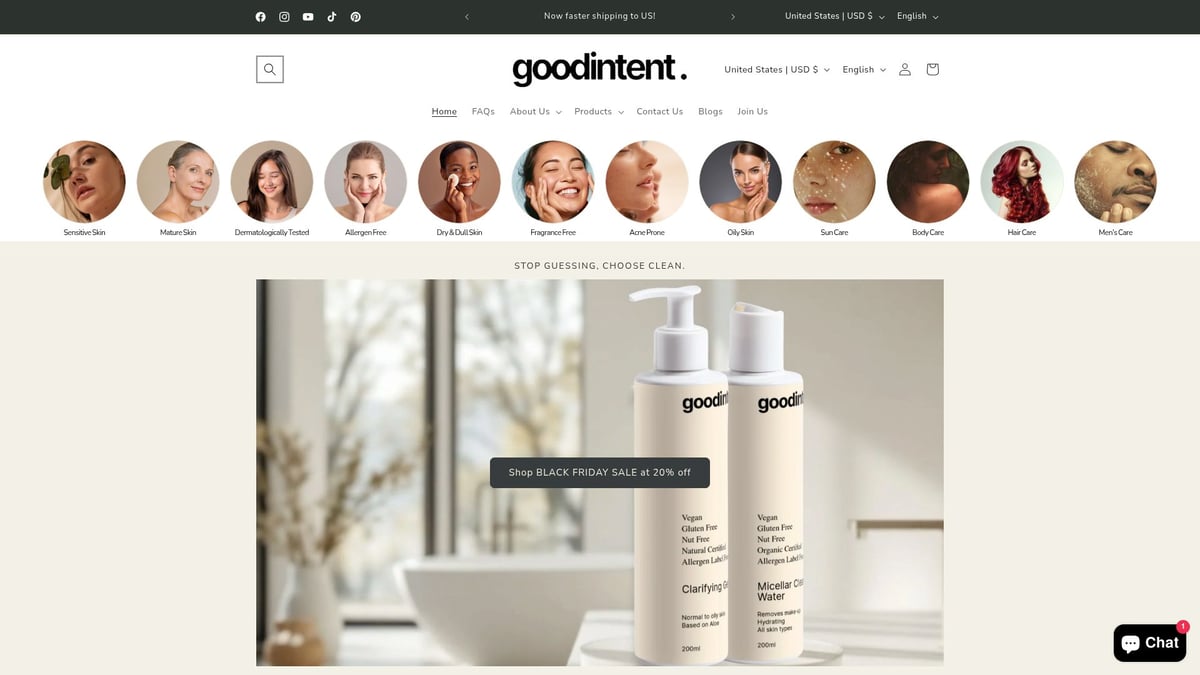
Good Intent Clean Beauty offers a unique range of vegan, cruelty-free, allergen-free, and fragrance-free formulas. Their commitment to transparency means every product is crafted without parabens, sulfates, or synthetic fragrances. If you’re searching for certified organic skin products that deliver results without compromise, this brand delivers.
The collection includes gentle cleansers, nourishing moisturizers, soothing body creams, mineral sun care, and targeted specialty treatments. For example, their COSMOS-certified sensitive skin moisturizer is a favorite among customers who want the assurance of strict ingredient standards and certification.
Many users with allergy-prone or reactive skin have shared their stories of relief after switching to Good Intent Clean Beauty. One customer with chronic irritation described how her skin became calmer and less red within weeks of starting a fully organic, fragrance-free routine. She credits the absence of harsh chemicals and synthetic scents for her newfound comfort.
Tips for Sensitive Skin with Good Intent Clean Beauty:
- Always patch test new organic skin products before full use.
- Introduce one product at a time into your routine.
- Choose fragrance-free, allergen-free options for less risk of reactions.
- Avoid harsh exfoliants and essential oils if your skin is easily irritated.
By choosing toxin-free, certified organic skin products, you reduce the risk of irritation, allergies, and long-term health issues. Good Intent Clean Beauty’s dedication to sustainability, ingredient transparency, and global accessibility makes it easy to shop their collection wherever you are. Experience the peace of mind that comes with skincare designed for real sensitivity—your skin deserves the safest care possible.
Common Myths and FAQs About Organic Skin Products
Choosing organic skin products can feel overwhelming, especially with so much conflicting information online. Let’s clear up the confusion, separate fact from fiction, and help you make confident choices for your skin’s health.
Debunking Popular Myths
There are several myths about organic skin products that can hold people back from switching to cleaner alternatives.
Myth 1: Organic skin products are less effective.
This is simply not true. Many powerful botanicals like rosehip oil and aloe vera deliver real results, supporting skin regeneration and hydration. Real-life stories from those with sensitive skin often show fewer flare-ups and improved texture after going organic.
Myth 2: All “natural” products are safe.
Not all products labeled “natural” meet strict standards. Some may still include synthetic fragrances or hidden irritants. Always check for reputable certifications and full ingredient transparency.
Myth 3: Organic skin products are too expensive.
While some options cost more, there are plenty of affordable brands and DIY recipes. Plus, investing in toxin-free care can help you avoid costly skin issues down the road.
Disadvantages of chemical products:
Chemical-based formulas often contain parabens, phthalates, and sulfates, which can trigger irritation or allergies. For more on potential health risks, see the Health Risks of Common Skincare Chemicals.
Frequently Asked Questions
How long does it take to see results with organic skin products?
Most people notice improvements in two to six weeks. For sensitive or allergy-prone skin, the reduction in redness and irritation can be almost immediate.
Are organic skin products suitable for all skin types?
Yes, especially for those with sensitive or reactive skin. Fragrance-free and vegan formulas are gentle and reduce the risk of reactions.
Can organic skin products help with chronic skin conditions?
Many users with eczema or dermatitis report fewer flare-ups after switching. For example, a user with chronic redness saw visible improvement after adopting a fragrance-free, toxin-free routine.
What if I react to an organic product?
Always patch test first and introduce one product at a time. If irritation occurs, stop use and consult a dermatologist. Sensitive skin often benefits from minimal, allergen-free routines.
Switching to organic skin products means prioritizing health, transparency, and long-term skin wellness. The benefits of no synthetic fragrances and toxin-free care are clear: happier, healthier skin for everyone.
Future Trends in Organic Skincare for 2026 and Beyond
The future of organic skin products is full of innovation, inclusivity, and community-driven change. If you are curious about what is coming next, you are not alone. Shoppers, brands, and experts are all pushing for safer, more effective, and accessible organic skin products for every person and every routine.
Innovations in Formulation and Packaging
Formulators are harnessing the power of plants and biotechnology to create more potent organic skin products. Expect to see ingredients derived from microalgae, mushrooms, and adaptogenic herbs. These actives help repair and protect skin, while staying gentle for sensitive types.
Packaging is also evolving. Waterless concentrates and refillable containers are on the rise, minimizing waste and conserving resources. Brands are prioritizing biodegradable materials, making toxin free skin care not just good for you, but for the planet as well.
Personalization and Tech Integration
Personalization is set to transform how we use organic skin products. AI-powered skin analysis tools will recommend targeted routines based on real-time skin data. Imagine a subscription box with formulas blended just for your needs, delivered to your door.
Tech integration makes it easier to track skin changes and adjust products as needed. This step by step approach ensures you get the most out of your organic skin products, even if your skin is sensitive or allergy-prone.
Expanding Access and Inclusivity
Organic skin products will be more inclusive than ever. Brands are focusing on broader shade ranges and formulas that work for all skin tones and types. Affordability is improving, making toxin free and fragrance free options accessible for everyone.
If you are looking for products that cater specifically to sensitive skin, vegan, and fragrance free needs, explore Vegan and fragrance-free skincare options for a curated collection. This shift supports those who want effective organic skin products without compromise.
Real-Life Example: Community Initiatives
Grassroots movements are shaping the future of organic skin products. Local wellness studios and co-ops now offer workshops on toxin free skincare. These events let people try new routines, ask questions, and learn how to patch test or build a step by step regimen.
A recent example comes from a community in Portland, where neighbors collaborated to create a zero-waste skincare swap. This group shared their favorite fragrance free finds and tips for sensitive skin, showing how collective action can drive positive change.
We’ve covered a lot—ingredient deep-dives, smart label reading, and real stories from people who switched to organic skincare for healthier, happier skin. If you’re ready to put all this knowledge into action and want products that actually walk the talk—think vegan, allergen free, and truly gentle on sensitive skin—you don’t have to search far. Why not take the next step and explore a curated range that’s crafted with your needs in mind? You deserve skincare that’s as thoughtful as you are. Curious where to start? Discover Good Intent and see how good clean beauty can truly feel.


