


Ultimate Guide to Moisturizing Face Cream for Sensitive Skin 2026
Finding the right moisturizing face cream for sensitive skin can feel impossible when every new product brings redness or stinging. If you’re tired of trial and error, this guide is for you. Here, you’ll discover how to select a safe, effective, and toxin-free cream that truly hydrates without causing irritation. We’ll dive into the challenges of sensitive skin, must-have ingredients, step-by-step routines, real-life success stories, and expert advice so you can finally enjoy lasting comfort and confidence. Ready to transform your skincare routine with practical solutions and the latest innovations? Let’s get started.
Understanding Sensitive Skin: Causes, Symptoms, and Challenges
Finding the right moisturizing face cream for sensitive skin can feel overwhelming. Sensitive skin is more common than you might think, and it’s not just about occasional redness or dryness. Understanding what sets sensitive skin apart is the first step to caring for it effectively.

What Defines Sensitive Skin?
Sensitive skin isn’t a single diagnosis, but a collection of symptoms like redness, itching, burning, dryness, and flaking. Dermatologists define it as skin that reacts easily to environmental, chemical, or physical triggers, often feeling uncomfortable with even gentle products.
Studies show up to 70% of women and 60% of men worldwide report sensitive skin, making the search for a suitable moisturizing face cream for sensitive skin a universal concern. Unlike allergic skin, sensitive skin may not show hives or swelling, but instead, persistent irritation. Sensitized skin, meanwhile, develops after repeated exposure to harsh products. Recognizing these differences is essential for choosing the right care.
Common Triggers for Sensitivity
Sensitive skin flares up for many reasons. Environmental factors such as pollution, extreme temperatures, and UV rays can strip the skin’s barrier, leading to more irritation. Lifestyle plays a role too—stress, poor diet, and lack of sleep can all make your skin more reactive.
Chemical irritants are especially problematic. Ingredients like synthetic fragrances, preservatives, and harsh surfactants in a moisturizing face cream for sensitive skin can trigger stinging or redness. If you’ve ever noticed a burning sensation after applying a new product, you’re not alone. Keeping a simple, toxin-free routine helps minimize these risks.
The Impact of Moisturizing Face Creams
The wrong moisturizing face cream for sensitive skin can do more harm than good. Many people experience stinging, inflammation, or dryness after using products with chemical additives or fragrances. Online reviews are filled with stories of trial and error, where one cream soothes while another causes a flare-up.
A step-by-step approach can help: always patch test, choose fragrance-free options, and look for creams with barrier-repairing ingredients. Toxin-free skincare supports the skin’s natural defenses, while chemical-heavy formulas often break down the barrier, leaving skin vulnerable. The benefits of no synthetic fragrances include fewer allergic reactions and a calmer complexion.
Statistics and Real-Life Experiences
Sensitive skin affects a significant portion of the population, as detailed in this Global prevalence of sensitive skin survey. Many users share their frustration with repeated reactions until they switch to gentle, toxin-free products. One woman described how eliminating chemical-laden creams led to fewer flare-ups and a more even texture within weeks.
A case study showed that after transitioning to a clean, fragrance-free moisturizing face cream for sensitive skin, users reported less redness and more comfortable, hydrated skin. These real stories prove that mindful choices and ingredient awareness make all the difference.
Key Ingredients to Look for (and Avoid) in Moisturizing Face Creams for Sensitive Skin
Choosing the right moisturizing face cream for sensitive skin can feel overwhelming. The ingredient list is your best friend, but only if you know what to look for and what to avoid. Let’s break it down so you can confidently pick products that nourish without causing flare-ups.
Must-Have Gentle, Effective Ingredients
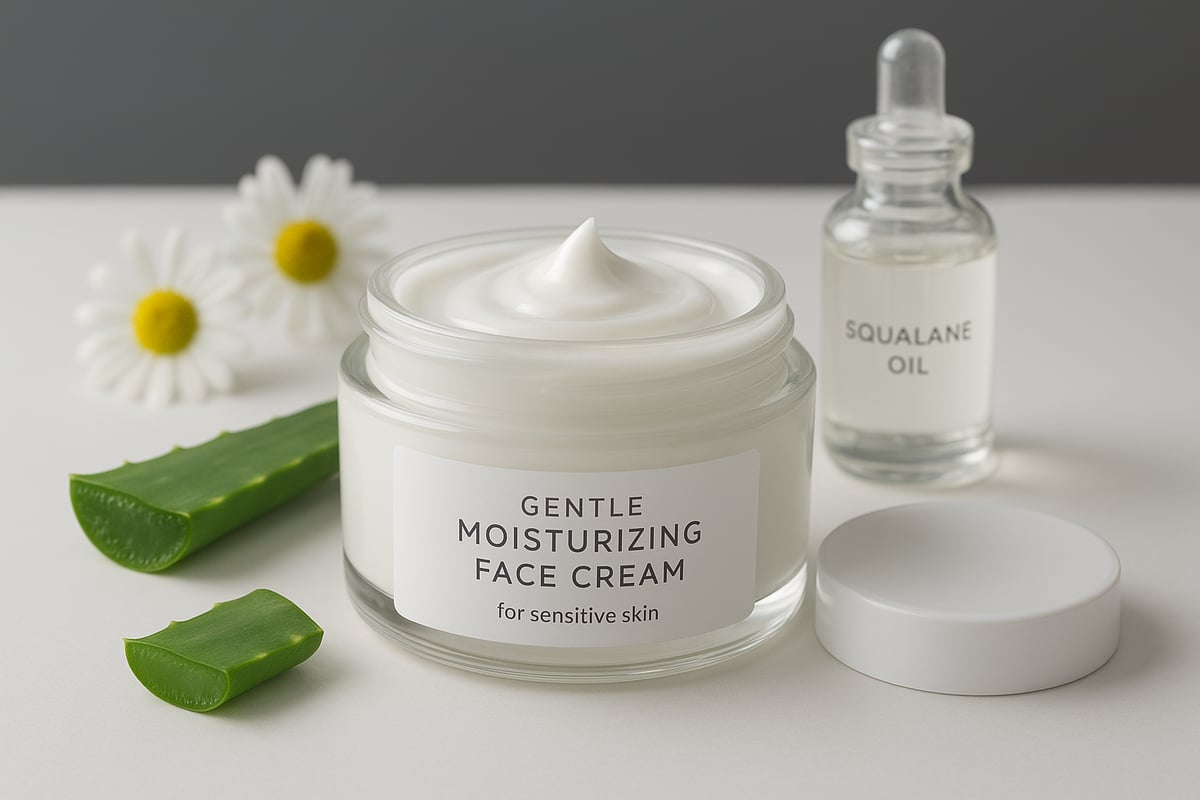
Sensitive skin needs hydration, protection, and soothing, all without the risk of irritation. The best moisturizing face cream for sensitive skin often includes:
- Hyaluronic acid for deep, non-irritating hydration.
- Glycerin and squalane to lock in moisture without clogging pores.
- Ceramides and fatty acids to strengthen your skin barrier.
- Soothing botanicals like aloe vera, calendula, and chamomile for calming redness.
- Vitamin E delivers antioxidant protection.
For example, one user with persistent dryness and redness found that after switching to a vitamin E-rich cream, her skin became noticeably softer and less reactive. Always check for these ingredients as the foundation of any moisturizing face cream for sensitive skin.
Sensitive skin tip: Always introduce new ingredients slowly and observe how your skin responds over a week.
Harmful or Irritating Ingredients to Avoid
Not all creams are created equal. Some contain substances known to trigger or worsen sensitivity. Watch for:
- Synthetic fragrances, which are a leading cause of irritation.
- Parabens, sulfates, and phthalates, often linked with allergic reactions.
- Alcohols and harsh preservatives, which can dry or sting.
A step-by-step approach:
- Read the label for “fragrance” or “parfum.” If listed, skip it.
- Look for short ingredient lists to reduce risk.
- Avoid anything that caused you irritation before.
One reviewer shared that after trying a fragranced moisturizer, she experienced immediate stinging and dry patches. Choosing a moisturizing face cream for sensitive skin means steering clear of these common irritants.
Table: Safe vs. Unsafe Ingredients
| Safe Ingredients | Ingredients to Avoid |
|---|---|
| Hyaluronic acid | Synthetic fragrances |
| Squalane | Parabens, sulfates, phthalates |
| Ceramides | Alcohols, harsh preservatives |
| Aloe vera, chamomile | Unfamiliar chemical names |
The Benefits of Toxin-Free and Fragrance-Free Formulas
Why go fragrance-free and toxin-free? Because the risk of a reaction drops dramatically. Moisturizing face cream for sensitive skin that skips synthetic scents and harsh chemicals helps maintain skin’s barrier and prevents cumulative irritation.
Recent studies show that allergen-free and fragrance-free creams are rated highest for comfort and long-term results. Many consumers say their skin feels calmer, less itchy, and more resilient after ditching chemical-heavy products.
The disadvantages of chemical-laden creams include not just immediate burning or dryness, but also long-term barrier breakdown and even premature aging. Opting for Allergen-Free and Fragrance-Free Creams lets you focus on products proven to be safer for reactive skin.
Sensitive skin tip: Patch test every new product on your inner forearm before using it on your face.
Toxin-Free Skincare for Sensitive Skin: Good Intent Clean Beauty
Good Intent offers a range of toxin-free, vegan, and cruelty-free moisturizing face cream for sensitive skin. Their face creams are COSMOS-certified, allergen-free, and fragrance-free, making them a smart choice for anyone who wants ingredient purity.
Real users report improved comfort and hydration with zero irritation. One customer shared that after years of trial and error, switching to Good Intent’s cream left her skin smooth and calm, even during seasonal changes.
Transparency matters. Knowing exactly what’s in your moisturizing face cream for sensitive skin means fewer surprises and more consistent results. Prices are reasonable, and sensitive skin users consistently leave positive feedback about the gentle, nourishing formulas.
Sensitive skin tip: Less is more. Stick with a minimal routine to avoid overwhelming delicate skin.
How to Choose the Best Moisturizing Face Cream for Your Sensitive Skin in 2026
Finding the right moisturizing face cream for sensitive skin can feel overwhelming, but a simple, step-by-step approach makes it easier. Let’s break down the process so you can confidently select a cream that soothes, protects, and supports your unique skin needs.
Step 1: Assess Your Sensitivity Triggers and Skin Needs
Start by tracking your skin’s reactions. Keep a daily skin diary, noting any redness, itching, or flare-ups after using products or being exposed to certain environments. This helps you identify patterns and avoid known irritants. If you’re unsure about your triggers, schedule a visit with a dermatologist for patch testing.
Many people with sensitive skin find that stress, diet, or weather changes can affect their skin’s tolerance. By observing these factors, you’ll have a clearer picture of what your skin truly needs from a moisturizing face cream for sensitive skin.
Step 2: Read and Understand Ingredient Labels
Decoding labels is crucial. Look for short ingredient lists and avoid common irritants like synthetic fragrances, parabens, and harsh alcohols. Seek creams with third-party certifications, such as COSMOS or allergy-tested seals, which indicate higher safety standards.
For a deeper understanding of certifications and ingredient standards, explore the importance of Certification and Ingredient Transparency. This knowledge helps you confidently select a moisturizing face cream for sensitive skin that meets strict purity and safety criteria.
Step 3: Consider Texture and Formula Type
Sensitive skin thrives on lightweight, non-comedogenic formulas. Decide if you prefer a cream, gel, or lotion based on your skin’s needs and the climate. Creams are best for dry or very sensitive skin, while gels or lotions may suit combination or acne-prone types.
Look for products labeled as non-comedogenic and fast-absorbing. Real-life users often report that switching to a lighter formula reduced clogged pores and left their skin feeling less greasy yet fully hydrated.
Step 4: Patch Test Before Full Use
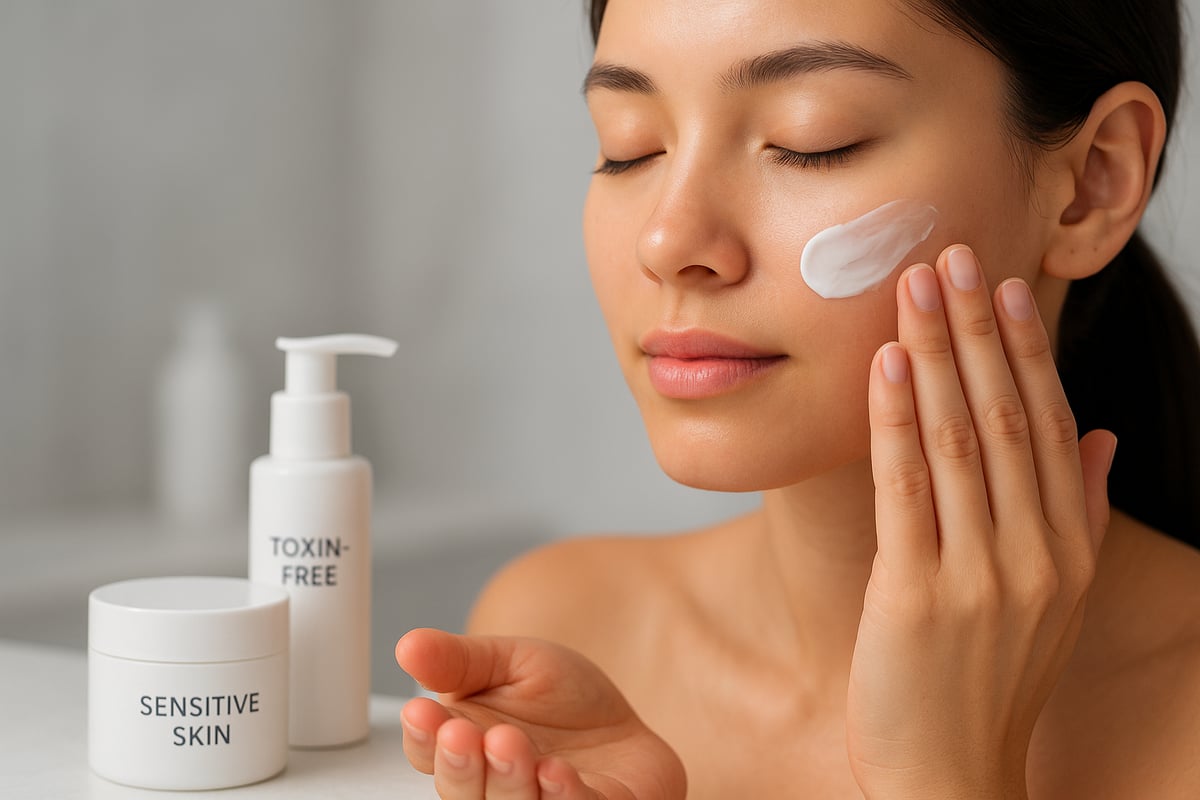
Before applying a new moisturizing face cream for sensitive skin all over your face, always patch test it. Apply a small amount behind your ear or on your inner arm, then wait 24 hours to monitor for redness or irritation.
One user shared her experience of avoiding a major flare-up by patch testing a new cream that, despite being labeled “gentle,” caused a mild reaction. This simple step can save you from discomfort and disappointment.
Step 5: Evaluate Brand Ethics and Transparency
Choose brands that are transparent about their ingredient sourcing and manufacturing processes. Look for cruelty-free, vegan, and eco-conscious certifications. Brands that openly share customer reviews and third-party test results inspire trust.
Tips for evaluating a brand:
- Check for clear, complete ingredient lists.
- Read unbiased user testimonials.
- Research certifications for toxin-free and fragrance-free claims.
Many people with sensitive skin notice fewer reactions when switching to brands committed to these values.
Step 6: Price vs. Performance
A higher price tag does not always guarantee a better moisturizing face cream for sensitive skin. Evaluate whether the product’s ingredient quality, safety certifications, and user feedback justify the cost.
Budget-friendly options can deliver excellent results if they prioritize gentle, effective ingredients. It’s wise to invest in products that are both safe and affordable, rather than splurging on fancy packaging or marketing claims.
Disadvantages of Chemical Products
Chemical-laden face creams often contain synthetic fragrances, parabens, and harsh preservatives. These ingredients can cause chronic irritation, allergic reactions, and even break down your skin’s protective barrier over time.
Some users report persistent redness and dryness after using chemical-heavy creams. Additionally, these products may contribute to environmental harm and may not align with ethical skincare values.
Benefits of No Synthetic Fragrances
Opting for a fragrance-free moisturizing face cream for sensitive skin offers several benefits:
- Lowers your risk of irritation and allergic reactions.
- Makes the cream suitable for children, the elderly, and highly reactive skin types.
- Supports long-term skin health by minimizing unnecessary additives.
Sensitive skin users consistently praise the comfort and calmness they feel when they eliminate synthetic fragrances from their routines.
Step-by-Step Skincare Routine for Sensitive Skin: Maximizing Moisturizer Benefits
Building a gentle, effective routine is key when you have sensitive skin. The right habits help your moisturizing face cream for sensitive skin deliver lasting hydration and comfort. Here’s a step-by-step guide to maximize your results, minimize irritation, and see real improvements over time.
Morning Routine
Start your day with a sulfate-free, non-foaming cleanser to remove impurities without stripping your skin. Follow with an alcohol-free hydrating toner to prep your face for moisture.
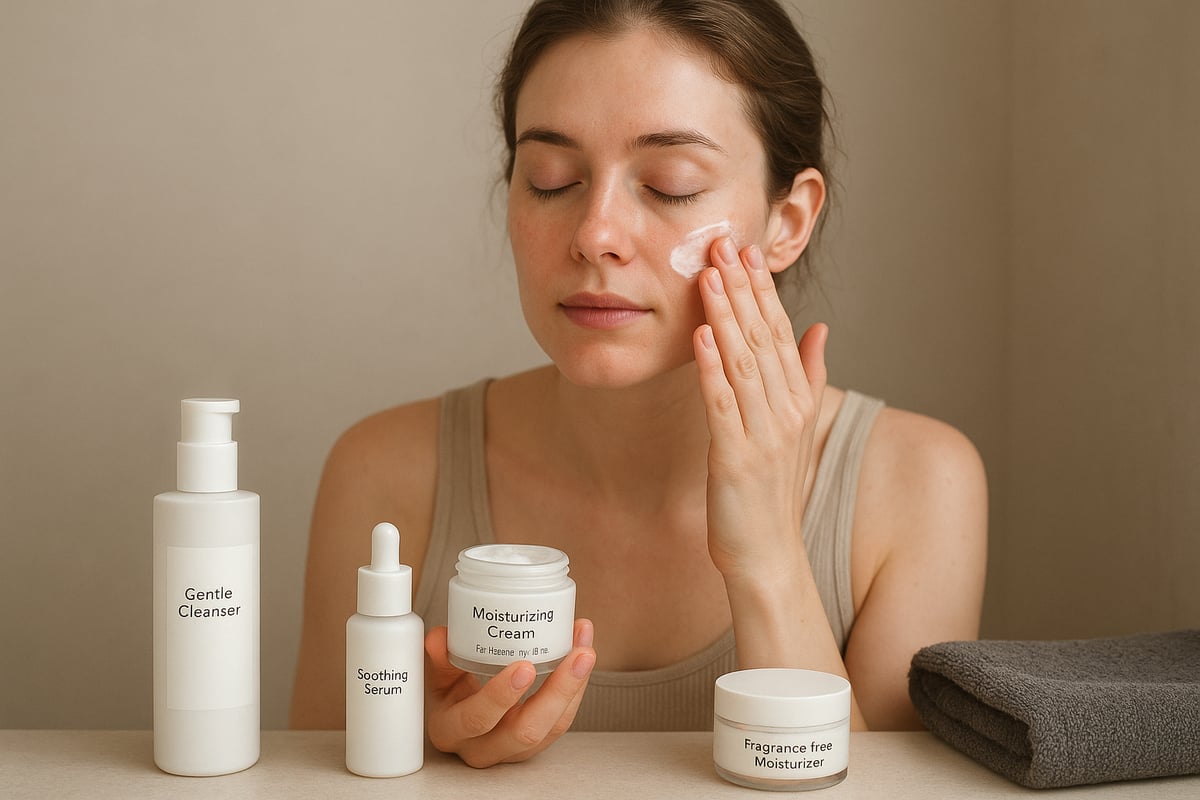
Now, apply your moisturizing face cream for sensitive skin using clean fingertips and a gentle patting motion. This locks in hydration and soothes redness. Choose a cream with no synthetic fragrances to lower your risk of irritation and allergic reactions.
Finish with a mineral-based sunscreen, especially if you’ll be outdoors. Sensitive skin thrives on simplicity, so keep your morning steps minimal and consistent.
- Use lukewarm water, never hot
- Pat skin dry with a soft towel
- Wait a minute between steps for better absorption
Evening Routine
At night, start with a gentle double cleanse if you wear makeup. Use oil-to-milk formulas that dissolve makeup without harsh rubbing. Next, smooth on your moisturizing face cream for sensitive skin to repair your barrier after a long day.
If you use targeted treatments, pick serums with calming botanicals like chamomile or niacinamide. Avoid chemical-heavy products, as they can cause chronic irritation or even barrier breakdown over time.
- Always patch test new products before full use
- Go fragrance-free and toxin-free for better long-term results
- Less is more: stick to essentials
Weekly Extras and Tips
Sensitive skin needs special care throughout the week. Limit exfoliation to once a week, using only very gentle, fragrance-free scrubs or enzyme masks. When masking, choose soothing, toxin-free formulas that calm instead of inflame.
Adjust your routine with the seasons. In winter, swap to a richer moisturizing face cream for sensitive skin. In summer, try a lightweight gel or lotion. Always listen to your skin’s signals.
Tips for Sensitive Skin:
- Avoid rough washcloths and harsh towels
- Use a humidifier in dry environments
- Keep your routine simple and consistent
Real-Life Example: Sensitive Skin Success Story
Take Sara, who struggled for years with redness and stinging from chemical-laden products. She switched to a toxin-free, fragrance-free routine and invested in a quality moisturizing face cream for sensitive skin. Within weeks, her complexion looked calmer, and she experienced fewer flare-ups.
If you’re seeking a curated option, the Gentle Glow Collection for Sensitive Skin offers toxin-free, vegan creams that are COSMOS-certified and designed for sensitive types. Many users report softer, smoother skin and less irritation with these formulas.
A gentle, mindful routine and the right products can transform sensitive skin from reactive to resilient.
Tips and Best Practices for Managing Sensitive Skin Year-Round
Sensitive skin is a journey, not just a type. With the right habits, your skin can thrive in every season. Let’s break down the best practices for lasting comfort and a happier complexion.
General Lifestyle Tips
Everyday choices shape how your skin feels. Urban pollution, dry air, and daily stress can all intensify sensitivity. A recent study on the impact of urban living on sensitive skin shows that city dwellers often report more irritation and redness.
To support your skin:
- Use a humidifier in dry climates
- Choose loose, soft clothing to reduce friction
- Avoid hot showers and harsh towels
- Prioritize sleep and manage stress with mindfulness
Taking these steps, alongside a moisturizing face cream for sensitive skin, helps protect your barrier from external triggers.
Product Application Tips
How you use your products matters just as much as what you use. Always patch test a new moisturizing face cream for sensitive skin before applying it all over.
Step-by-step guide:
- Apply a pea-sized amount to your inner arm
- Wait 24 hours and monitor for redness or itching
- If clear, use on your face, starting with a small area
Less is more. Limit your routine to a gentle cleanser and one moisturizing face cream for sensitive skin. Give each step time to absorb before adding another product.
Seasonal Adjustments
Your skin’s needs change with the weather. In winter, opt for a thicker moisturizing face cream for sensitive skin to lock in hydration. In humid summer months, switch to lightweight, non-comedogenic gels.
- Add mineral-based sunscreen daily, whatever the season
- Adjust application frequency if your skin feels tight or oily
- Listen to your skin: more dryness may call for richer creams, while heat may mean lighter layers
This flexibility keeps your routine effective year-round.
The Benefits of No Synthetic Fragrances
Synthetic fragrances are a top cause of irritation in sensitive skin. Opting for fragrance-free formulas in your moisturizing face cream for sensitive skin reduces the risk of redness and allergic reactions.
Benefits include:
- Safer for children and elderly family members
- Lower chance of flare-ups or stinging
- Better for those with multiple allergies
Toxin-free, fragrance-free creams also support long-term skin health and resilience.
Community Insights and Support
You’re not alone on this journey. Many find comfort and practical tips in online forums and sensitive skin support groups. Sharing experiences with different moisturizing face cream for sensitive skin options can help you avoid common pitfalls.
For example, one user switched to a toxin-free routine and reported fewer flare-ups and smoother texture within weeks. Community wisdom can be a lifeline, especially when navigating ingredient lists and seasonal changes.
Frequently Asked Questions About Moisturizing Face Cream for Sensitive Skin
Finding the right moisturizing face cream for sensitive skin can feel overwhelming, especially when you want comfort without compromise. Here, we answer the most common questions and share expert-backed, real-life advice to help you care for delicate skin with confidence.
Can you use moisturizing face cream for sensitive skin every day? What if irritation still happens?
Yes, daily use is not only safe but encouraged for sensitive skin. Consistency helps protect your barrier and lock in moisture. If you still notice redness, stinging, or itching, stop using the product immediately. Try a patch test on your arm or behind your ear before reapplying to your face. Real-life tip: Keep a skin diary to track any reactions and product changes, making it easier to spot your triggers.
Are natural and organic creams always safer for sensitive skin? How long to see results?
While many natural formulas are gentle, not all are free from irritants. Always check for essential qualities like toxin-free, fragrance-free, and allergen-free labeling. Look for third-party certifications. Most people see improvement in hydration and comfort within one to two weeks of using a new moisturizing face cream for sensitive skin. However, some notice reduced redness or flaking even sooner with the right formula.
Can you combine moisturizing face cream for sensitive skin with other treatments? Is it safe for all ages and genders?
Absolutely. Moisturizing face cream for sensitive skin often pairs well with acne or anti-aging serums, especially those designed for reactive skin. Apply treatments first, then seal with your moisturizer. These creams are suitable for men, women, children, and older adults, especially when they are free from synthetic fragrances and harsh chemicals.
How should you store moisturizing face cream for sensitive skin to maintain its efficacy?
Keep your cream in a cool, dry spot away from direct sunlight and humidity. Always close the lid tightly after use. Avoid dipping fingers directly into jars; instead, use a clean spatula to prevent contamination. Watch for changes in color, smell, or texture which may signal the product is expired or compromised.
What do experts and research say about the best practices for sensitive skin?
Dermatologists recommend choosing products with minimal ingredients and proven safety for sensitive skin. For trusted options and expert tips, see this Dermatologists' recommended moisturizers for sensitive skin guide. New research in 2026 highlights the importance of barrier repair, fragrance-free formulas, and toxin-free ingredients for lasting skin health.
What real-life results and troubleshooting tips can you share?
Many users describe frustration with chemical-heavy creams causing persistent redness and discomfort. By switching to toxin-free, fragrance-free creams, they often report smoother, calmer skin. If a product causes a reaction, rinse it off quickly and apply a gentle, soothing moisturizer. Seek out brands with transparent ingredient lists and positive user reviews.
Tips for sensitive skin: maximizing benefits and avoiding pitfalls
- Always patch test new products before full use.
- Choose creams labeled as toxin-free and fragrance-free for fewer flare-ups.
- Limit your routine to a few gentle products.
- Avoid creams with parabens, sulfates, or synthetic fragrances.
- Remember, less is more for sensitive skin.
- Benefit: No synthetic fragrances means lower risk of irritation and better comfort for all ages.
By following these steps and focusing on the right moisturizing face cream for sensitive skin, you can enjoy healthy, hydrated skin without unnecessary worry.
Product Recommendations and What to Avoid: 2026 Sensitive Skin Creams
Are you searching for the perfect moisturizing face cream for sensitive skin and tired of disappointing results? You are not alone. The right cream can transform your daily routine, but the wrong one can leave your skin irritated or dry. Let’s dive into the essential features, common pitfalls, and real-life success stories to help you find your ideal match.
Features of the Best Moisturizing Face Creams for Sensitive Skin
When choosing a moisturizing face cream for sensitive skin, focus on formulas that are toxin-free, fragrance-free, and non-comedogenic. These products are less likely to trigger redness or stinging. Look for dermatologist-tested and pH-balanced options, which support your skin’s natural barrier.
The best creams absorb quickly, feel non-greasy, and layer well under makeup. They often include ingredients like ceramides, hyaluronic acid, and squalane to lock in moisture and soothe irritation.
A quick checklist:
- Toxin-free ingredients
- Fragrance-free
- Dermatologist-tested
- Non-comedogenic
- pH-balanced
These features provide a foundation for comfort and ongoing skin health.
What to Avoid in 2026
Not all creams are created equal. Avoid products with synthetic fragrances, parabens, sulfates, and harsh alcohols—they are well-known triggers for sensitive skin. Creams with long or opaque ingredient lists often hide potential irritants.
Recent studies, like those highlighted in Sensitive Skin Syndrome: An Update, confirm that chemical-laden products can disrupt the skin barrier, leading to persistent redness, dryness, and even premature aging. Always steer clear of creams that lack third-party certifications or clear ingredient transparency.
Common red flags to watch for:
- Artificial scents or colors
- Harsh preservatives
- Lack of certification (e.g., allergy-tested, COSMOS)
- No clear expiration dates
Real-Life Examples and Testimonials
Many people with sensitive skin share similar journeys: trial and error with countless products before finding relief. For example, Mia, a 31-year-old teacher, struggled with burning and flaking from mainstream brands. After switching to a toxin-free, plant-based moisturizing face cream for sensitive skin, she noticed reduced redness and smoother texture within weeks.
Another user, Ethan, found that creams without synthetic fragrances stopped his recurring breakouts and itching. The switch to gentle, allergen-free formulas brought back his confidence and comfort.
For those seeking curated options, the Pure Radiance Facial Care Collection offers vegan, cruelty-free creams designed specifically for sensitive and reactive skin.
The Benefits of Plant-Based and Allergen-Free Options
Plant-based and allergen-free moisturizing face cream for sensitive skin is gaining popularity for good reason. These formulas are rich in soothing botanicals and antioxidants, which help calm inflammation and support long-term skin health. They are suitable for all ages and skin tones, and often outperform chemical-heavy alternatives in consumer satisfaction studies.
Benefits include:
- Lower risk of irritation or allergic reactions
- Gentle enough for children and elderly
- Support for a healthy skin barrier
- Environmentally friendly and cruelty-free
Using creams without synthetic fragrances further reduces the chance of flare-ups, making your skincare routine safer and more predictable.
Tips for Buying and Using Sensitive Skin Creams
Shopping for a moisturizing face cream for sensitive skin? Here are some tips:
- Always read ingredient labels and look for third-party certifications.
- Patch test new creams before full application.
- Choose products in airless pumps or tubes to avoid contamination.
- Store creams in a cool, dry place.
- Replace products after their expiration date or if the smell or texture changes.
A step-by-step guide for patch testing:
- Apply a small amount of cream behind your ear or on your inner forearm.
- Wait 24–48 hours and observe for any redness, itching, or bumps.
- If no reaction occurs, gradually introduce the cream into your routine.
Final Checklist: Choosing Your Ideal Moisturizer
Before making your final decision, use this table to compare your top choices:
| Criteria | Yes/No |
|---|---|
| Toxin-free | |
| Fragrance-free | |
| Dermatologist-tested | |
| Non-comedogenic | |
| Third-party certified | |
| Positive user reviews | |
| Suitable for your triggers |
Remember, the best moisturizing face cream for sensitive skin is the one that meets your personal needs and feels comfortable every day. Prioritize ingredient transparency, certifications, and proven user experiences. Trust your skin, listen to its signals, and do not rush the process. Gentle, toxin-free care is worth the patience.
If you’ve ever felt overwhelmed by ingredient lists or frustrated by endless trial and error with face creams, you’re definitely not alone. Navigating sensitive skin can feel like a full-time job—especially when you want real hydration without the risk of flare-ups. We’ve explored every angle, from gentle formulas to smart routines, so you can feel confident about your next moisturizer pick. Ready for a fresh start and lasting comfort? Let’s make sensitive skin care simple and safe. You can Discover Good Intent and see how toxin-free, gentle face creams can transform your daily routine for the better.


