


7 Essential Good Cream For Sensitive Skin Picks in 2026
Did you know that over half of adults now struggle with sensitive skin? In 2026, pollution, stress, and harsh products make finding a gentle, effective solution harder than ever. The quest for a good cream for sensitive skin can feel overwhelming, with endless options and confusing labels.
This article uncovers the 7 most effective creams, each chosen for safety, purity, and real results. Discover why toxin-free and fragrance-free choices matter, get step-by-step guidance, and see real-life transformations. Ready to finally choose wisely and soothe your sensitive skin? Let’s begin.
Why Sensitive Skin Needs Special Care
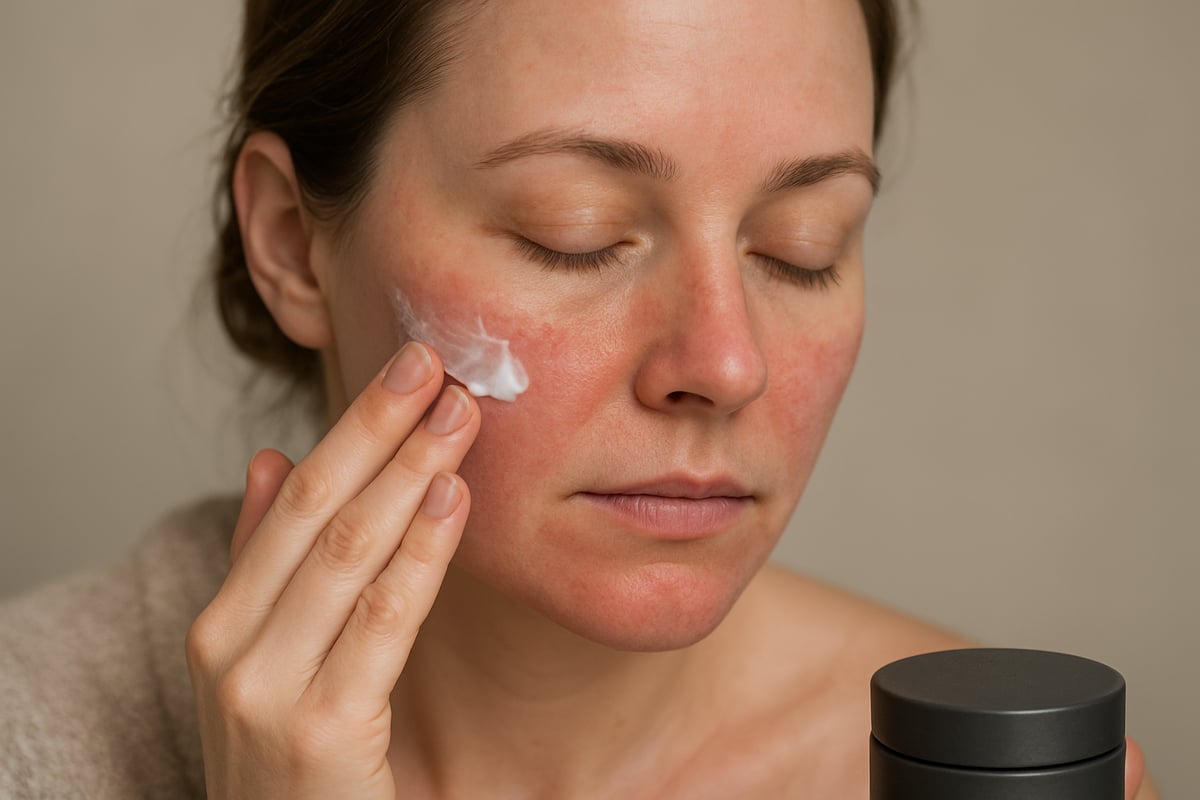
Sensitive skin is more than just a fleeting annoyance—it is a daily challenge for millions. If you have ever struggled to find a good cream for sensitive skin, you are not alone. Up to 60 percent of women and 40 percent of men report symptoms like redness, burning, or dryness. Modern life, with its pollution and climate changes, only intensifies these symptoms, making skin even more reactive.
The Science Behind Sensitive Skin
Sensitive skin often comes from a weakened skin barrier, genetics, or environmental triggers. You might notice your skin flaring up after exposure to wind, heat, or pollution. Recent studies show that the number of people seeking a good cream for sensitive skin is rising, especially as our cities become more polluted and weather patterns shift.
Common symptoms include stinging, itching, and visible redness. These reactions can disrupt daily life and lower confidence. Factors like harsh weather, stress, and even certain fabrics can make things worse.
The Risks of Using Harsh or Chemical-Laden Creams
Many mainstream creams contain parabens, sulfates, or synthetic fragrances. These ingredients can trigger irritation or even allergic reactions, especially in those searching for a good cream for sensitive skin. Chemical additives strip away natural oils, leaving the skin vulnerable.
Consider the story of a woman who tried a popular moisturizer and developed a rash that lasted for weeks. Dermatologists see these cases often, especially when people use products filled with unnecessary chemicals. The result? More redness, discomfort, and sometimes even dermatitis.
- Harsh preservatives can disrupt the skin’s balance
- Fragrances are common allergens
- Overuse of actives increases sensitivity
The Benefits of Toxin-Free and Fragrance-Free Skincare
Switching to toxin-free and fragrance-free products can make a world of difference. A good cream for sensitive skin avoids harsh chemicals, which means less inflammation and fewer breakouts. Fragrance-free formulas are especially helpful for people prone to allergies or asthma.
According to a 2025 Dermatology Journal study, there was a 35 percent drop in irritation for users who chose fragrance-free options. To learn more about how toxin-free products support delicate skin, visit Toxin-free skincare for sensitive skin.
- Fewer synthetic ingredients lead to calmer skin
- Fragrance-free creams are gentler for everyone
- Toxin-free products support long-term skin health
Why Clean Beauty is the Future for Sensitive Skin
The demand for clean, transparent beauty is growing fast. More consumers want vegan, cruelty-free, and COSMOS-certified options. Ingredient transparency means you know exactly what goes into your good cream for sensitive skin. Ethical sourcing and eco-friendly packaging are now the norm, not the exception.
Here are some tips for sensitive skin:
- Look for trusted certifications
- Choose creams with minimal, recognizable ingredients
- Adjust your routine to match climate and season
- Always patch test new products
By making thoughtful choices, you can protect your skin and the planet—one gentle step at a time.
Step-by-Step Guide: Choosing the Best Cream for Sensitive Skin
Choosing a good cream for sensitive skin can feel overwhelming, but a clear, step-by-step approach makes it much easier. Here’s how to find a formula that keeps your complexion calm, nourished, and protected—all while avoiding common pitfalls. Ready to transform your routine? Let’s dive in.
Step 1: Identify Your Sensitivity Triggers
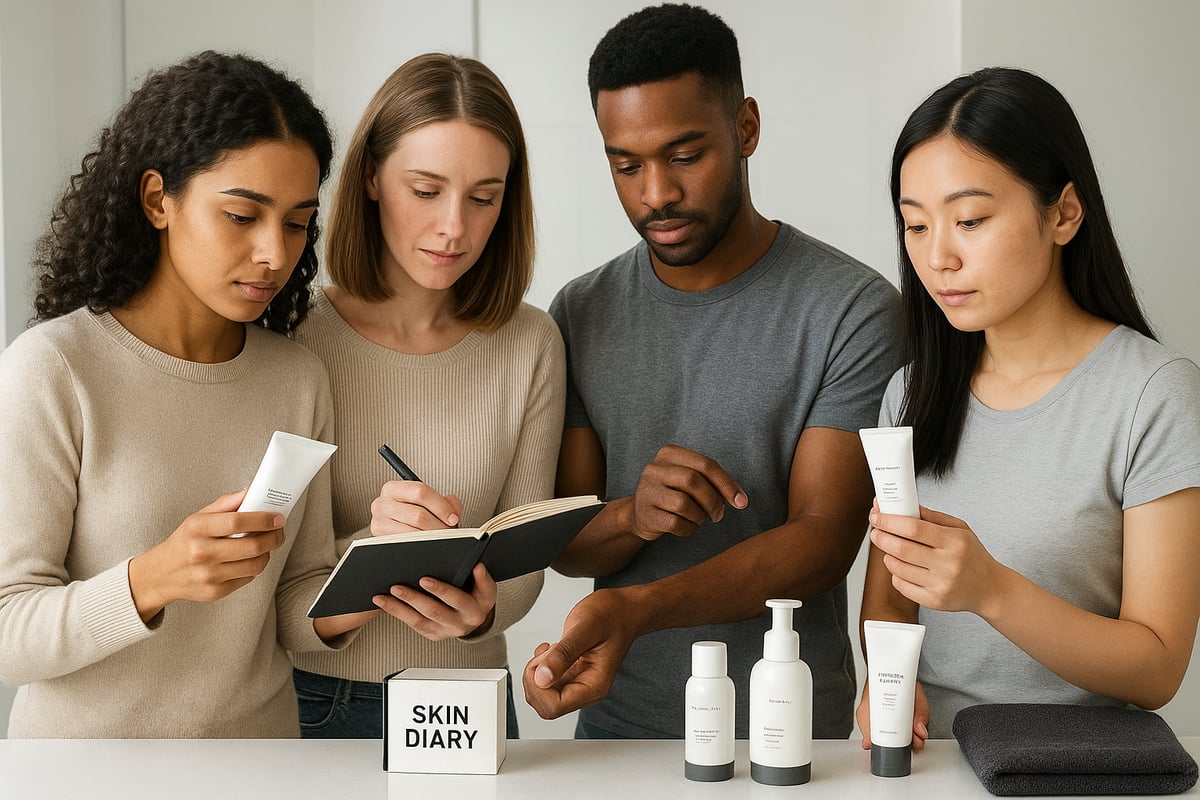
Start by figuring out what sets your skin off. Common triggers include fragrances, dyes, alcohol, and certain preservatives. Keep a simple skin diary to track flare-ups and connect them to products or environments.
For example, one reader avoided weeks of redness when she discovered her irritation was linked to a scented moisturizer. This awareness is your first step to choosing a good cream for sensitive skin that truly works for you.
- Tip: Note weather, stress, and diet in your diary—they can influence sensitivity too.
Step 2: Read Ingredient Labels Carefully
Always check the ingredient list before buying any cream. Look for minimal, easily recognized components and allergen-free claims. Red flags include parabens, phthalates, and formaldehyde releasers, which can cause irritation.
A smart shopper compared two creams and chose the one with fewer chemicals and no synthetic fragrance, leading to healthier skin. Reading labels is key for finding a good cream for sensitive skin that is genuinely safe.
- Tip: If you can’t pronounce it, research it!
Step 3: Patch Test Every New Product
Never skip a patch test. Apply a small amount of the new cream to your inner arm and wait 24 hours. If there’s no reaction, it’s likely safe for your face.
This step prevented a major reaction for one reader who discovered a hidden sensitivity to a popular product. Patch testing is essential when searching for a good cream for sensitive skin.
- Tip: Patch test every product, even those labeled “hypoallergenic.”
Step 4: Evaluate Brand Certifications and Claims
Look for trusted certifications like COSMOS, vegan, and cruelty-free. These labels show the brand meets high safety and ethics standards. But beware of greenwashing—some products claim to be “natural” without proof.
To verify, check for third-party seals and read up on COSMOS-certified clean beauty standards. This ensures your good cream for sensitive skin is truly toxin-free and gentle.
- Tip: Trusted certifications mean transparency and safer ingredients.
Step 5: Consider Texture and Absorption
Texture matters more than you think. Lightweight creams or gels are best for oily or combination sensitive skin, while richer creams suit dry or reactive types.
One user switched from a heavy balm to a light gel in summer and saw fewer breakouts. The right texture helps your good cream for sensitive skin absorb quickly, preventing clogged pores or greasy residue.
- Tip: Change your cream with the seasons for the best results.
Step 6: Prioritize Products with Soothing Ingredients
Choose creams packed with calming ingredients like aloe vera, oat extract, niacinamide, and ceramides. These soothe inflammation and repair the skin barrier.
A 2025 study found creams with oat extract sped up recovery by 28 percent. Picking a good cream for sensitive skin with these botanicals means faster relief and fewer flare-ups.
- Tip: Avoid synthetic fragrances, as they are a top cause of irritation.
Step 7: Monitor Results and Adjust Routine
Track how your skin responds over time. Keep notes on improvements or setbacks and be ready to adjust your routine as needed.
If you notice persistent issues, consult a dermatologist. One reader found long-term success by sticking to a gentle, toxin-free routine and making changes only when needed. This is the final step to finding a good cream for sensitive skin that delivers lasting comfort.
- Tip: Consistency is key—give new routines time before switching.
7 Essential Good Cream For Sensitive Skin Picks in 2026
Struggling to find a good cream for sensitive skin in 2026? You are not alone. With so many products on the market, it is easy to feel overwhelmed. The perfect match should be toxin-free, fragrance-free, and proven to calm irritation. Below, discover seven standout creams trusted by real users, each selected for their safety, purity, and results. Along the way, you will see step-by-step tips, real-life stories, and a clear focus on what makes a good cream for sensitive skin truly effective.
Good Intent Clean Beauty Sensitive Skin Moisturizer
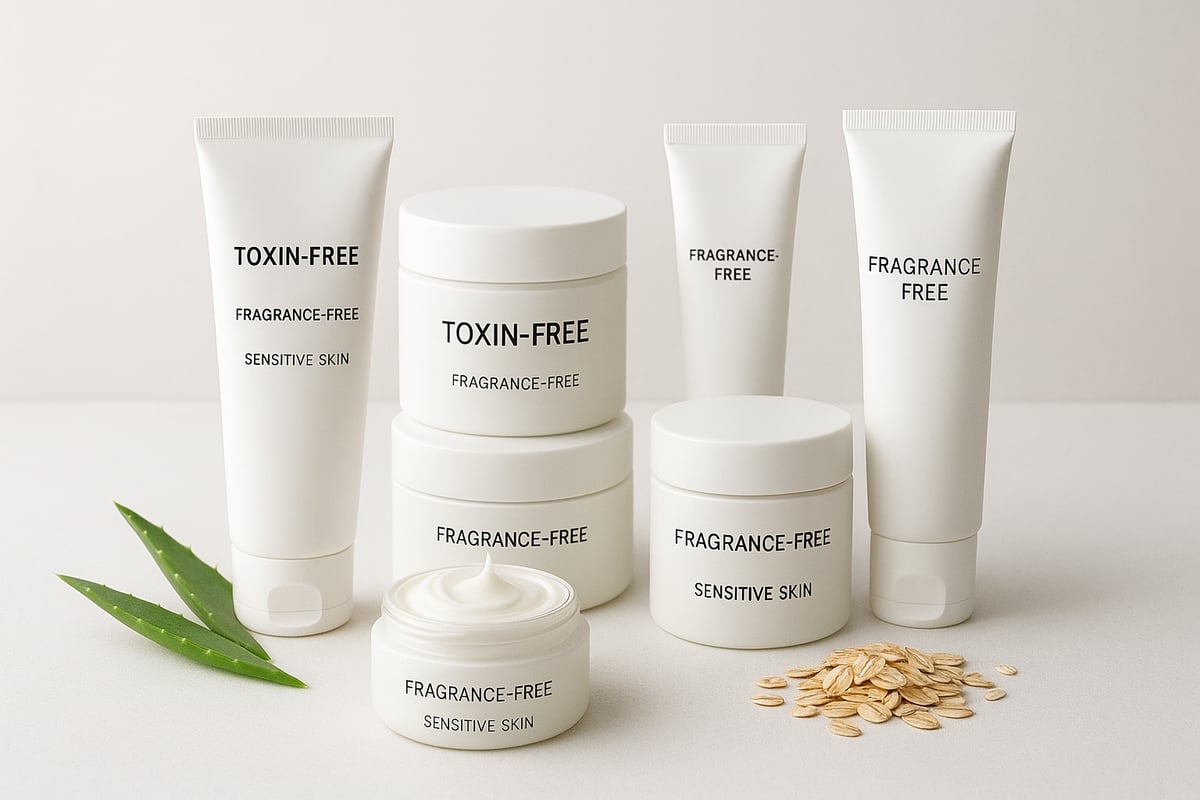
If you are searching for a good cream for sensitive skin, start with the Good Intent Clean Beauty Sensitive Skin Moisturizer. Priced at $37, with 10% off your first order and free shipping over $50, this cream leads the way in toxin-free and vegan formulations. It is COSMOS-certified, fully fragrance-free, and designed for even the most delicate skin types.
Core Features:
- Toxin-free and vegan
- COSMOS-certified
- Fragrance-free and allergy-friendly
Benefits:
- Calms redness and soothes flare-ups
- Restores the skin barrier
- Ideal for highly sensitive or allergic skin
Who Should Use It: Sensitive, allergic, or problematic skin types, and eco-conscious shoppers who want a good cream for sensitive skin with ethical sourcing.
Pros:
- Dermatologically tested
- Transparent ingredient list
- Positive user reviews
Cons:
- Mid-range price
- Limited regional availability
Real-life Example: One customer with eczema noticed dramatic improvement after switching to this cream. She reported fewer breakouts, less redness, and a newfound confidence in her daily skincare.
Want more details? Check out the Sensitive skin moisturizer product details for a deeper look at what makes this a standout good cream for sensitive skin.
Pai Skincare Chamomile & Rosehip Calming Day Cream
Pai Skincare’s Chamomile & Rosehip Calming Day Cream is a classic good cream for sensitive skin, especially for those who crave organic care. At $60, it is a premium choice packed with gentle botanicals and rich omegas.
Core Features:
- Certified organic
- Alcohol-free and fragrance-free
- Rich in essential fatty acids
Benefits:
- Reduces redness and irritation
- Supports barrier repair
- Suitable for vegans
Target Audience: Sensitive, redness-prone skin and anyone seeking organic, ethical skincare.
Pros:
- Gentle, clinically proven botanicals
- No synthetic fragrances
- Long-lasting hydration
Cons:
- Higher price point
- May be heavy for oily skin
Real-life Example: A user with rosacea noticed less flushing and reduced sensitivity after just two weeks of regular use. This good cream for sensitive skin helped her feel comfortable going makeup-free.
La Roche-Posay Toleriane Sensitive Fluide
For those with combination or oily skin, La Roche-Posay Toleriane Sensitive Fluide stands out as a good cream for sensitive skin. At $30, it offers minimal ingredients and a featherlight feel.
Core Features:
- Oil-free, lightweight texture
- Contains prebiotic thermal water
- Fragrance-free
Benefits:
- Hydrates without heaviness
- Strengthens and soothes the skin
- Reduces discomfort and irritation
Who Should Use It: Anyone with sensitive, oily, or acne-prone skin, especially those avoiding synthetic fragrances.
Pros:
- Widely available and dermatologist-recommended
- Absorbs quickly
- Good for layering
Cons:
- Not fully vegan
- Contains phenoxyethanol
Real-life Example: A teen with sensitive, acne-prone skin found less irritation and more balanced hydration after switching to this good cream for sensitive skin.
Avene Tolerance Control Soothing Skin Recovery Cream
Avene’s Tolerance Control Soothing Skin Recovery Cream is a lifesaver for extremely reactive skin. At $38, it is a good cream for sensitive skin that uses sterile cosmetic technology to stay preservative-free.
Core Features:
- Sterile packaging prevents contamination
- Fragrance-free and preservative-free
- Microbiome-friendly
Benefits:
- Instantly soothes burning and stinging
- Supports the skin’s natural flora
- Suitable post-procedure or during flare-ups
Target Audience: Extremely sensitive, reactive, or allergy-prone skin.
Pros:
- Minimal, gentle formula
- Airless packaging for safety
- Trusted by dermatologists
Cons:
- Not vegan
- Limited anti-aging ingredients
Real-life Example: An adult with contact dermatitis experienced rapid relief, reporting that her skin felt cool and calm within minutes of application. She now calls it her go-to good cream for sensitive skin.
First Aid Beauty Ultra Repair Cream
If you need deep hydration, First Aid Beauty Ultra Repair Cream is a solid good cream for sensitive skin at $38. It is formulated with colloidal oatmeal and shea butter, making it a favorite for those with eczema.
Core Features:
- Colloidal oatmeal and shea butter
- Free from artificial fragrances
- Dermatologist-tested
Benefits:
- Calms itching and dryness
- Safe for eczema and very dry skin
- Multipurpose for face and body
Who Should Use It: Dry, sensitive, or eczema-prone skin, including children.
Pros:
- Large sizes available
- Soothes irritation fast
- Trusted by parents and dermatologists
Cons:
- Slightly heavy for oily skin
- Contains some synthetic ingredients
Real-life Example: One parent uses this good cream for sensitive skin on her child’s eczema. She noticed visible improvement and less scratching within days, making it a household staple.
Dr. Jart+ Cicapair Tiger Grass Cream
Dr. Jart+ Cicapair Tiger Grass Cream is a botanical powerhouse and a good cream for sensitive skin, priced at $52. Its formula centers on Centella Asiatica, known for its healing properties.
Core Features:
- Fragrance-free, dermatologist-tested
- Centella Asiatica complex
- Potent anti-inflammatory ingredients
Benefits:
- Reduces redness and supports healing
- Absorbs well under makeup
- Calms post-procedure or irritated skin
Target Audience: Sensitive, redness-prone, or compromised skin.
Pros:
- Botanically rich, fast-acting
- Lightweight feel
- Good for daily use
Cons:
- Higher price point
- May tingle on broken skin
Real-life Example: After a laser treatment, one user found this good cream for sensitive skin brought rapid comfort and cut down recovery time.
Vanicream Moisturizing Cream
For those seeking affordability and simplicity, Vanicream Moisturizing Cream is a proven good cream for sensitive skin at just $17. It is free of dyes, fragrance, parabens, and lanolin.
Core Features:
- Non-comedogenic and gentle
- No dyes, fragrance, or common irritants
- Safe for face and body
Benefits:
- Budget-friendly and widely available
- Recommended by allergists
- Suitable for ultra-sensitive and pediatric skin
Who Should Use It: Families, those with multiple allergies, or anyone needing a basic, reliable good cream for sensitive skin.
Pros:
- Gentle, no-nonsense formula
- Trusted by dermatologists
- Multi-use for all ages
Cons:
- Basic formula lacks luxury feel
- Not organic or vegan
Real-life Example: A family with several allergy sufferers uses this good cream for sensitive skin daily, reporting fewer flare-ups and more comfortable skin all year.
Quick Comparison Table
| Product Name | Price | Fragrance-Free | Vegan | Toxin-Free | Best For | Standout Feature |
|---|---|---|---|---|---|---|
| Good Intent Clean Beauty | $37 | Yes | Yes | Yes | Highly sensitive, allergic | COSMOS-certified |
| Pai Chamomile & Rosehip | $60 | Yes | Yes | Yes | Redness-prone, organic lovers | Rich botanicals |
| La Roche-Posay Fluide | $30 | Yes | No | Mostly | Oily, combo, acne-prone | Lightweight |
| Avene Tolerance Control | $38 | Yes | No | Yes | Reactive, allergy-prone | Sterile packaging |
| First Aid Beauty Ultra Repair | $38 | Yes | No | Yes | Dry, eczema-prone | Colloidal oatmeal |
| Dr. Jart+ Cicapair | $52 | Yes | No | Yes | Redness, post-procedure | Tiger Grass |
| Vanicream | $17 | Yes | No | Yes | Ultra-sensitive, families | Budget pick |
Sensitive Skin Tips: Step-by-Step Guide
- Always patch test any new good cream for sensitive skin on a small area first.
- Read ingredient labels and avoid harsh chemicals like parabens, sulfates, and synthetic fragrances.
- Opt for fragrance-free and toxin-free creams to minimize irritation and allergy risk.
- Adjust texture to your needs, choosing lightweight creams for oily skin and richer ones for dry skin.
- Track reactions with a skin diary to identify triggers.
- Consult a dermatologist if sensitivity persists or worsens.
Choosing a good cream for sensitive skin in 2026 is about more than just hydration. It is about protecting your skin with safe, toxin-free ingredients, avoiding synthetic fragrances, and making mindful choices every day. Every cream above is designed to offer real relief, proven by people like you. Take it step by step, listen to your skin, and trust in the benefits of a genuinely good cream for sensitive skin.
Benefits of Toxin-Free and Fragrance-Free Skincare for Sensitive Skin
Navigating the world of skincare can feel overwhelming, especially when searching for a good cream for sensitive skin. With so many labels and promises, how do you know what really works? Focusing on toxin-free and fragrance-free options can make all the difference for your skin’s health and comfort.
Why Toxin-Free Formulas Matter
Choosing a good cream for sensitive skin means avoiding harsh chemicals that can trigger irritation or allergic reactions. Toxin-free skincare skips parabens, sulfates, and potentially harmful preservatives, reducing your risk of redness, stinging, or long-term skin issues.
A step-by-step approach to toxin-free routines often results in fewer breakouts and less inflammation. Imagine switching from a chemical-laden cream to something gentle: your skin feels soothed, not stressed. Many users report that their flare-ups decrease simply by making this switch.
Tips for Sensitive Skin:
- Always check for toxin-free labels.
- Start with a patch test before full application.
- Document any negative reactions in a skin diary.
The Advantages of Fragrance-Free Products
Synthetic fragrances are one of the most common culprits behind sensitive skin flare-ups. A good cream for sensitive skin is almost always fragrance-free, minimizing the risk of contact dermatitis or allergic reactions. Even those with asthma or respiratory sensitivities notice fewer problems with fragrance-free choices.
According to recent studies, up to 30% of sensitive skin reactions are linked to fragrances. For more details on this topic, you can explore the benefits of fragrance-free skincare.
Benefits of No Synthetic Fragrances:
- Decreased itching and burning sensations
- Safer for allergy-prone users
- Compatible with other gentle skincare routines
Real-Life Transformations
Switching to a good cream for sensitive skin has changed lives. Take Maya, who struggled with persistent redness due to harsh creams. After moving to a toxin-free, fragrance-free moisturizer, her skin calmed within days.
Another user, Alex, found that eliminating chemical-laden products helped prevent eczema flare-ups. Documenting progress in a skin journal revealed a clear link between gentle creams and healthier skin.
Step-by-Step Guide Example:
- Remove all scented products from your routine.
- Introduce one fragrance-free cream at a time.
- Track improvements and setbacks weekly.
Environmental and Ethical Benefits
Opting for a good cream for sensitive skin is not just about personal comfort, but also about making responsible choices. Toxin-free, cruelty-free, and vegan formulas support ethical sourcing and animal welfare. Clean skincare brands often use eco-friendly packaging and transparent ingredient lists.
By choosing these products, you’re reducing environmental impact and supporting brands that prioritize safety and sustainability. It’s a win for your skin and the planet.
Tips for Eco-Conscious Choices:
- Look for COSMOS or similar certifications.
- Choose creams with recyclable packaging.
- Support brands with transparent sourcing.
Long-Term Skin Health
The benefits of using a good cream for sensitive skin extend far beyond immediate relief. Consistent use of toxin-free and fragrance-free products helps strengthen your skin barrier over time, making it less reactive and more resilient.
Users often find that chronic sensitivity and flare-ups become less frequent as their routine gets cleaner. If you’ve struggled with persistent redness or dryness, switching to pure formulations could be your turning point toward healthier, happier skin.
Remember, gentle care today means stronger, more comfortable skin tomorrow.
Common Mistakes to Avoid with Sensitive Skin Creams
Navigating the world of skincare can feel overwhelming, especially when searching for a good cream for sensitive skin. Even with the best intentions, small missteps can lead to irritation, setbacks, or wasted time and money. Let’s break down the most common mistakes, learn from real-life cases, and discover step-by-step solutions to keep your skin calm and healthy.
Overusing or Layering Too Many Products
When it comes to a good cream for sensitive skin, more is not better. Using multiple creams, serums, and actives together can create ingredient overload, leading to redness or burning.
- Try a minimalist approach: stick to one gentle, toxin-free moisturizer and avoid layering unnecessary products.
- Real-life tip: One user saw a flare-up after combining three different creams. Once she simplified her routine, her skin calmed within days.
Ignoring Patch Testing
Skipping a patch test is one of the riskiest mistakes with sensitive skin. Even a good cream for sensitive skin can trigger a reaction if you have unique sensitivities.
- Always patch test on a small area for 48 hours before full application.
- For more on why this matters, see this Sensitive skin syndrome update.
- Example: A reader avoided a severe rash by patch testing a new moisturizer behind her ear first.
Falling for Greenwashing or Misleading Claims
Not all products labeled "natural" or "hypoallergenic" are safe. Some still contain preservatives or synthetic fragrances that may cause irritation.
- Look for trusted certifications and check ingredient lists for hidden chemicals.
- Choose toxin-free collections, like the Gentle Glow Collection for sensitive skin, for added peace of mind.
- A user once bought a "clean" cream that included alcohol and fragrance, leading to breakouts.
Choosing Heavy or Occlusive Creams Unnecessarily
A good cream for sensitive skin should match your skin type and climate. Heavy balms can clog pores and worsen oily-sensitive skin.
- In warmer months, opt for lightweight gels or lotions with soothing ingredients.
- Example: Switching from a thick balm to a lighter oat-based cream helped one reader reduce summer breakouts.
Not Adjusting Routine for Climate or Season
Your skin’s needs change with the weather. Using the same good cream for sensitive skin year-round can backfire.
- In winter, choose richer formulas to protect against dryness. In summer, go lighter and avoid occlusive creams.
- Real-life: A user’s skin improved after swapping to a richer cream during a cold snap.
Skipping Professional Advice for Persistent Issues
If you experience ongoing redness, stinging, or flares, don’t hesitate to consult a dermatologist. Sometimes, even the best good cream for sensitive skin is not enough without expert input.
- Keep a skin diary and document reactions.
- Data shows 25 percent of chronic sensitive skin cases benefit from medical guidance.
By avoiding these mistakes and choosing a toxin-free, fragrance-free option, you can unlock the full benefits of a good cream for sensitive skin. Remember, gentle steps and mindful choices make all the difference for comfort and long-term skin health.
Frequently Asked Questions About Sensitive Skin Creams
Choosing a good cream for sensitive skin can feel overwhelming. With so many options and claims, it is normal to have questions. Let us tackle the most common concerns so you can make informed, confident choices.
How do I know if a cream is safe for my sensitive skin?
Start by looking for clear labels like "fragrance-free," "toxin-free," and "dermatologist-tested." A good cream for sensitive skin should avoid harsh chemicals and use minimal, recognizable ingredients. Always patch test on a small area before full use. According to sensitive skin prevalence statistics, millions experience sensitivity, so brands now focus more on transparency and safety.
Are natural or organic creams always better?
Not always. While natural or organic creams can be a good cream for sensitive skin, some plant-based ingredients may still cause reactions. Look for certifications and check for potential allergens like essential oils or botanical extracts. Remember, "natural" does not always mean safer—prioritize products that are both toxin-free and clinically tested.
What ingredients should I avoid at all costs?
Steer clear of these common triggers:
| Ingredient | Why Avoid? |
|---|---|
| Synthetic Fragrance | High allergy risk |
| Parabens | Potential hormone disruptor |
| Sulfates | Strips protective barrier |
| Alcohol (denat., ethanol) | Dries and irritates |
| Formaldehyde releasers | Strong irritant, allergy risk |
A good cream for sensitive skin will never include these. Always check the ingredient list, especially if you have a history of reactions.
Can I use sensitive skin creams with other skincare products?
Yes, but keep your routine simple. Layering too many actives or switching products often can overwhelm sensitive skin. When you find a good cream for sensitive skin, use it as your base, then add gentle products one at a time. Always patch test new combinations, and avoid mixing with highly fragranced or chemical-heavy items.
How quickly should I see results?
Most people notice improvements like reduced redness or dryness within 1 to 2 weeks of using a good cream for sensitive skin. However, some effects, like barrier repair, can take longer. Track your skin’s response and adjust if irritation persists. Consistency is key, and gentle routines usually pay off over time.
Is it safe to use the same cream on face and body?
It depends on the product. Many creams labeled as good cream for sensitive skin are formulated for both face and body, especially those without synthetic fragrances or harsh preservatives. For example, one family with multiple allergies uses a simple, toxin-free cream everywhere with great results. Always read labels and monitor how your skin reacts.
What should I do if I react to a sensitive skin cream?
If you experience redness, burning, or itching, stop using the product immediately. Rinse with cool water and apply a plain, soothing moisturizer. Document the reaction and review the ingredient list for possible triggers. Seek medical advice if symptoms persist or worsen. With modern lifestyles increasing skin sensitivity, as highlighted in impact of modern living on sensitive skin, it is vital to stay alert and choose wisely.
After exploring these top picks for sensitive skin in 2026, you might be wondering where to start on your journey to calm, happy skin. We all know how stressful it can feel trying product after product that just doesn’t work—or worse, leaves your skin more irritated. That’s why choosing creams with safe, toxin free, and fragrance free formulas makes such a difference. If you’re ready to try gentle skincare that’s actually made for sensitive skin, I invite you to see what’s possible with Discover Good Intent. Your skin deserves to feel comfortable and cared for—let’s make that your new normal!


