


9 Expert-Approved Best Cream for Allergy Skin Picks 2026
Finding the right cream for allergy-prone skin in 2026 feels like searching for a needle in a haystack. With skin allergies affecting more people than ever, choosing safe, gentle products can be overwhelming.
That’s why this guide brings you an expert-curated, thoroughly researched list of the best cream for allergy skin. You’ll discover trusted product reviews, learn about the benefits of toxin-free formulas, pick up sensitive skin care tips, and get real advice from professionals.
Ready to finally feel confident in your skincare? Dive in and explore solutions designed for comfort, safety, and peace of mind.
Understanding Allergy Skin and Its Unique Needs
Navigating the world of skincare can be overwhelming, especially when your skin reacts to the most common ingredients. Finding the best cream for allergy skin requires more than just reading a label—it means understanding your skin's unique needs, triggers, and what really works for lasting comfort.
What Is Allergy Skin?
Allergy skin describes skin that reacts easily to certain substances, often resulting in redness, itching, or swelling. Common triggers include fragrances, preservatives, and dyes found in mainstream creams. These reactions can pop up suddenly or after repeated exposure, making daily skincare unpredictable.
Did you know that 20–30% of adults experience some form of skin allergy? According to recent Allergic Skin Conditions Facts and Figures, these numbers are on the rise. People often notice flare-ups after using a new lotion or soap, leading them to search for the best cream for allergy skin that truly soothes and protects.
Challenges of Treating Allergy-Prone Skin
Treating allergy-prone skin is not as simple as switching brands. Many mainstream products contain hidden irritants that can trigger reactions. Sensitive skin often rejects even popular formulas, making the hunt for the best cream for allergy skin a real challenge.
Take Sarah's story: She tried multiple creams for her dry skin, only to end up with recurring rashes. After months of trial and error, she realized that even “gentle” products sometimes contain allergens. This struggle is familiar for many, and highlights why finding safe, effective solutions is so important.
Importance of Toxin-Free and Fragrance-Free Formulas
Synthetic fragrances are a top culprit in allergic reactions. They might smell nice, but they can wreak havoc on sensitive skin. Chemical preservatives, like parabens and formaldehyde releasers, are also linked to irritation and allergies.
Choosing a toxin-free, fragrance-free cream means fewer risks and more comfort. The best cream for allergy skin is often one with natural, gentle ingredients that nourish without causing flare-ups. Users frequently report that switching to plant-based, certified products results in calmer, healthier skin.
What to Look for in Allergy Skin Creams
When searching for the best cream for allergy skin, check the ingredients list for soothing components like ceramides, colloidal oatmeal, or shea butter. Look for certifications such as COSMOS or hypoallergenic labeling, which indicate safer choices.
Patch testing is a must: Apply a small amount on your inner arm and wait 48 hours before full use. Dermatologist recommendations and transparent brands help you make informed decisions, ensuring your routine supports sensitive skin rather than stressing it out.
9 Expert-Approved Best Cream for Allergy Skin Picks 2026
Searching for the best cream for allergy skin can feel overwhelming, but relief is possible with expert-backed choices. Here, we present a curated list of nine standout creams, each designed with sensitive, allergy-prone skin in mind. These options are gentle, toxin-free, and clinically trusted for 2026.
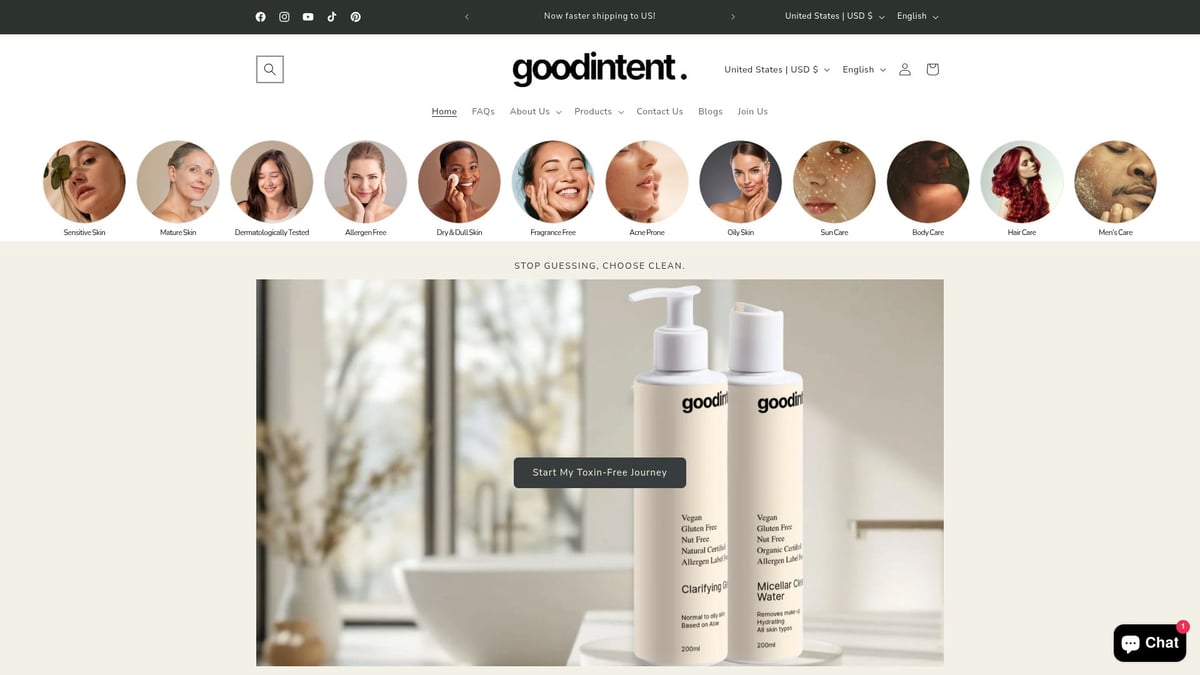
Good Intent Clean Beauty Sensitive Skin Moisturizer
If you’re hunting for the best cream for allergy skin, this vegan, COSMOS-certified moisturizer is a top pick for 2026. At $37.00, it’s formulated without allergens, fragrance, parabens, or harsh preservatives.
Features:
- Vegan, cruelty-free, and transparent ingredients
- Allergen label-free, fragrance-free
- Suitable for eczema-prone and reactive skin
Benefits:
- Deeply hydrates and soothes irritation
- Strengthens skin’s natural barrier
Target Audience: Sensitive, allergic, or fragrance-intolerant users
Pros: Toxin-free, meets strict European clean beauty standards
Cons: Premium price point
A real-life example: One user with contact dermatitis reported reduced redness and more resilient skin after consistent use. The unique selling point is its adherence to European clean beauty standards and certification. For further details on how this moisturizer benefits allergy-prone skin, check out these Sensitive Skin Moisturizer Benefits.
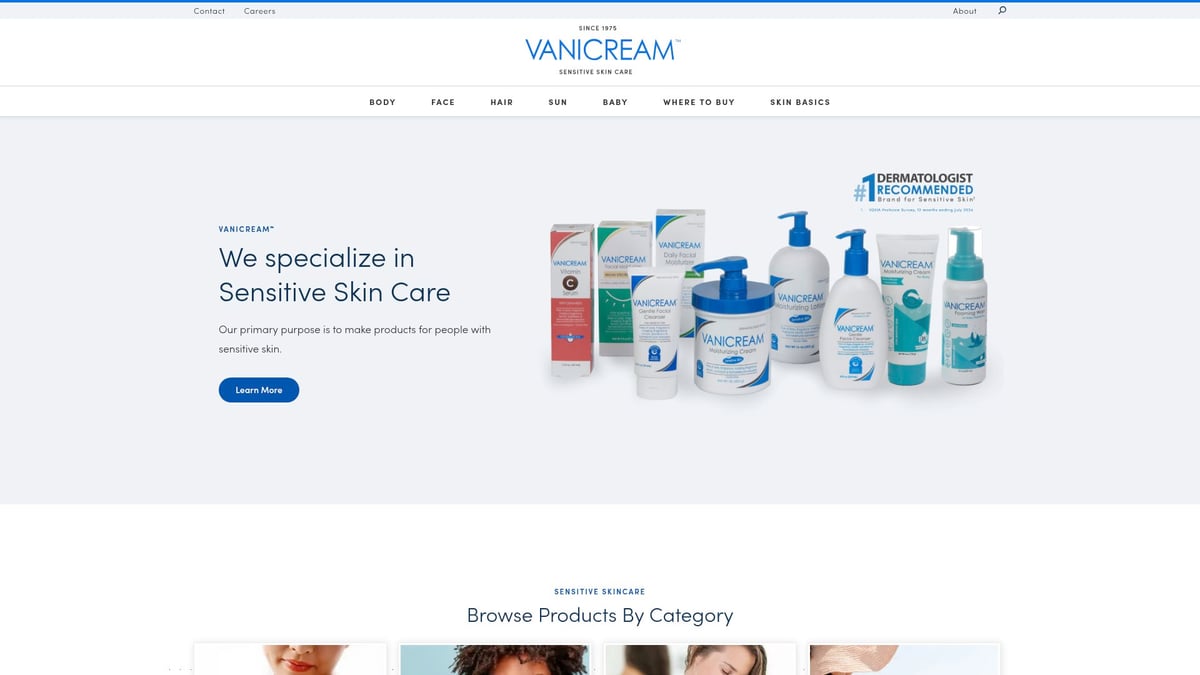
Vanicream Moisturizing Cream
Affordable and gentle, Vanicream earns its place as the best cream for allergy skin for many users. Priced around $16.00 for 16 oz, it contains no dyes, fragrance, lanolin, parabens, or formaldehyde.
Features:
- Free from most common irritants
- Dermatologist-recommended
Benefits:
- Non-greasy, absorbs quickly
- Relieves eczema and chronic dryness
Target Audience: Eczema, psoriasis, and allergy-prone individuals
Pros: Budget-friendly, widely available, minimal ingredients
Cons: Basic formula, lacks botanicals
A user with chronic eczema shared that switching to Vanicream brought relief and fewer flare-ups. Its simplicity and focus on sensitive skin make it a staple for allergy sufferers.
La Roche-Posay Lipikar Balm AP+M
When searching for the best cream for allergy skin, this French pharmacy classic stands out. At $19.99 for 13.52 oz, it combines prebiotic thermal water, shea butter, and niacinamide for intense nourishment.
Features:
- Restores skin barrier
- Relieves itching
Benefits:
- Suitable for atopic dermatitis and extremely dry skin
- Clinically tested for adults and children
Target Audience: Atopic dermatitis, extremely dry, or allergic skin
Pros: Clinically proven, safe for families
Cons: Contains mineral oil
A parent noticed their child’s flare-ups reduced dramatically after incorporating this balm into their routine. Its prebiotic formula supports a healthy skin microbiome and lasting comfort.
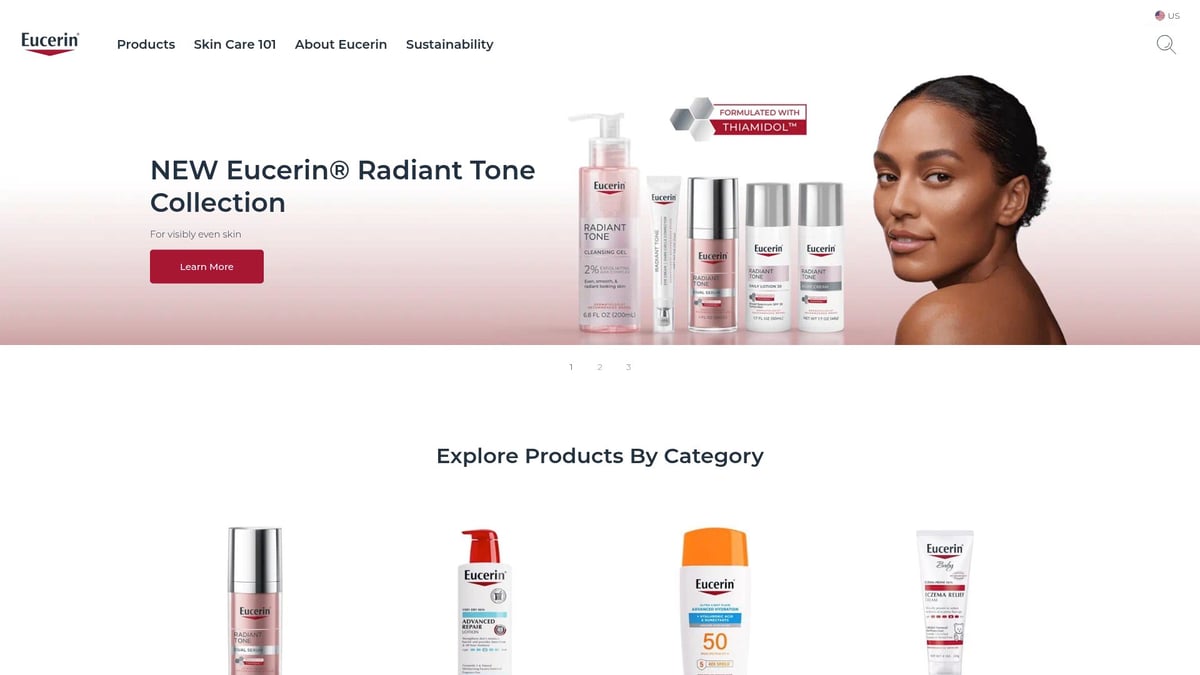
Eucerin Advanced Repair Cream
Eucerin Advanced Repair Cream is a budget-friendly, dermatologist-recommended option for those seeking the best cream for allergy skin. It costs about $12.00 for a generous 16 oz tub.
Features:
- Contains ceramides and urea
- Fragrance-free
Benefits:
- Intense hydration for rough patches
- Repairs and soothes dry, irritated skin
Target Audience: Dry, allergy-prone, or sensitive skin
Pros: Affordable, effective, dermatologist-trusted
Cons: Thicker texture, may feel heavy in hot climates
A gym-goer with allergy-prone skin experienced lasting relief from stubborn dryness. The formula’s simplicity makes it a reliable daily moisturizer.
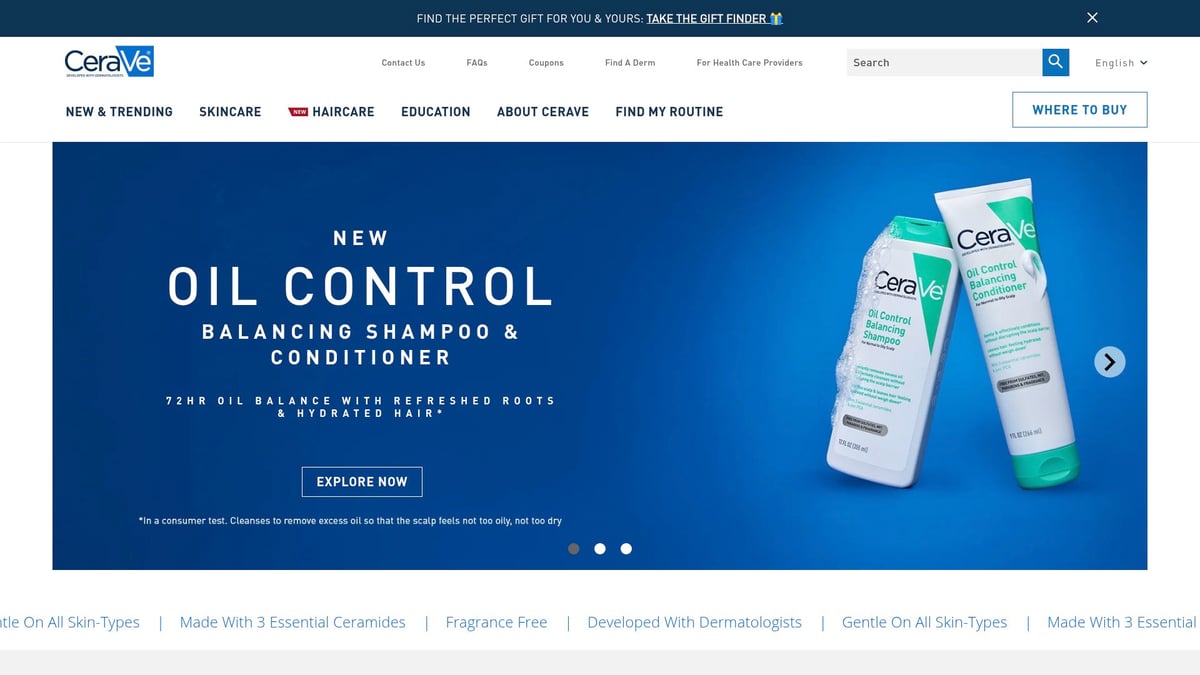
CeraVe Moisturizing Cream
CeraVe earns a spot as the best cream for allergy skin due to its barrier-restoring ceramides and hyaluronic acid. It’s fragrance-free and non-comedogenic, priced around $18.00 for 19 oz.
Features:
- Ceramides and hyaluronic acid
- Fragrance-free
Benefits:
- Restores and protects skin
- Suitable for sensitive, eczema, and allergy-prone skin
Target Audience: Eczema, sensitive, allergy-prone users
Pros: Widely recommended, affordable
Cons: Not fully natural, contains some synthetics
A yoga instructor with allergies found smoother, less reactive skin after switching to CeraVe, highlighting its reliable, dermatologist-recommended formula.
Aveeno Eczema Therapy Daily Moisturizing Cream
Aveeno’s eczema therapy cream is often cited as the best cream for allergy skin, especially for those needing gentle, everyday relief. It’s about $13.00 for 12 oz and features colloidal oatmeal.
Features:
- Colloidal oatmeal, steroid-free
- Fragrance-free
Benefits:
- Calms irritation, soothes itching
- Pediatrician-recommended
Target Audience: Eczema, allergy-prone, sensitive skin
Pros: Clinically proven, gentle for children
Cons: Contains petrolatum
A spa client struggling with allergic eczema enjoyed comfort and fewer flare-ups after using Aveeno’s formula regularly.
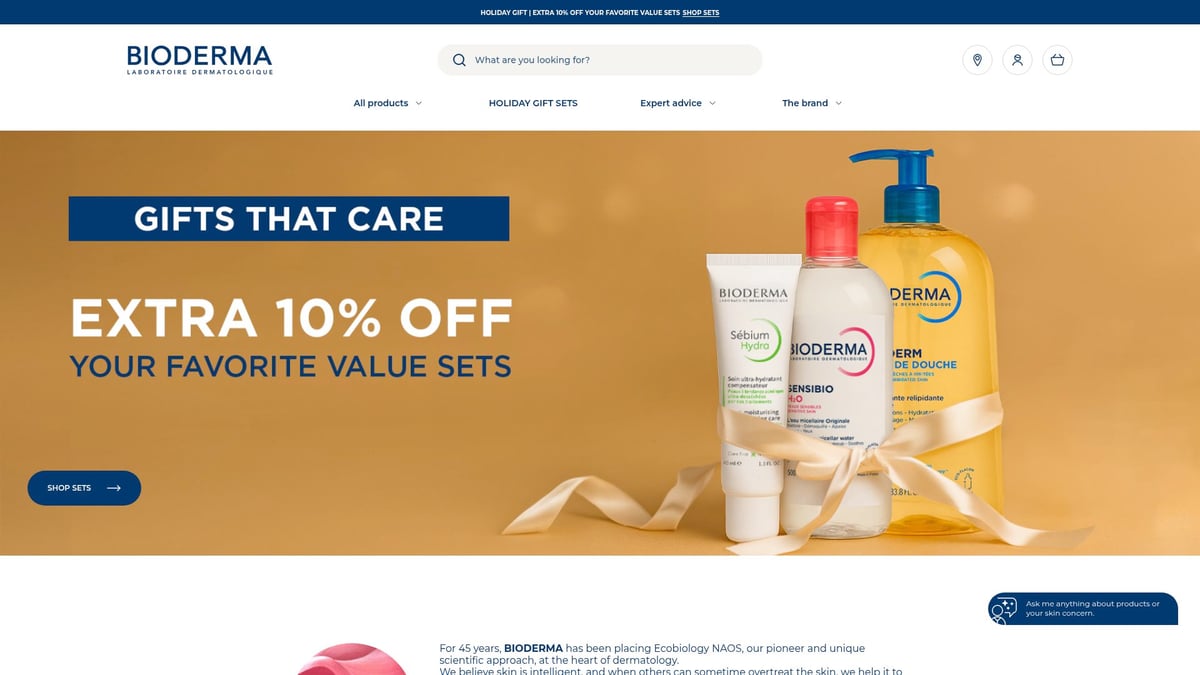
Bioderma Atoderm Intensive Baume
For those with severe dryness and allergies, Bioderma Atoderm Baume is a leading contender for best cream for allergy skin. Priced at $25.00 for 16.7 oz, it offers intensive barrier support.
Features:
- Skin Barrier Therapy, paraben-free
- Non-fragrant
Benefits:
- Relieves severe dryness and irritation
- Fast-absorbing, suitable for all ages
Target Audience: Atopic, allergic, and very dry skin
Pros: Absorbs quickly, works for the whole family
Cons: Not always easy to find in stores
An athlete with allergy-prone skin reported all-day comfort and fewer flare-ups, thanks to this rich, nourishing cream.
Allerderm Calming Cream
Allerderm Calming Cream is formulated for those needing the best cream for allergy skin with extra barrier support. At $32.00 for 4 oz, its gentle formula is dermatologist-crafted.

Features:
- Ceramides, panthenol
- Fragrance-free
Benefits:
- Reinforces skin barrier
- Reduces redness and inflammation
Target Audience: Allergic, sensitive, and reactive skin
Pros: Ultra-mild, dermatologist-formulated
Cons: Higher price per ounce
A salon professional noticed visibly reduced inflammation after regular use, praising its non-irritating, calming benefits for sensitive skin.
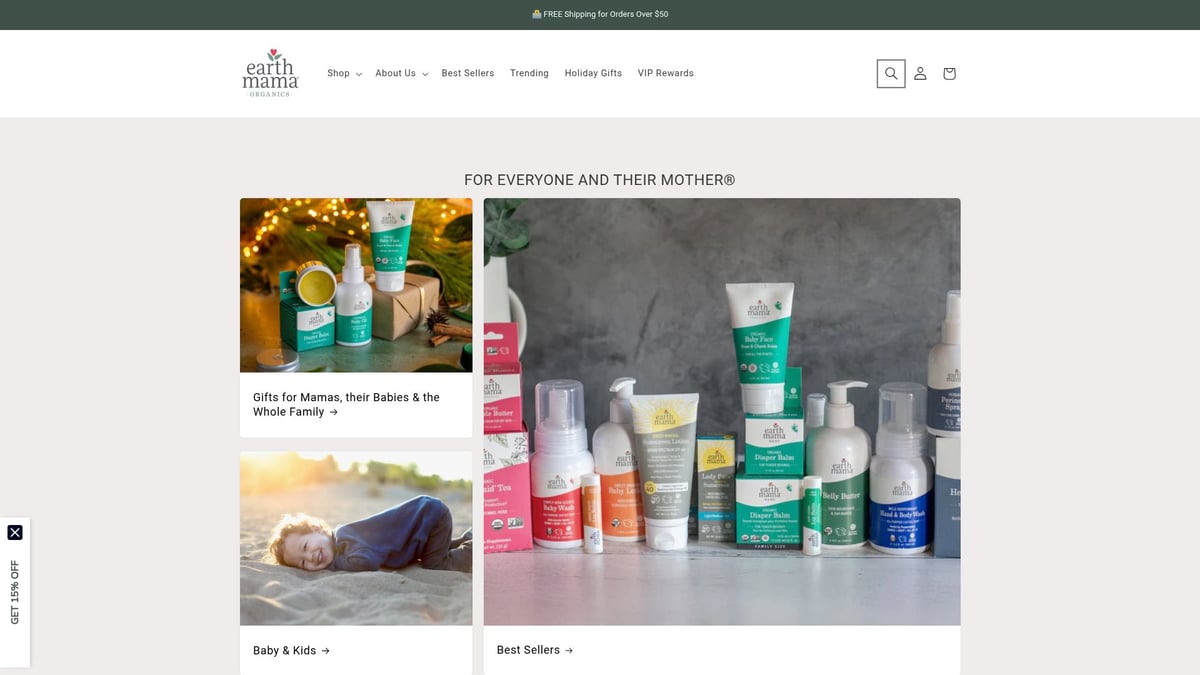
Earth Mama Eczema Cream
Earth Mama Eczema Cream rounds out our list of best cream for allergy skin, especially for families and young children. At $16.99 for 3 oz, it features organic colloidal oatmeal and shea butter.
Features:
- USDA organic
- No steroids or parabens
Benefits:
- Gentle, toxin-free relief
- Safe for babies, children, and adults
Target Audience: All ages with allergy-prone skin
Pros: Organic, cruelty-free, toxin-free
Cons: Small tube size
A parent saw rapid improvement in their allergic child’s skin, with fewer rashes and less discomfort after using this cream. Its toxin-free, plant-based formula makes it a trustworthy choice for sensitive households.
Choosing the best cream for allergy skin means prioritizing gentle, fragrance-free, and toxin-free ingredients. Each product above is carefully vetted to help you find soothing relief and lasting comfort for even the most sensitive skin.
Step-by-Step Guide: How to Choose the Best Cream for Allergy Skin
Choosing the best cream for allergy skin can feel overwhelming, especially when so many products promise relief but deliver irritation. If you’ve ever felt lost in the skincare aisle, you’re not alone. Let’s break down a clear, expert-approved process to help you find the safest, most effective solutions for your sensitive skin.
Step 1: Identify Your Triggers and Skin Needs
Start by getting to know your skin’s unique sensitivities. Keep a daily skin diary to log what products you use, when reactions happen, and any environmental changes. Did your skin flare up after trying a new cream? Did a laundry detergent leave you itchy?
Consult a dermatologist or allergist to pinpoint your personal triggers. For example, one reader noticed that every time she used creams containing lanolin, her cheeks turned red and itchy within hours. Understanding these patterns is the first step toward finding the best cream for allergy skin.
Step 2: Read Ingredient Labels Carefully
Before buying any new product, always scan the ingredient list. Look for creams that are allergen label-free and fragrance-free. Avoid common irritants like parabens, sulfates, and synthetic dyes, which are known to provoke allergic reactions and weaken the skin barrier.
Toxin-free skin care is essential for allergy-prone complexions. Choosing creams with trusted certifications, like Toxin-Free Certification for Skincare, helps ensure formulas are safe and gentle. One user resolved recurring rashes simply by switching to a toxin-free moisturizer, proving how much ingredients matter when searching for the best cream for allergy skin.
Step 3: Patch Test Before Full Application
Never skip the patch test, even with products labeled for sensitive skin. Apply a small amount of the cream to your inner arm and wait 48 hours. Watch for signs of redness, swelling, or itching.
A yoga studio client once avoided a severe breakout by patch testing a “gentle” cream before using it on her face. This small step can save you from weeks of discomfort and helps you confidently select the best cream for allergy skin.
Step 4: Monitor Results and Adjust as Needed
After you introduce a new cream, track your skin’s response over several days. Note improvements, new symptoms, or any delayed reactions. Introduce only one new product at a time, so you can easily identify what works and what doesn’t.
A gym member with allergy-prone skin found lasting relief after switching to a toxin-free moisturizer and documenting the changes. By monitoring results, you can fine-tune your routine and consistently choose the best cream for allergy skin.
Sensitive Skin Tips: Expert Advice for Daily Care
Caring for sensitive, allergy-prone skin is a daily commitment, not just a one-time fix. Small, consistent steps can help you avoid flare-ups and keep your complexion calm and comfortable. Ready to transform your routine? Here are expert strategies, real-life stories, and the science behind why they work.
Cleanse Gently and Avoid Overwashing
Sensitive skin needs a soft touch. Choose a mild, fragrance-free cleanser—harsh soaps can strip your skin’s barrier and trigger allergic reactions. Washing your face and body twice a day is enough for most people. More frequent cleansing can leave skin feeling tight, dry, and irritated.
- Use lukewarm water, not hot.
- Pat skin dry with a soft towel.
- Avoid scrubbing or using rough washcloths.
A spa-goer once shared that switching from a foaming cleanser to a gentle, non-irritating wash made all the difference. If you are searching for a gentle option, consider the Sensitive Skin Face & Body Cleanser, which is formulated without synthetic fragrances or irritants. These habits support the effectiveness of the best cream for allergy skin by reducing the risk of new reactions.
Moisturize Regularly with Toxin-Free Products
Hydration is a must for allergy-prone skin, but not all moisturizers are created equal. The best cream for allergy skin is free from synthetic fragrances, parabens, and harsh preservatives. Apply your moisturizer within three minutes of bathing to lock in moisture.
- Look for simple, plant-based formulas.
- Choose products with certifications like COSMOS or USDA Organic.
- Avoid creams with a long list of unpronounceable chemicals.
One real-life example: after switching to a vegan, toxin-free moisturizer, a client noticed her skin barrier became stronger and less reactive. Discover more about the benefits of toxin-free, gentle ingredients in the Clean Beauty Values for Sensitive Skin. This approach maximizes the benefits of the best cream for allergy skin, offering peace of mind and visible results.
Wear Protective Clothing and Avoid Triggers
Your environment can affect sensitive skin as much as your products. Soft, breathable fabrics like cotton are less likely to cause irritation. Limiting exposure to dust, pollen, and harsh detergents can significantly reduce flare-ups. Remember, even your laundry soap matters.
- Wash clothes with fragrance-free, hypoallergenic detergent.
- Change out of sweaty clothes quickly.
- Cover exposed skin when outdoors on high-pollen days.
A salon worker found that her flare-ups nearly disappeared after she switched to a gentler laundry detergent and wore loose-fitting tops. For many, these small adjustments, alongside the best cream for allergy skin, create a powerful line of defense.
Consult Professionals for Persistent Issues
Sometimes, sensitive skin needs more than self-care. If you experience severe, ongoing reactions, consult a dermatologist or allergist. They can recommend patch testing to identify triggers and suggest the best cream for allergy skin tailored to your needs.
- Don’t ignore persistent redness, swelling, or discomfort.
- Ask about allergy testing if your triggers are unclear.
- Bring a list of your current products to appointments.
A wellness studio client with stubborn rashes finally found relief after discovering a nickel allergy through professional testing. Personalized advice ensures you are using the best cream for allergy skin for your unique situation and avoids unnecessary trial and error.
Toxin-Free Skincare: Why It Matters for Allergy-Prone Skin
Navigating the world of skincare can feel like a minefield when you have allergy-prone skin. Choosing the best cream for allergy skin is not just about comfort, it is about avoiding potential triggers that could lead to flare-ups. Let us break down why toxin-free, transparent, and gentle skincare matters so much.
Disadvantages of Chemical and Synthetic Ingredients
Many mainstream creams contain chemicals like parabens, phthalates, and synthetic dyes. These ingredients are notorious for triggering allergic reactions, especially for those searching for the best cream for allergy skin. Studies have shown that synthetic fragrances are among the top allergens found in skincare.
Common chemical culprits include:
- Parabens and phthalates: linked to irritation and hormone disruption
- Formaldehyde-releasing preservatives: can cause redness and swelling
- Synthetic dyes: increase the risk of skin sensitivity
A real-life example is a user who developed contact dermatitis from a fragranced lotion. The discomfort and visible reaction made everyday life more stressful, highlighting the importance of choosing safer alternatives.
Benefits of No Synthetic Fragrances
One of the greatest benefits of using the best cream for allergy skin is the reduction of irritation risk. Synthetic fragrances are a leading source of allergic reactions, especially among children and those with sensitive skin. By choosing fragrance-free products, you are protecting your skin’s delicate barrier and reducing the likelihood of itching, redness, or swelling.
Many experts recommend avoiding scented creams altogether. According to the Atopic Dermatitis Self-Care Guidelines, fragrance-free and toxin-free products are essential for minimizing flare-ups and maintaining healthy skin.
A parent who switched to a fragrance-free cream for their child noticed a dramatic decrease in rashes and discomfort, proving that small changes can make a big difference.
Advantages of Plant-Based and Vegan Formulas
Plant-based and vegan creams are gaining popularity as the best cream for allergy skin. These formulas usually contain fewer irritants and more soothing botanicals, such as calendula, chamomile, and aloe vera. They are often cruelty-free, eco-friendly, and free of harsh chemicals.
Benefits include:
- Fewer synthetic additives
- Naturally calming ingredients
- Lower risk of allergic response
For example, an athlete with sensitive skin found relief after switching to a vegan, plant-based moisturizer. The result was fewer flare-ups, improved hydration, and peace of mind knowing the product was both gentle and ethical.
The Role of Certifications and Transparent Labeling
When shopping for the best cream for allergy skin, certifications like COSMOS or USDA Organic offer extra assurance. These seals mean the product has passed strict standards for safety and ingredient transparency.
Look for:
- Hypoallergenic labeling
- Full ingredient disclosure
- Official certifications
This transparency empowers consumers to make informed decisions. A yoga studio owner, for instance, selects only certified creams for clients, ensuring safety and reliability for everyone. When you can trust what is in your cream, caring for allergy-prone skin becomes much less stressful.
If you’ve ever felt overwhelmed searching for creams that truly understand allergy skin—especially with all the confusing labels and hidden irritants—you’re not alone. We’ve just explored some of the best expert-approved options out there, focusing on gentle, toxin-free care that really makes a difference for sensitive and reactive skin. If you’re ready to take the next step and want to see what a carefully curated, allergy-safe collection looks like, I’d love for you to Discover Good Intent. Your skin deserves that extra kindness—why not start today?


